THE ADVENTURE COLLECTIVE® · Independent discovery and booking for outdoor travel

Ride one of the world’s great train journeys from Christchurch into the heart of the Southern Alps, then step off for kea encounters, Otira Viaduct views and a hands-on sheep farm visit. This full-day tour pairs panoramic rail travel with alpine culture and easy exploration.
Ride one of the world’s great train journeys from Christchurch into the heart of the Southern Alps, then step off for kea encounters, Otira Viaduct views and a hands-on sheep farm visit. This full-day tour pairs panoramic rail travel with alpine culture and easy exploration.
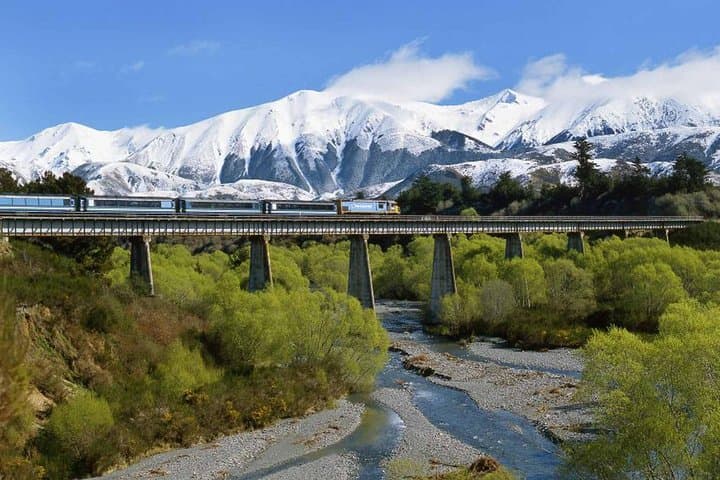
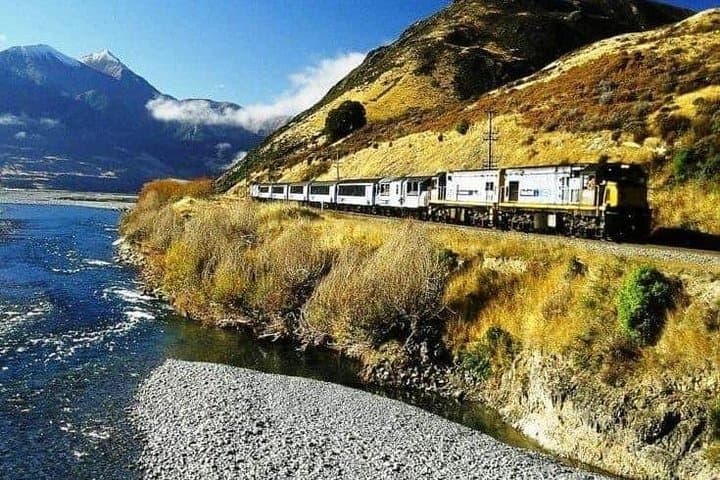
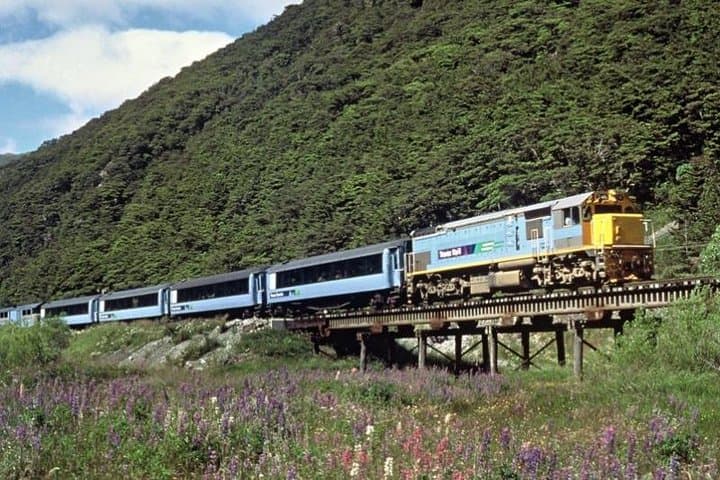
The morning air in Christchurch tastes clean and metallic as the coach slips away from the city and the low flats of the Canterbury Plains spread like a map. Windows frame dairy pastures and distant hills until the landscape tightens and the Southern Alps begin to loom—jagged teeth under a moving sky. Boarding the TranzAlpine feels like stepping into a different pace: timber carriages, big glass windows, and a slow climb that trades agricultural sweep for braided rivers, beech forest and narrow gorges.
Verified experiences and guided adventures in the surrounding area.
Operated by Leisure Tours · Arthur's Pass, Canterbury
The morning air in Christchurch tastes clean and metallic as the coach slips away from the city and the low flats of the Canterbury Plains spread like a map. Windows frame dairy pastures and distant hills until the landscape tightens and the Southern Alps begin to loom—jagged teeth under a moving sky. Boarding the TranzAlpine feels like stepping into a different pace: timber carriages, big glass windows, and a slow climb that trades agricultural sweep for braided rivers, beech forest and narrow gorges.
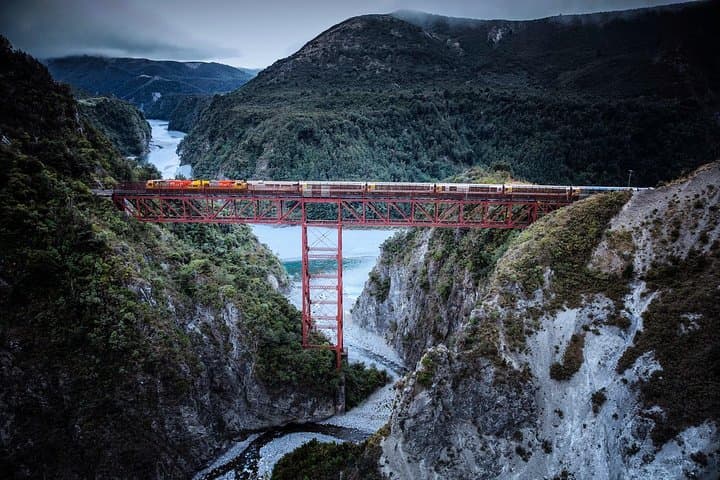
By midmorning the train crests the range and Arthur's Pass village appears at roughly 740 metres above sea level, a pocket of stone cottages and a cafe where kea—New Zealand’s bold alpine parrots—strut and investigate coffee cups with blunt curiosity. The day here is an exercise in contrasts: the engineered sweep of the 440-metre Otira Viaduct spans a steep gorge designed to withstand severe seismic forces, while nearby weathered limestone and glaciated valleys speak to millions of years of uplift and ice.
Geology is visible at arm’s length: river-carved terraces, greywacke outcrops, and pockets of rata blossom in the wetter western gullies. The route has long connected coasts and communities; the TranzAlpine itself is celebrated as one of the world’s great rail journeys, linking Christchurch to the West Coast and threading historic passes once traversed by Maori and early European high-country shepherds.
The tour balances rail romance with hands-on culture. After panoramic viewing, a coach transfers you through foothills to a working high-country sheep farm. Here a demonstration of sheepdogs and shearing slots you into a living tradition—farmers, dogs and the sheep that shaped Canterbury’s economy from the 19th century onward. Afternoon tea is served on long tables with alpine views, a direct, convivial end to a long day of travel.
Practicalities: the full experience runs about 9.5 hours from Christchurch, combining one-way rail travel and guided coach segments. The itinerary is family- and accessibility-friendly; hotel pickup is offered and the tour may operate in reverse depending on scheduling. Weather in the Southern Alps can change fast—carry layers, waterproofs and a good camera, and plan for short village walks rather than lengthy hikes unless you extend your stay.
Why go: the TranzAlpine compresses the drama of the Southern Alps into a single, manageable day—engineered marvels, alpine birdlife, and a working farm combine for a rounded taste of Canterbury high country. For travelers who want a high-altitude day trip without driving, it’s efficient, scenic, and culturally informative.
easy.
9–10 hours.
Suitable for most fitness levels; requires getting on/off train and short village walks.
The full tour lasts about 9.5 hours from Christchurch, combining the one-way TranzAlpine train segment with coach transfers and farm visit.
Yes—transport and many sites are wheelchair accessible, but contact the operator ahead to confirm specific assistance and pickup requirements.
Yes—the itinerary includes time for lunch and short walks; guides can recommend routes suited to the group's time and weather.
Children are welcome; infants must sit on an adult's lap and activities like the farm visit are family-friendly.
Expect to see kea in alpine areas and possibly tūī or bellbirds in lower beech forest; marine mammals are not part of this inland tour.
Yes—depending on scheduling the tour may run with the train segment in the opposite direction, so times can vary.
The rail corridor opened in the early 20th century linking east and west coasts; the area also holds significance for Ngāi Tahu who used mountain routes seasonally.
This region is ecologically sensitive—stay on marked paths to protect alpine vegetation and avoid feeding wildlife; tourism supports local conservation and farm economies.
Leisure Tours operates guided outdoor trips and adventures with an emphasis on safety, stewardship, and memorable experiences.
The morning air in Christchurch tastes clean and metallic as the coach slips away from the city and the low flats of the Canterbury Plains spread like a map. Windows frame dairy pastures and distant hills until the landscape tightens and the Southern Alps begin to loom—jagged teeth under a moving sky. Boarding the TranzAlpine feels like stepping into a different pace: timber carriages, big glass windows, and a slow climb that trades agricultural sweep for braided rivers, beech forest and narrow gorges.
The morning air in Christchurch tastes clean and metallic as the coach slips away from the city and the low flats of the Canterbury Plains spread like a map. Windows frame dairy pastures and distant hills until the landscape tightens and the Southern Alps begin to loom—jagged teeth under a moving sky. Boarding the TranzAlpine feels like stepping into a different pace: timber carriages, big glass windows, and a slow climb that trades agricultural sweep for braided rivers, beech forest and narrow gorges.
By midmorning the train crests the range and Arthur's Pass village appears at roughly 740 metres above sea level, a pocket of stone cottages and a cafe where kea—New Zealand’s bold alpine parrots—strut and investigate coffee cups with blunt curiosity. The day here is an exercise in contrasts: the engineered sweep of the 440-metre Otira Viaduct spans a steep gorge designed to withstand severe seismic forces, while nearby weathered limestone and glaciated valleys speak to millions of years of uplift and ice.
Geology is visible at arm’s length: river-carved terraces, greywacke outcrops, and pockets of rata blossom in the wetter western gullies. The route has long connected coasts and communities; the TranzAlpine itself is celebrated as one of the world’s great rail journeys, linking Christchurch to the West Coast and threading historic passes once traversed by Maori and early European high-country shepherds.
The tour balances rail romance with hands-on culture. After panoramic viewing, a coach transfers you through foothills to a working high-country sheep farm. Here a demonstration of sheepdogs and shearing slots you into a living tradition—farmers, dogs and the sheep that shaped Canterbury’s economy from the 19th century onward. Afternoon tea is served on long tables with alpine views, a direct, convivial end to a long day of travel.
Practicalities: the full experience runs about 9.5 hours from Christchurch, combining one-way rail travel and guided coach segments. The itinerary is family- and accessibility-friendly; hotel pickup is offered and the tour may operate in reverse depending on scheduling. Weather in the Southern Alps can change fast—carry layers, waterproofs and a good camera, and plan for short village walks rather than lengthy hikes unless you extend your stay.
Why go: the TranzAlpine compresses the drama of the Southern Alps into a single, manageable day—engineered marvels, alpine birdlife, and a working farm combine for a rounded taste of Canterbury high country. For travelers who want a high-altitude day trip without driving, it’s efficient, scenic, and culturally informative.