THE ADVENTURE COLLECTIVE® · Independent discovery and booking for outdoor travel

Step from Alanya’s sun into a cool domed hamam where steam, scrub and foam compress centuries of bathing tradition into 90 restorative minutes. Learn what to expect, how to prepare, and the cultural code behind an authentic Turkish bath.
Step from Alanya’s sun into a cool domed hamam where steam, scrub and foam compress centuries of bathing tradition into 90 restorative minutes. Learn what to expect, how to prepare, and the cultural code behind an authentic Turkish bath.
Steam rises like a slow exhale from the domed roof as you step off a sun-warmed street into cool marble and shadow. The first thing you notice is the rhythm: a distant tap, low voices, and water collecting in shallow basins. In Alanya’s hamam, the city’s heat briefly recedes and the day compresses into a focused ritual of warmth, scrub and foam.
Verified experiences and guided adventures in the surrounding area.
Operated by Tourmania · Alanya, Antalya Province
Steam rises like a slow exhale from the domed roof as you step off a sun-warmed street into cool marble and shadow. The first thing you notice is the rhythm: a distant tap, low voices, and water collecting in shallow basins. In Alanya’s hamam, the city’s heat briefly recedes and the day compresses into a focused ritual of warmth, scrub and foam.
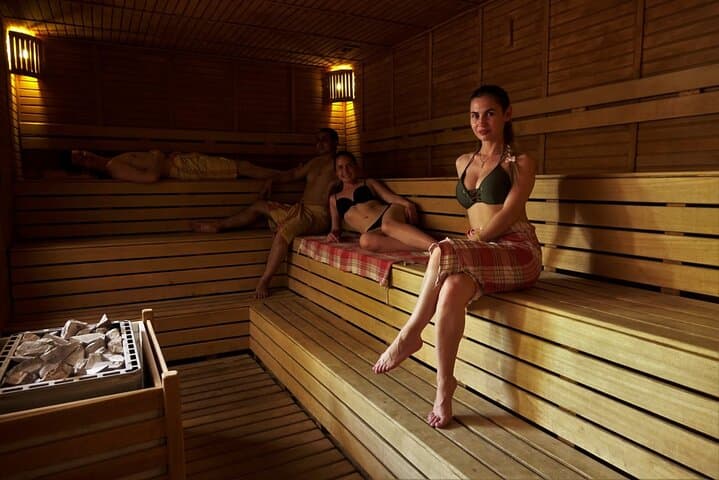
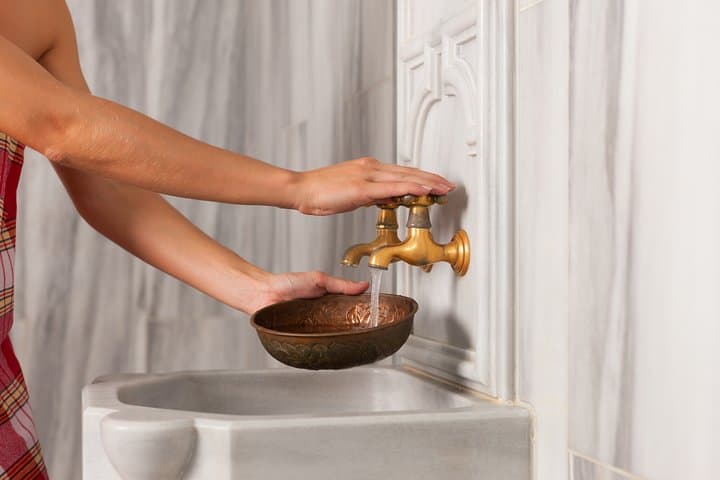
Hamams trace a long public history—Roman bathing practices were adapted by Byzantium and refined under the Ottomans into a social institution where hygiene, health and social exchange met. Architecturally, a hamam is pragmatic elegance: a heated core platform (göbek taşı) that draws sweat and opens pores, surrounded by private alcoves and marble basins fed by brisk, cold water taps. The Alanya experience leans on that lineage while serving visitors: a 90-minute session that typically includes sauna or steam, a kese (exfoliating scrub), a foam wash and an oil massage if you choose.
Geology plays a quiet role: the region’s limestone and Mediterranean climate feed underground springs and a long coastline, making thermal culture plausible here even if Alanya is better known for its beaches and red-rock castle. Culturally, the hamam remains a place of ritual — a pause from tourist bustle where locals have historically marked life events, gossiped, and reset the body.
Practical guidance: sessions last about 90 minutes and are suitable for most fitness levels, but not recommended for pregnant travelers or children under five. Book a morning slot if you want a quieter room; afternoons attract hotel groups. Most operators include towels and basic supplies, but bring flip-flops and a light change of clothes.
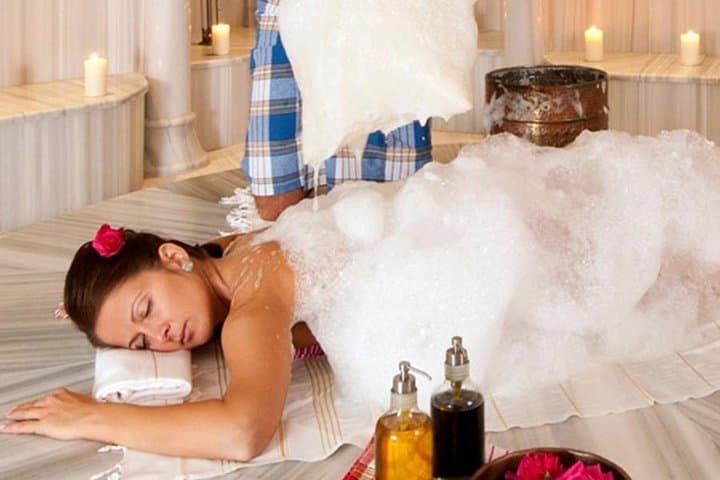
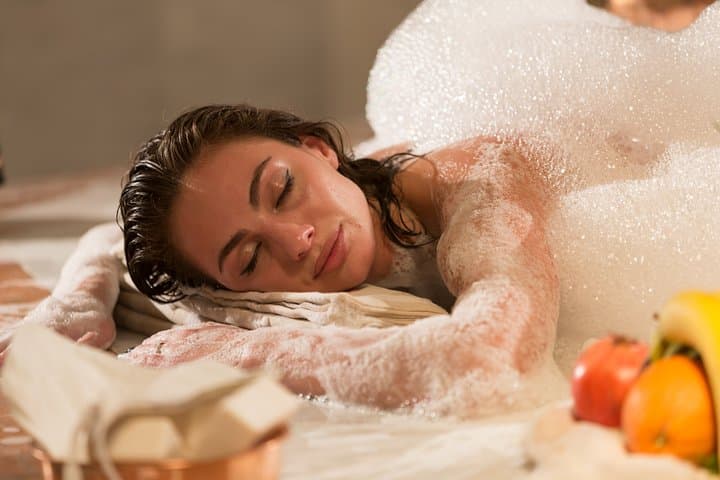
What to expect step-by-step: you’ll move from warm to hot rooms, spend 10–20 minutes on the göbek taşı sweating, then receive a vigorous kese—skin dead cells yielding to the attendant’s flat mitt. After a fragrant foam wash you’ll be led to a cooler room for rest and a refreshing sip of water. If you opt for an oil massage, allow an extra few minutes for dressing and tipping.
Etiquette and tips: modesty is respected but varies—check whether the hamam is mixed or single-sex and whether swimwear is required. Hydrate before you go, avoid heavy alcohol, and let staff know of any health conditions. Tipping around 10–15% is customary for attentive service.
A Turkish bath in Alanya is a compact cultural immersion: sensory, restorative and practical. It’s not just pampering; it’s a piece of regional continuity—an efficient way to wash, rest and recalibrate for the next coast-side walk or castle climb.
easy.
1.5 hours.
Suitable for most fitness levels; basic mobility to step onto the heated slab and move between rooms is required.
Most operators provide towels and waist wraps; check the booking details — some hamams accept swimwear, others prefer nudity with wraps in single-sex sessions.
Not recommended for pregnant travelers due to prolonged heat exposure; consult your doctor and the hamam if you have concerns.
This experience is a 90-minute session that includes steam/sauna access, a kese scrub, foam wash and an optional oil massage.
Standard bookings are shared but private or single-sex options may be available—ask the supplier when booking.
Yes — 10–15% is customary for attentive scrub and massage services; small bills are appreciated.
Not recommended for children aged 4 and under; older children may be allowed depending on the hamam’s policy and the session type.
Hamams in Turkey evolved from Roman bathing culture and became central to Ottoman social life, serving hygiene, ceremonial and communal roles.
Many local operators now emphasize water efficiency and biodegradable products; be mindful of water use and avoid excessive product waste.
Tourmania operates guided outdoor trips and adventures with an emphasis on safety, stewardship, and memorable experiences.
Steam rises like a slow exhale from the domed roof as you step off a sun-warmed street into cool marble and shadow. The first thing you notice is the rhythm: a distant tap, low voices, and water collecting in shallow basins. In Alanya’s hamam, the city’s heat briefly recedes and the day compresses into a focused ritual of warmth, scrub and foam.
Steam rises like a slow exhale from the domed roof as you step off a sun-warmed street into cool marble and shadow. The first thing you notice is the rhythm: a distant tap, low voices, and water collecting in shallow basins. In Alanya’s hamam, the city’s heat briefly recedes and the day compresses into a focused ritual of warmth, scrub and foam.
Hamams trace a long public history—Roman bathing practices were adapted by Byzantium and refined under the Ottomans into a social institution where hygiene, health and social exchange met. Architecturally, a hamam is pragmatic elegance: a heated core platform (göbek taşı) that draws sweat and opens pores, surrounded by private alcoves and marble basins fed by brisk, cold water taps. The Alanya experience leans on that lineage while serving visitors: a 90-minute session that typically includes sauna or steam, a kese (exfoliating scrub), a foam wash and an oil massage if you choose.
Geology plays a quiet role: the region’s limestone and Mediterranean climate feed underground springs and a long coastline, making thermal culture plausible here even if Alanya is better known for its beaches and red-rock castle. Culturally, the hamam remains a place of ritual — a pause from tourist bustle where locals have historically marked life events, gossiped, and reset the body.
Practical guidance: sessions last about 90 minutes and are suitable for most fitness levels, but not recommended for pregnant travelers or children under five. Book a morning slot if you want a quieter room; afternoons attract hotel groups. Most operators include towels and basic supplies, but bring flip-flops and a light change of clothes.
What to expect step-by-step: you’ll move from warm to hot rooms, spend 10–20 minutes on the göbek taşı sweating, then receive a vigorous kese—skin dead cells yielding to the attendant’s flat mitt. After a fragrant foam wash you’ll be led to a cooler room for rest and a refreshing sip of water. If you opt for an oil massage, allow an extra few minutes for dressing and tipping.
Etiquette and tips: modesty is respected but varies—check whether the hamam is mixed or single-sex and whether swimwear is required. Hydrate before you go, avoid heavy alcohol, and let staff know of any health conditions. Tipping around 10–15% is customary for attentive service.
A Turkish bath in Alanya is a compact cultural immersion: sensory, restorative and practical. It’s not just pampering; it’s a piece of regional continuity—an efficient way to wash, rest and recalibrate for the next coast-side walk or castle climb.