THE ADVENTURE COLLECTIVE® · Independent discovery and booking for outdoor travel

Spend a full day from Puntarenas aboard a catamaran or yacht to Isla Tortuga—swim turquoise water, stroll white-sand beaches, and explore a protected coastal forest. This practical day trip mixes easy snorkeling with beach time and local wildlife viewing.
Spend a full day from Puntarenas aboard a catamaran or yacht to Isla Tortuga—swim turquoise water, stroll white-sand beaches, and explore a protected coastal forest. This practical day trip mixes easy snorkeling with beach time and local wildlife viewing.
You step onto the catamaran in Puntarenas as gulls call and the harbor breeze pushes the vessel out into the Gulf of Nicoya.
The water opens to turquoise lanes; the island ahead is a low green arc—Isla Tortuga—its white sand beaches daring you to come ashore. On deck the sea smells sharp, the hull hums, and the captain lays out a day built around swimming, beach time, and short jungle walks.
Isla Tortuga (called Tolinga by local indigenous groups) sits about 12 nautical miles off Puntarenas and is part of an ecologically protected cluster of islands in Costa Rica’s Central Pacific. The island’s volcanic-origin terrain is modest—sandy shorelines backed by old lava-derived soils that support dry forest and coastal scrub. The beach has earned Costa Rica’s Ecological Blue Flag for clear water and cleanliness; seabirds and crabs move with stubborn purpose across the sand.
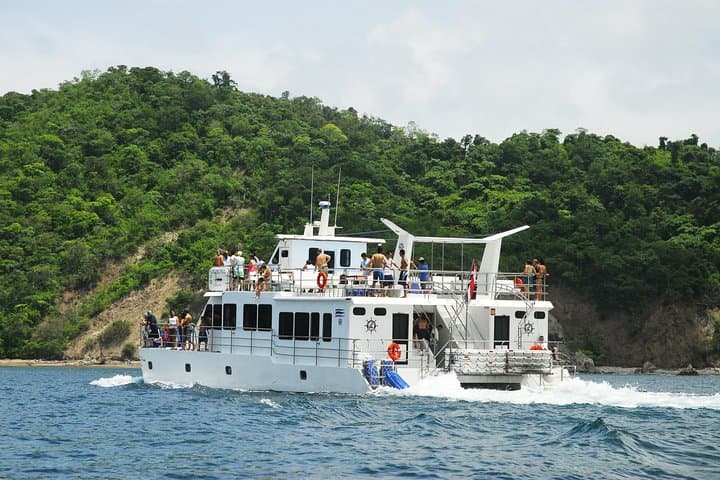
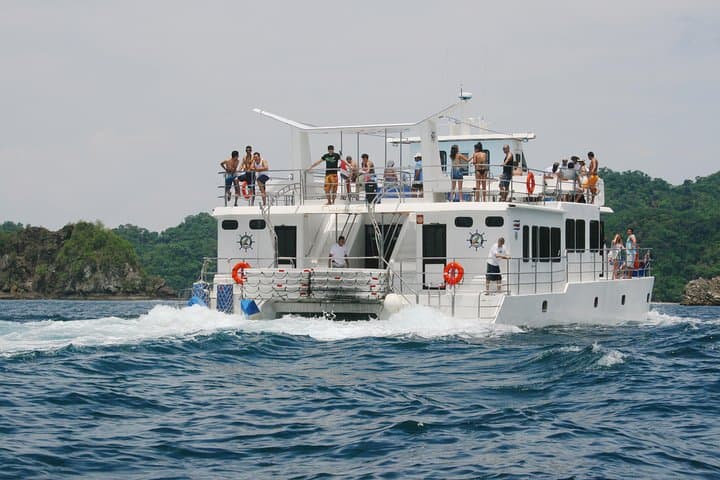
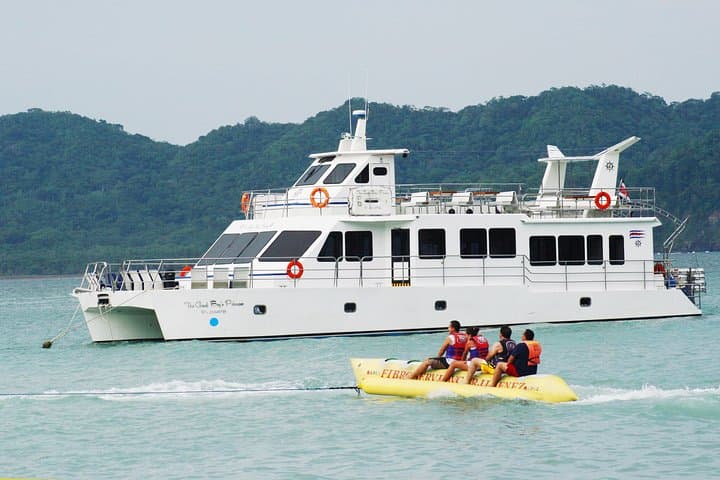
Expect a balance of relaxation and light adventure: a 3–4 hour island stop for swimming, snorkeling in shallow turquoise water, and short strolls through shaded paths. The operator commonly runs a catamaran or yacht with shaded seating, a sun prow, and an upper deck with a small jacuzzi on some boats.
Practical notes: bring reef-safe sunscreen, a reusable water bottle, and shore shoes for rocky intertidal zones. If you’re prone to motion sickness, plan ahead—early morning departures often have calmer seas. The cruise is an easy, full-day outing best for travelers who want a low-effort marine escape with a firm focus on coastal wildlife and beach time.
Verified experiences and guided adventures in the surrounding area.
Operated by Destination Services Costa Rica · Puntarenas, Puntarenas
You step onto the catamaran in Puntarenas as gulls call and the harbor breeze pushes the vessel out into the Gulf of Nicoya.
The water opens to turquoise lanes; the island ahead is a low green arc—Isla Tortuga—its white sand beaches daring you to come ashore. On deck the sea smells sharp, the hull hums, and the captain lays out a day built around swimming, beach time, and short jungle walks.
Isla Tortuga (called Tolinga by local indigenous groups) sits about 12 nautical miles off Puntarenas and is part of an ecologically protected cluster of islands in Costa Rica’s Central Pacific. The island’s volcanic-origin terrain is modest—sandy shorelines backed by old lava-derived soils that support dry forest and coastal scrub. The beach has earned Costa Rica’s Ecological Blue Flag for clear water and cleanliness; seabirds and crabs move with stubborn purpose across the sand.
Expect a balance of relaxation and light adventure: a 3–4 hour island stop for swimming, snorkeling in shallow turquoise water, and short strolls through shaded paths. The operator commonly runs a catamaran or yacht with shaded seating, a sun prow, and an upper deck with a small jacuzzi on some boats.
Practical notes: bring reef-safe sunscreen, a reusable water bottle, and shore shoes for rocky intertidal zones. If you’re prone to motion sickness, plan ahead—early morning departures often have calmer seas. The cruise is an easy, full-day outing best for travelers who want a low-effort marine escape with a firm focus on coastal wildlife and beach time.
easy.
About 14 hours (full-day).
Suitable for most fitness levels; expect short walks on sand and standing on deck for transfers
The island is about 12 nautical miles offshore; typical boat transfer time is around 1–1.5 hours each way depending on sea conditions and vessel.
Snorkeling is usually part of the stop; many tours provide basic masks and snorkels but bringing your own ensures fit and comfort—confirm with the operator ahead of time.
Most operators include lunch, snacks, and beverages—check the specific tour details for alcoholic drink policies and any special dietary accommodations.
Walks on Isla Tortuga are short and on sandy or packed dirt paths; they are generally easy but uneven in places, so mobility limitations may make some areas difficult—ask about shore access before booking.
Locally known as Tolinga, Isla Tortuga has long been part of coastal subsistence and was later recognized for conservation—contemporary protection supports tourism and local fisheries.
The island holds Ecological Blue Flag status for water quality; visitors are encouraged to avoid single-use plastics, stay on marked paths, and respect nesting birds.
Destination Services Costa Rica operates guided outdoor trips and adventures with an emphasis on safety, stewardship, and memorable experiences.
You step onto the catamaran in Puntarenas as gulls call and the harbor breeze pushes the vessel out into the Gulf of Nicoya.
The water opens to turquoise lanes; the island ahead is a low green arc—Isla Tortuga—its white sand beaches daring you to come ashore. On deck the sea smells sharp, the hull hums, and the captain lays out a day built around swimming, beach time, and short jungle walks.
Isla Tortuga (called Tolinga by local indigenous groups) sits about 12 nautical miles off Puntarenas and is part of an ecologically protected cluster of islands in Costa Rica’s Central Pacific. The island’s volcanic-origin terrain is modest—sandy shorelines backed by old lava-derived soils that support dry forest and coastal scrub. The beach has earned Costa Rica’s Ecological Blue Flag for clear water and cleanliness; seabirds and crabs move with stubborn purpose across the sand.
Expect a balance of relaxation and light adventure: a 3–4 hour island stop for swimming, snorkeling in shallow turquoise water, and short strolls through shaded paths. The operator commonly runs a catamaran or yacht with shaded seating, a sun prow, and an upper deck with a small jacuzzi on some boats.
Practical notes: bring reef-safe sunscreen, a reusable water bottle, and shore shoes for rocky intertidal zones. If you’re prone to motion sickness, plan ahead—early morning departures often have calmer seas. The cruise is an easy, full-day outing best for travelers who want a low-effort marine escape with a firm focus on coastal wildlife and beach time.
You step onto the catamaran in Puntarenas as gulls call and the harbor breeze pushes the vessel out into the Gulf of Nicoya.
The water opens to turquoise lanes; the island ahead is a low green arc—Isla Tortuga—its white sand beaches daring you to come ashore. On deck the sea smells sharp, the hull hums, and the captain lays out a day built around swimming, beach time, and short jungle walks.
Isla Tortuga (called Tolinga by local indigenous groups) sits about 12 nautical miles off Puntarenas and is part of an ecologically protected cluster of islands in Costa Rica’s Central Pacific. The island’s volcanic-origin terrain is modest—sandy shorelines backed by old lava-derived soils that support dry forest and coastal scrub. The beach has earned Costa Rica’s Ecological Blue Flag for clear water and cleanliness; seabirds and crabs move with stubborn purpose across the sand.
Expect a balance of relaxation and light adventure: a 3–4 hour island stop for swimming, snorkeling in shallow turquoise water, and short strolls through shaded paths. The operator commonly runs a catamaran or yacht with shaded seating, a sun prow, and an upper deck with a small jacuzzi on some boats.
Practical notes: bring reef-safe sunscreen, a reusable water bottle, and shore shoes for rocky intertidal zones. If you’re prone to motion sickness, plan ahead—early morning departures often have calmer seas. The cruise is an easy, full-day outing best for travelers who want a low-effort marine escape with a firm focus on coastal wildlife and beach time.