THE ADVENTURE COLLECTIVE® · Independent discovery and booking for outdoor travel

Dress in a traditional samurai outfit, learn basic sword etiquette and stage combat from professional performers, then pose for photos in a one-hour, hands-on class in central Tokyo.
Dress in a traditional samurai outfit, learn basic sword etiquette and stage combat from professional performers, then pose for photos in a one-hour, hands-on class in central Tokyo.
A single dojo light washes over lacquered wooden floors as participants step into clipped silence — the city’s hum fades and a focused ritual begins. In a compact studio in Tokyo, guests are fitted into samurai attire, shown how a kimono is secured, and introduced to measured, practiced movements that prioritize respect as much as technique.
Verified experiences and guided adventures in the surrounding area.
Operated by SAMURAI EXPERIENCE in Tokyo【SAMURAI've】 · Tokyo, Tokyo
A single dojo light washes over lacquered wooden floors as participants step into clipped silence — the city’s hum fades and a focused ritual begins. In a compact studio in Tokyo, guests are fitted into samurai attire, shown how a kimono is secured, and introduced to measured, practiced movements that prioritize respect as much as technique.
The experience pulls from Japan’s Edo-period martial culture: sword etiquette, posture, and kata (set movements) that were refined when Tokyo was Edo, a political center where samurai shaped law and display. Tokyo’s geology — reclaimed bays and flat river plains — allowed dense urban development that concentrated theatres and training halls; these modern studios continue that urban lineage of performance and discipline.
Culturally, the session balances theatrical showmanship with basics of tate (stage combat) and etiquette taught by professional performers. Participants should expect a short history primer, instruction in manners and footwork, a basic sword-handling lesson with a safe metal practice katana, and a choreographed tachimawari (paired drill) concluding with a photoshoot.
Practical guidance: arrive 10–15 minutes early for dressing and briefing; wear comfortable, easy-to-remove layers and closed-toe shoes. Mention any mobility or health restrictions when booking — the session includes quick, dynamic movements and some kneeling. Photography is included but be prepared for indoor lighting and limited space. The activity suits most fitness levels but requires attention to instruction and basic balance. For visitors wanting deeper context, pair this session with a visit to a local samurai museum or Edo-period district to round out the cultural picture.
easy.
1 hour.
Suitable for most fitness levels; participants should have basic mobility, balance, and the ability to kneel and stand quickly.
No strict age limit is listed, but please check with the operator if booking for young children — adult supervision and suitability are assessed on arrival.
No — the studio provides practice metal katanas and costumes for safety and consistency; outside weapons are not permitted.
It’s not recommended for those with spinal, heart, or pregnancy concerns; disclose any conditions when booking so staff can advise.
Sessions cater to international guests and are typically presented with basic English explanations; confirm language needs when booking for larger groups.
The samurai class shaped Edo (now Tokyo) during the Tokugawa period; modern performances draw on theater and stage combat traditions developed from training schools and kabuki choreography.
Operators emphasize respectful handling of costumes and metal practice swords; support venues that maintain costume care and minimize waste from single-use props.
SAMURAI EXPERIENCE in Tokyo【SAMURAI've】 operates guided outdoor trips and adventures with an emphasis on safety, stewardship, and memorable experiences.
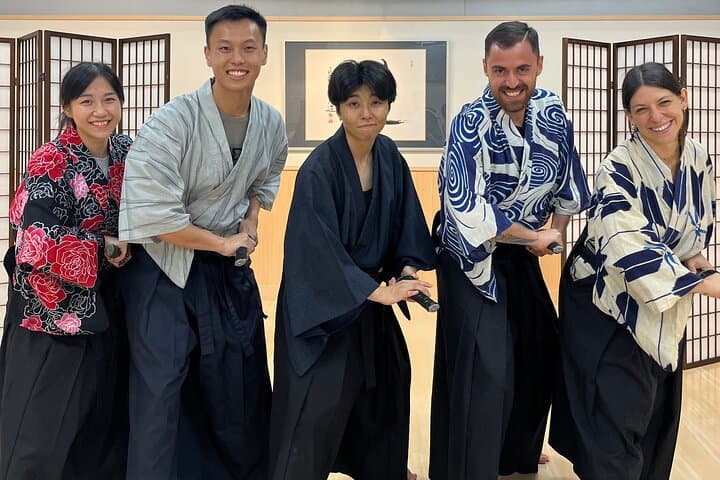
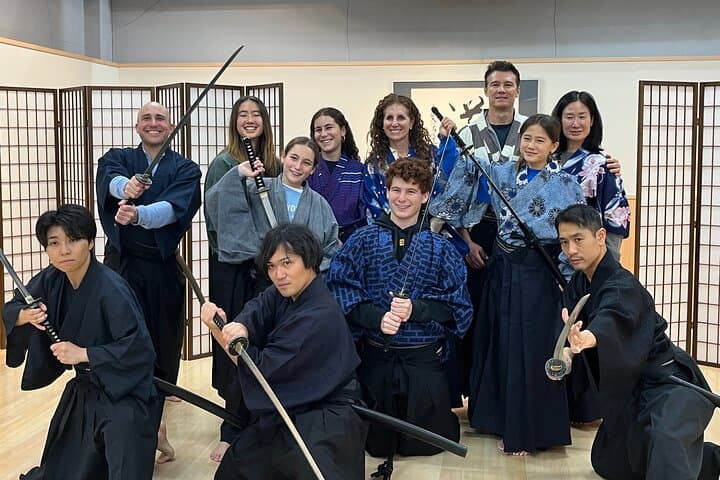
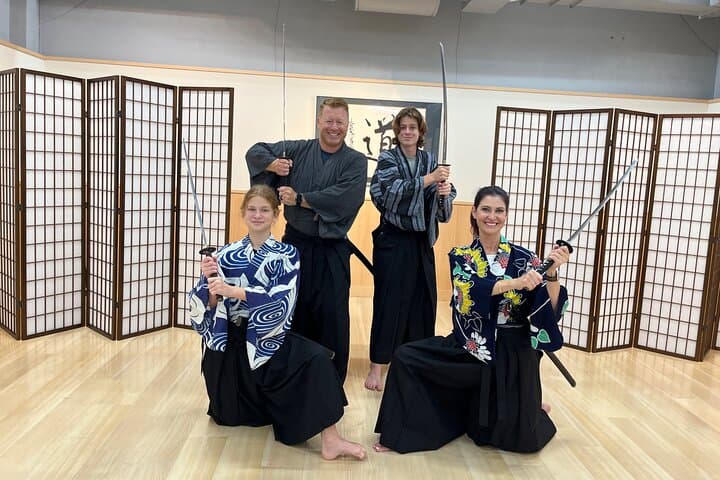
A single dojo light washes over lacquered wooden floors as participants step into clipped silence — the city’s hum fades and a focused ritual begins. In a compact studio in Tokyo, guests are fitted into samurai attire, shown how a kimono is secured, and introduced to measured, practiced movements that prioritize respect as much as technique.
A single dojo light washes over lacquered wooden floors as participants step into clipped silence — the city’s hum fades and a focused ritual begins. In a compact studio in Tokyo, guests are fitted into samurai attire, shown how a kimono is secured, and introduced to measured, practiced movements that prioritize respect as much as technique.
The experience pulls from Japan’s Edo-period martial culture: sword etiquette, posture, and kata (set movements) that were refined when Tokyo was Edo, a political center where samurai shaped law and display. Tokyo’s geology — reclaimed bays and flat river plains — allowed dense urban development that concentrated theatres and training halls; these modern studios continue that urban lineage of performance and discipline.
Culturally, the session balances theatrical showmanship with basics of tate (stage combat) and etiquette taught by professional performers. Participants should expect a short history primer, instruction in manners and footwork, a basic sword-handling lesson with a safe metal practice katana, and a choreographed tachimawari (paired drill) concluding with a photoshoot.
Practical guidance: arrive 10–15 minutes early for dressing and briefing; wear comfortable, easy-to-remove layers and closed-toe shoes. Mention any mobility or health restrictions when booking — the session includes quick, dynamic movements and some kneeling. Photography is included but be prepared for indoor lighting and limited space. The activity suits most fitness levels but requires attention to instruction and basic balance. For visitors wanting deeper context, pair this session with a visit to a local samurai museum or Edo-period district to round out the cultural picture.