THE ADVENTURE COLLECTIVE® · Independent discovery and booking for outdoor travel

Cover Croatia and Slovenia in three high-impact days: Zagreb’s historic streets, the cascading travertine tiers of Plitvice Lakes, and Slovenia’s Lake Bled and Ljubljana—all with skip-the-line access and private transport. A compact, guided route that maximizes scenery and minimizes logistics.
Cover Croatia and Slovenia in three high-impact days: Zagreb’s historic streets, the cascading travertine tiers of Plitvice Lakes, and Slovenia’s Lake Bled and Ljubljana—all with skip-the-line access and private transport. A compact, guided route that maximizes scenery and minimizes logistics.
Morning light hits Ban Jelačić Square and the city hums awake: tram bells, espresso steam, and a guide tapping a tablet to confirm the day’s route. On this three-day private loop from Zagreb, the itinerary compresses centuries and landscapes—urban baroque and Austro-Hungarian streets give way to the spray of waterfalls, then to Slovenia’s alpine mirrors—so you move from city grit to glacial clarity without unpacking more than a day pack.
Verified experiences and guided adventures in the surrounding area.
Operated by Zico Tours · Zagreb, Zagreb County
Morning light hits Ban Jelačić Square and the city hums awake: tram bells, espresso steam, and a guide tapping a tablet to confirm the day’s route. On this three-day private loop from Zagreb, the itinerary compresses centuries and landscapes—urban baroque and Austro-Hungarian streets give way to the spray of waterfalls, then to Slovenia’s alpine mirrors—so you move from city grit to glacial clarity without unpacking more than a day pack.
Day one is Zagreb’s compact story: the Cathedral’s twin spires, the zigzag of Upper Town streets, and the open-air markets where locals still haggle over seasonal produce. The guide skims historical notes—Zagreb’s 19th-century urban reforms, the wartime scars, and Plečnik’s quieter influence—so the city reads like a living map rather than a list of sights.
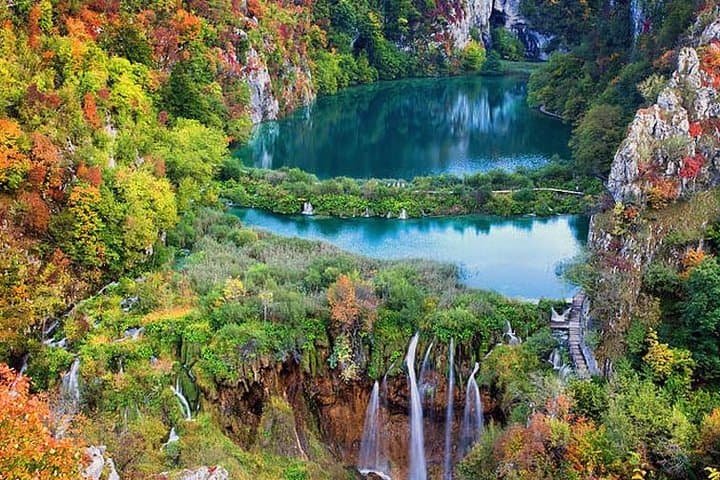
Day two shifts to geology and chemistry. Plitvice Lakes National Park is not theater but slow engineering: travertine terraces built by mineral deposition, where limestone-laden water sews new cascades year by year. Wooden boardwalks skirt the lakes, the electric boat hums across Lake Kozjak, and the Veliki Slap drops 78 meters with a presence that makes conversation hush. The paths are well-signed; the landscape actively changes with each season—spring runoff rips faster, late summer lowers some channels, and autumn leaves accentuate the turquoise pools.
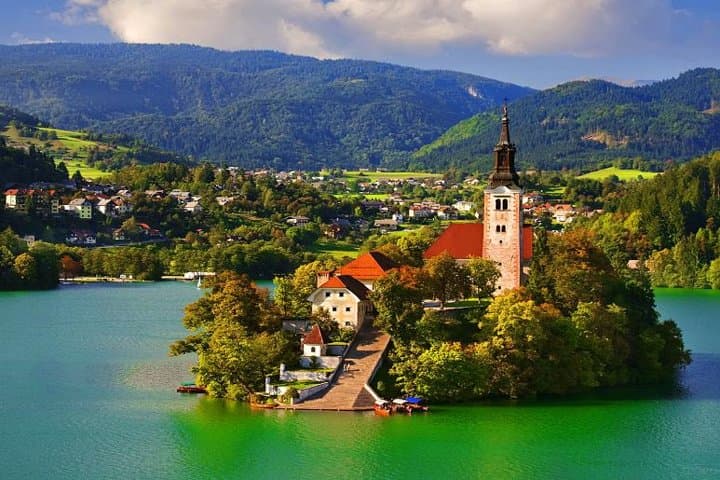
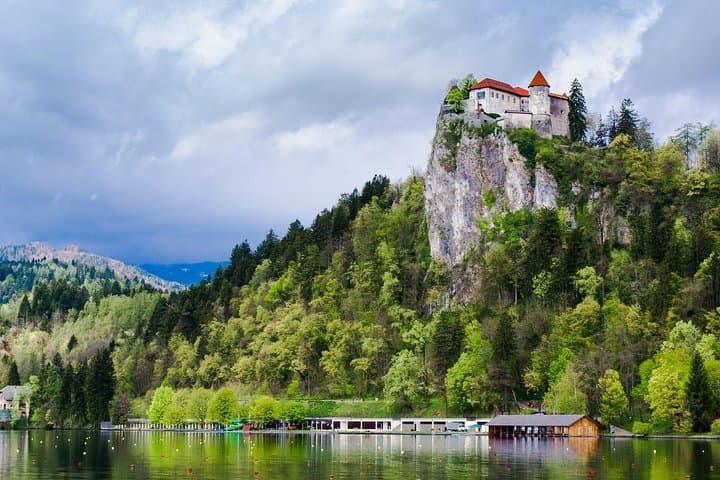
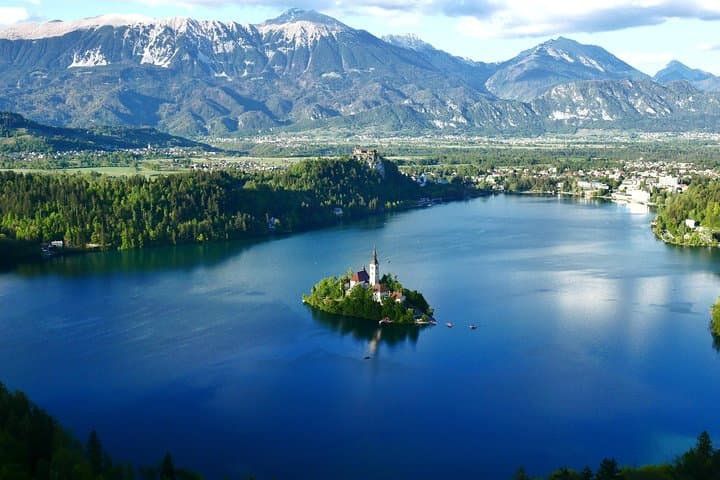
Day three crosses a border and a scale shift. Lake Bled’s island church and medieval castle perch like punctuation on an alpine sentence, while Ljubljana compresses small-city charm into a riverside loop of Plečnik bridges, market stalls, and a funicular up to the old castle. Along the way, cultural notes—kremšnita pastries, pletna boats, and Slovenian myths—turn scenic stops into local rituals.
Practical guidance: the tour runs over three full days with comfortable transport and skip-the-line access at Plitvice and Bled. The Plitvice day includes roughly 4 hours of walking on mixed terrain and boardwalks—expect uneven surfaces and occasional steps; bring waterproof footwear if visiting in shoulder seasons. Public transport is available in Zagreb, but this private tour’s door-to-door pickup and drop-off saves time. Pack layers for alpine afternoons, a refillable water bottle, and a camera with a polarizing filter to tame glare on the lakes.
This is a travel package built for photographers, history-minded hikers, and anyone who wants efficient access to Croatia’s and Slovenia’s headline landscapes without the logistics hassle. It’s paced to leave room for lingering—an espresso on a Ljubljana bridge, a pause at a lookout above Bled—while covering ground that would otherwise take days to coordinate independently.
moderate.
3 days (full days).
Suitable for travelers in average fitness; expect 3–5 hours of walking on the Plitvice day with stairs and uneven boardwalks.
Yes—skip-the-line admission to Plitvice Lakes is included as part of the tour.
Yes—this tour crosses from Croatia into Slovenia, so bring your passport and any required travel documents.
Expect about 3–5 hours of walking on day two at Plitvice, mostly on boardwalks and trails with some steps; city days involve shorter walking loops.
This is a private tour so the guide can often adjust pacing and focus within the time available—request preferences at booking.
Bottled water is provided; meals aren’t listed as included, but the guide can recommend local restaurants and rest stops along the route.
Door-to-door pickup is provided; you can leave main luggage at your Zagreb hotel while the tour runs as a day-by-day loop.
Zagreb’s urban form reflects Austro-Hungarian planning and later Croatian national revival, while Bled and Ljubljana carry centuries of Alpine and Illyrian cultural influences.
Plitvice is a protected UNESCO site with strict path and waste rules—stay on boardwalks and avoid feeding wildlife to support ongoing conservation.
Zico Tours operates guided outdoor trips and adventures with an emphasis on safety, stewardship, and memorable experiences.
Morning light hits Ban Jelačić Square and the city hums awake: tram bells, espresso steam, and a guide tapping a tablet to confirm the day’s route. On this three-day private loop from Zagreb, the itinerary compresses centuries and landscapes—urban baroque and Austro-Hungarian streets give way to the spray of waterfalls, then to Slovenia’s alpine mirrors—so you move from city grit to glacial clarity without unpacking more than a day pack.
Morning light hits Ban Jelačić Square and the city hums awake: tram bells, espresso steam, and a guide tapping a tablet to confirm the day’s route. On this three-day private loop from Zagreb, the itinerary compresses centuries and landscapes—urban baroque and Austro-Hungarian streets give way to the spray of waterfalls, then to Slovenia’s alpine mirrors—so you move from city grit to glacial clarity without unpacking more than a day pack.
Day one is Zagreb’s compact story: the Cathedral’s twin spires, the zigzag of Upper Town streets, and the open-air markets where locals still haggle over seasonal produce. The guide skims historical notes—Zagreb’s 19th-century urban reforms, the wartime scars, and Plečnik’s quieter influence—so the city reads like a living map rather than a list of sights.
Day two shifts to geology and chemistry. Plitvice Lakes National Park is not theater but slow engineering: travertine terraces built by mineral deposition, where limestone-laden water sews new cascades year by year. Wooden boardwalks skirt the lakes, the electric boat hums across Lake Kozjak, and the Veliki Slap drops 78 meters with a presence that makes conversation hush. The paths are well-signed; the landscape actively changes with each season—spring runoff rips faster, late summer lowers some channels, and autumn leaves accentuate the turquoise pools.
Day three crosses a border and a scale shift. Lake Bled’s island church and medieval castle perch like punctuation on an alpine sentence, while Ljubljana compresses small-city charm into a riverside loop of Plečnik bridges, market stalls, and a funicular up to the old castle. Along the way, cultural notes—kremšnita pastries, pletna boats, and Slovenian myths—turn scenic stops into local rituals.
Practical guidance: the tour runs over three full days with comfortable transport and skip-the-line access at Plitvice and Bled. The Plitvice day includes roughly 4 hours of walking on mixed terrain and boardwalks—expect uneven surfaces and occasional steps; bring waterproof footwear if visiting in shoulder seasons. Public transport is available in Zagreb, but this private tour’s door-to-door pickup and drop-off saves time. Pack layers for alpine afternoons, a refillable water bottle, and a camera with a polarizing filter to tame glare on the lakes.
This is a travel package built for photographers, history-minded hikers, and anyone who wants efficient access to Croatia’s and Slovenia’s headline landscapes without the logistics hassle. It’s paced to leave room for lingering—an espresso on a Ljubljana bridge, a pause at a lookout above Bled—while covering ground that would otherwise take days to coordinate independently.