THE ADVENTURE COLLECTIVE® · Independent discovery and booking for outdoor travel

A private three-day loop from Cape Town that pairs Table Mountain panoramas, Robben Island history, scenic Chapman’s Peak, and curated tastings in Stellenbosch and Franschhoek. Ideal for travelers who want guided access to the region’s geology, culture, and best vineyards without logistical fuss.
A private three-day loop from Cape Town that pairs Table Mountain panoramas, Robben Island history, scenic Chapman’s Peak, and curated tastings in Stellenbosch and Franschhoek. Ideal for travelers who want guided access to the region’s geology, culture, and best vineyards without logistical fuss.
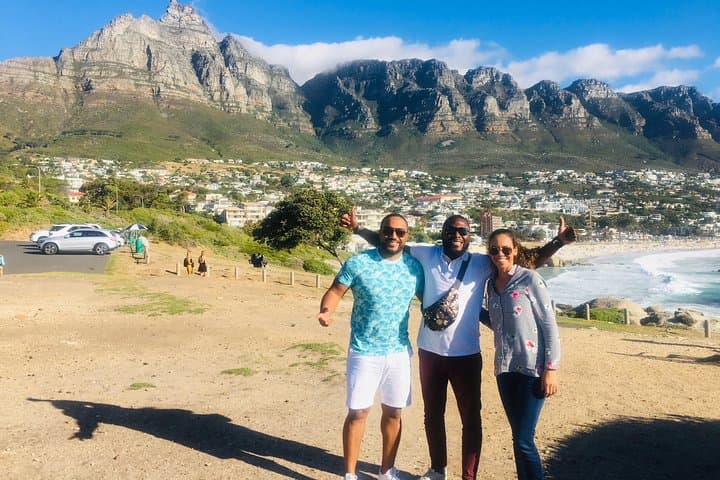
The van peels away from the city at dawn and Cape Town unfurls like a map come alive: flat-topped Table Mountain holding court to the east, the Atlantic catching light along Chapman’s Peak, and vineyards sliding into the valley like rows of quiet sentries. On a three-day private tour with a local guide, these are not postcard stops but scenes you move through—walking the cableway platform, smelling sea spray at Hout Bay, tasting a tannin-heavy red in Stellenbosch.
Verified experiences and guided adventures in the surrounding area.
Operated by Zion Escape Tours and Travels · Cape Town, Western Cape
The van peels away from the city at dawn and Cape Town unfurls like a map come alive: flat-topped Table Mountain holding court to the east, the Atlantic catching light along Chapman’s Peak, and vineyards sliding into the valley like rows of quiet sentries. On a three-day private tour with a local guide, these are not postcard stops but scenes you move through—walking the cableway platform, smelling sea spray at Hout Bay, tasting a tannin-heavy red in Stellenbosch.
Day one frames Cape Town’s layered story: Dutch and British colonial architecture, the bright houses of Bo-Kaap where freed slaves and exiles from Southeast Asia left an enduring cultural mark, and the cable car that climbs Table Mountain’s sandstone crown. Geology here is blunt and honest—ancient quartzitic sandstones formed over hundreds of millions of years, carved by wind and rain into the flat plateau that now dares photographers to capture its scale.
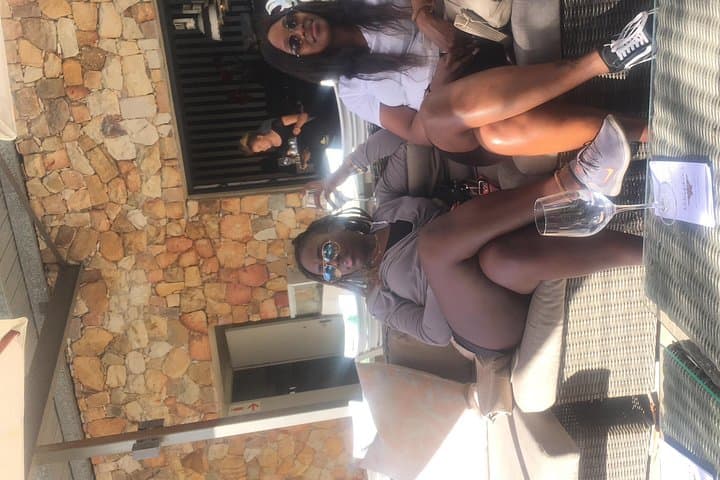
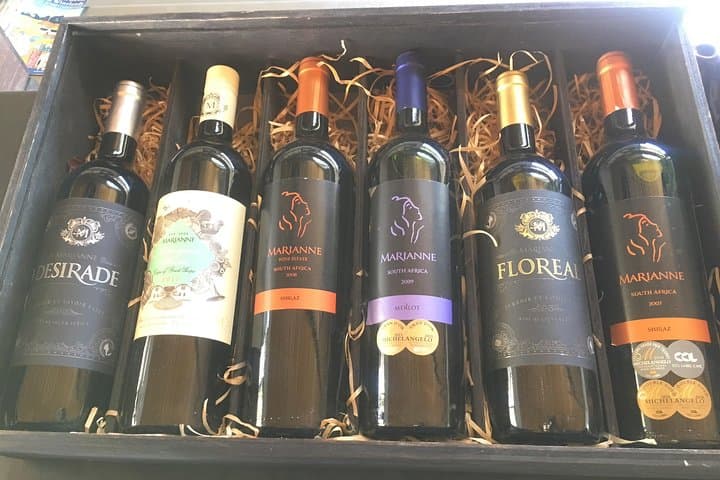
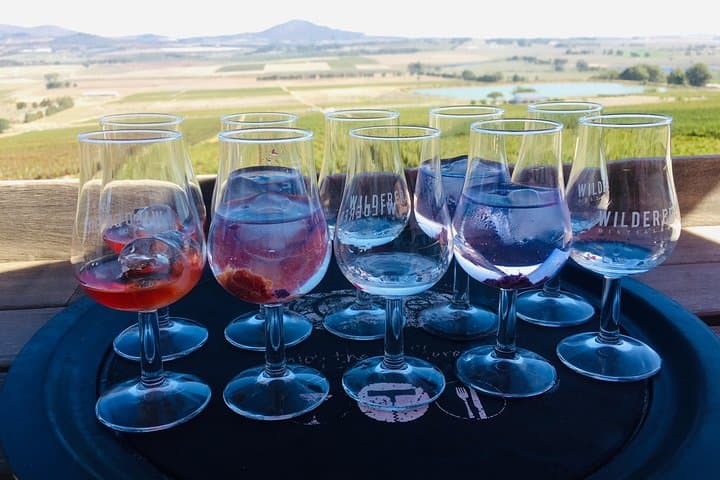
The second day trades salt for soil. The Cape Winelands—Franschhoek and Stellenbosch—are sun-warmed amphitheaters where grapes read the climate closely. Estates like Babylonstoren and La Motte pair Cape Dutch architecture with deliberate viticulture: low-intervention wine, terraced gardens, and cellars that put terroir at center stage. Lunch in Franschhoek is a study in culinary craft; small-town streets hum with French Huguenot heritage threaded into Afrikaans culture.
Day three opens wide on the peninsula. Chapman's Peak Drive tumbles with cinematic curves and seascapes, seals bob in Hout Bay, and Cape Point rises where two oceans are said to meet. The Atlantic here has attitude—currents and wind that both sculpt the coast and test the nerves of sailors. Boulders Beach offers something softer: a colony of African penguins waddling between granite boulders and white sand.
Practicalities are simple but matter. This is a private tour with hotel pickup, a professional guide, and most entrance fees and tastings included; Robben Island is optional but best booked early. Wear sturdy walking shoes and layers—the city can flip from warm sun to wind-swept cold in an hour. Bring sunscreen, a refillable water bottle, and a camera with a wide lens for landscapes; a telephoto helps for penguins and seals.
For travelers who want access without planning friction, this three-day loop delivers natural spectacle, historical context, and curated wine experiences. It moves at a steady pace—enough time to step out of the van and into the places that make the Cape compelling, while leaving space for the small discoveries a local guide can reveal.
easy.
3 days.
Minimal fitness required—comfortable walking for short periods, ability to board a cable car and short funicular rides.
Yes—transport and the itinerary are accessible, with hotel pickup and drop-off, short walks, and optional activities; inform the supplier about mobility needs when booking.
Most fees listed—Table Mountain tickets, some wine tastings, Cape Point and Penguin Colony fees—are included; Robben Island ferry is optional and may be an extra charge depending on selection.
Cancellations made 6 or more full days before departure receive a full refund; 2–6 days receive 50%; within 2 days there is no refund.
This private tour has a minimum of three people as specified by the operator.
Yes—guides typically tailor tastings to preferences; mention favorite varietals or estate styles when booking to optimize stops.
Layers and sturdy shoes—it can be windy and cool on the island and mountain plateau; bring sun protection and a warm mid-layer.
Bo-Kaap reflects 18th–19th century Cape settlement by freed slaves and exiles from the Indonesian archipelago; Robben Island holds the prison where Nelson Mandela and others were held during apartheid.
The Cape Floral Region is a UNESCO World Heritage Site; respect MPA rules along the coast and stick to boardwalks to protect fynbos and penguin habitat.
Zion Escape Tours and Travels operates guided outdoor trips and adventures with an emphasis on safety, stewardship, and memorable experiences.
The van peels away from the city at dawn and Cape Town unfurls like a map come alive: flat-topped Table Mountain holding court to the east, the Atlantic catching light along Chapman’s Peak, and vineyards sliding into the valley like rows of quiet sentries. On a three-day private tour with a local guide, these are not postcard stops but scenes you move through—walking the cableway platform, smelling sea spray at Hout Bay, tasting a tannin-heavy red in Stellenbosch.
The van peels away from the city at dawn and Cape Town unfurls like a map come alive: flat-topped Table Mountain holding court to the east, the Atlantic catching light along Chapman’s Peak, and vineyards sliding into the valley like rows of quiet sentries. On a three-day private tour with a local guide, these are not postcard stops but scenes you move through—walking the cableway platform, smelling sea spray at Hout Bay, tasting a tannin-heavy red in Stellenbosch.
Day one frames Cape Town’s layered story: Dutch and British colonial architecture, the bright houses of Bo-Kaap where freed slaves and exiles from Southeast Asia left an enduring cultural mark, and the cable car that climbs Table Mountain’s sandstone crown. Geology here is blunt and honest—ancient quartzitic sandstones formed over hundreds of millions of years, carved by wind and rain into the flat plateau that now dares photographers to capture its scale.
The second day trades salt for soil. The Cape Winelands—Franschhoek and Stellenbosch—are sun-warmed amphitheaters where grapes read the climate closely. Estates like Babylonstoren and La Motte pair Cape Dutch architecture with deliberate viticulture: low-intervention wine, terraced gardens, and cellars that put terroir at center stage. Lunch in Franschhoek is a study in culinary craft; small-town streets hum with French Huguenot heritage threaded into Afrikaans culture.
Day three opens wide on the peninsula. Chapman's Peak Drive tumbles with cinematic curves and seascapes, seals bob in Hout Bay, and Cape Point rises where two oceans are said to meet. The Atlantic here has attitude—currents and wind that both sculpt the coast and test the nerves of sailors. Boulders Beach offers something softer: a colony of African penguins waddling between granite boulders and white sand.
Practicalities are simple but matter. This is a private tour with hotel pickup, a professional guide, and most entrance fees and tastings included; Robben Island is optional but best booked early. Wear sturdy walking shoes and layers—the city can flip from warm sun to wind-swept cold in an hour. Bring sunscreen, a refillable water bottle, and a camera with a wide lens for landscapes; a telephoto helps for penguins and seals.
For travelers who want access without planning friction, this three-day loop delivers natural spectacle, historical context, and curated wine experiences. It moves at a steady pace—enough time to step out of the van and into the places that make the Cape compelling, while leaving space for the small discoveries a local guide can reveal.