THE ADVENTURE COLLECTIVE® · Independent discovery and booking for outdoor travel

From Nizwa’s fort and souq to the dunes of Al Sharqiya Sands, this three-day private loop from Muscat strings together Oman’s signature sights with swims in blue-green wadis and a night walk to see nesting turtles. It’s immersive but practical—short hikes, desert driving, and coastal stops led by a local guide who keeps the pace smooth.
From Nizwa’s fort and souq to the dunes of Al Sharqiya Sands, this three-day private loop from Muscat strings together Oman’s signature sights with swims in blue-green wadis and a night walk to see nesting turtles. It’s immersive but practical—short hikes, desert driving, and coastal stops led by a local guide who keeps the pace smooth.
Dawn stretches pink across Muscat as the car noses toward the mountains and the day begins to unfurl. By midmorning you’re wandering Nizwa’s souq—spice aromas trying to outdo each other, copper coffee pots catching the light, date vendors leaning in with friendly insistence. The fort’s circular tower rises above it all, a 17th‑century statement from the Yaruba dynasty that still watches the Hajar foothills with quiet authority. From the ramparts, the old capital looks compact and storied, a place that learned to hold water and ward off raiders in the same breath.
Verified experiences and guided adventures in the surrounding area.
Operated by Address Tours Oman · Muscat, Muscat Governorate
Dawn stretches pink across Muscat as the car noses toward the mountains and the day begins to unfurl. By midmorning you’re wandering Nizwa’s souq—spice aromas trying to outdo each other, copper coffee pots catching the light, date vendors leaning in with friendly insistence. The fort’s circular tower rises above it all, a 17th‑century statement from the Yaruba dynasty that still watches the Hajar foothills with quiet authority. From the ramparts, the old capital looks compact and storied, a place that learned to hold water and ward off raiders in the same breath.
Eastward, the landscape loosens into the Al Sharqiya Sands, where wind combs the dunes into long ribs of apricot and gold. The desert plays with you here—soft underfoot one step, sliding the next—then rewards patience with a sunset that burns low and wide. Night falls clean. Stars arrive like a crowd. In the morning, the sand cools its temper, and the road pulls you toward water.
Wadi Bani Khalid is a relief you can swim in: limestone pools the color of glass, fed by mountain springs, nine meters deep in places and edged by palms. Farther on, Sur keeps an eye on the Arabian Sea and its wooden memory. At the dhow yard, shipwrights bend planks as their fathers did, a living tie to trade routes that stitched Oman to East Africa and India. Come night, the shore quiets at Ras Al Jinz. Rangers guide you in silence. The beach breathes, and green sea turtles heave ashore with ancient purpose, the surf urging them on and pulling them back.
Day three threads the best of Oman’s coast. Wadi Shab asks for a 45‑minute canyon walk before inviting you to swim from pool to pool, finishing in a hidden cave where sunlight turns the water electric. Fins Beach throws open a strip of white sand to turquoise. And the Bimmah Sinkhole explains itself in stone: a limestone roof collapsed, revealing a brackish bowl that gleams beside the sea and hints at the subterranean plumbing of the Hajar.
This is a private, guide‑driven loop—no logistics to untangle, just an honest mix of desert driving, short hikes, swims, and coastal discovery. Wear trail shoes you don’t mind getting wet. Pack modest, quick‑dry layers for souqs and wadis. Hydrate like it’s your job. And when the desert dares you with heat or the sea urges turtles home, meet the moment with patience and respect—the landscape will meet you back.
moderate.
3 days.
Comfortable walking 2–4 miles total with a 45-minute hike in Wadi Shab, short sandy climbs on dunes, and swimming in calm pools.
It’s moderate—expect vehicle-based sightseeing with short walks, a 45-minute canyon hike at Wadi Shab, sandy dune climbs, and optional swimming.
Basic swimming is enough for Wadi Shab and Wadi Bani Khalid; life vests aren’t provided, so stay within your comfort zone and follow your guide.
Green turtles nest year-round, with peak activity typically May–September; sightings are not guaranteed, but guided night walks maximize chances.
One night is in a desert camp in the Al Sharqiya Sands and one night is at a coastal resort near Ras Al Hadd (or similar), both in private rooms.
Lightweight, modest clothing that covers shoulders and knees is recommended; bring a scarf or shawl for extra coverage if needed.
Yes, it’s a private tour with door-to-door transport from Muscat, and standard luggage can be accommodated in the 4WD vehicle.
Nizwa’s fort and souq reflect its role as Oman’s religious and commercial center in the 1600s, while Sur’s dhow yards echo centuries of Indian Ocean trade.
Ras Al Jinz operates strict viewing rules to protect nesting turtles. In wadis, use reef-safe sunscreen and pack out all waste to keep pools clear.
Address Tours Oman operates guided outdoor trips and adventures with an emphasis on safety, stewardship, and memorable experiences.
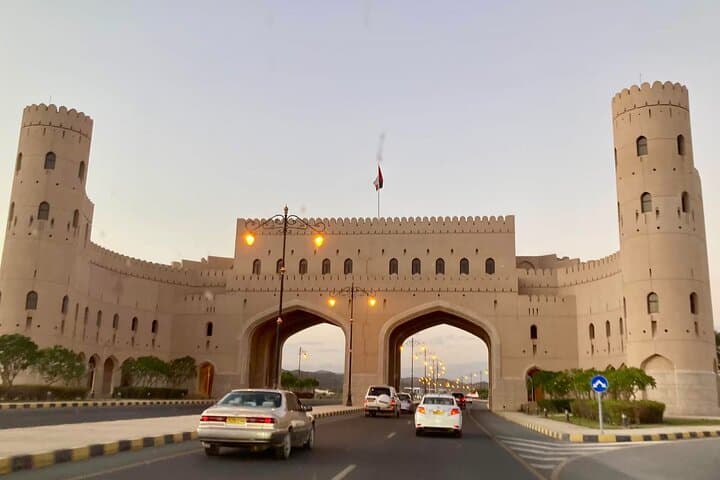
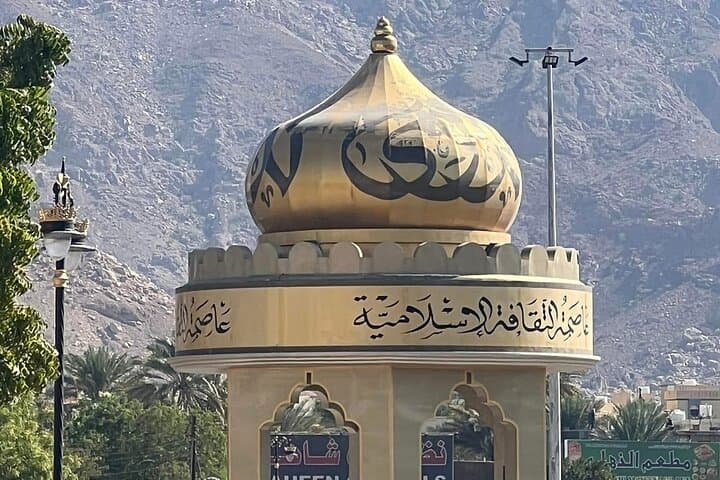
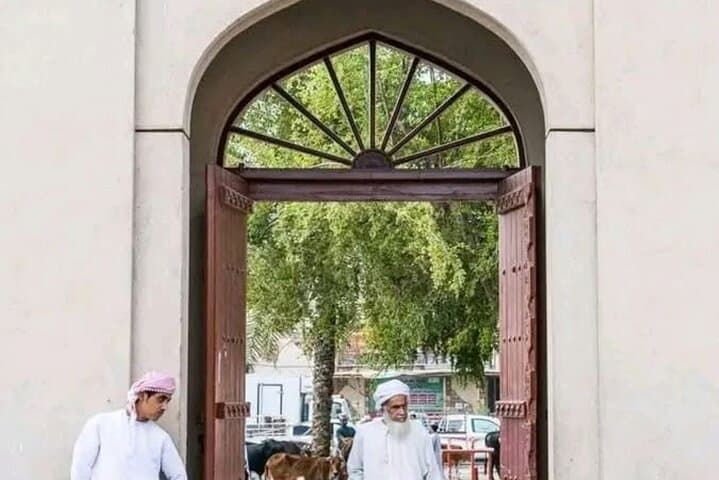
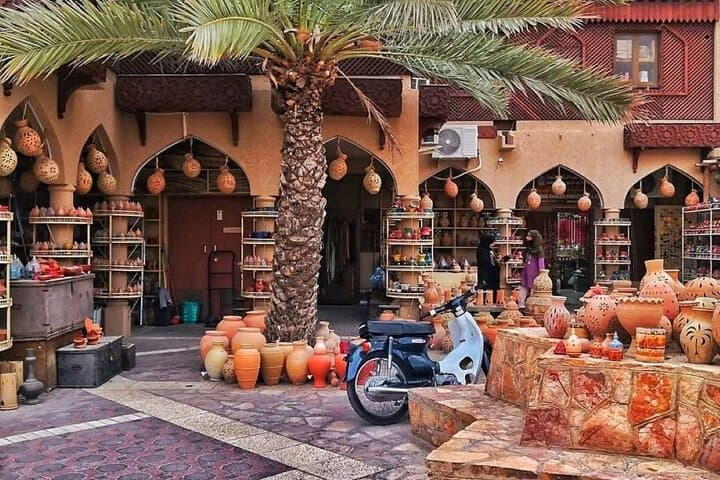
Dawn stretches pink across Muscat as the car noses toward the mountains and the day begins to unfurl. By midmorning you’re wandering Nizwa’s souq—spice aromas trying to outdo each other, copper coffee pots catching the light, date vendors leaning in with friendly insistence. The fort’s circular tower rises above it all, a 17th‑century statement from the Yaruba dynasty that still watches the Hajar foothills with quiet authority. From the ramparts, the old capital looks compact and storied, a place that learned to hold water and ward off raiders in the same breath.
Dawn stretches pink across Muscat as the car noses toward the mountains and the day begins to unfurl. By midmorning you’re wandering Nizwa’s souq—spice aromas trying to outdo each other, copper coffee pots catching the light, date vendors leaning in with friendly insistence. The fort’s circular tower rises above it all, a 17th‑century statement from the Yaruba dynasty that still watches the Hajar foothills with quiet authority. From the ramparts, the old capital looks compact and storied, a place that learned to hold water and ward off raiders in the same breath.
Eastward, the landscape loosens into the Al Sharqiya Sands, where wind combs the dunes into long ribs of apricot and gold. The desert plays with you here—soft underfoot one step, sliding the next—then rewards patience with a sunset that burns low and wide. Night falls clean. Stars arrive like a crowd. In the morning, the sand cools its temper, and the road pulls you toward water.
Wadi Bani Khalid is a relief you can swim in: limestone pools the color of glass, fed by mountain springs, nine meters deep in places and edged by palms. Farther on, Sur keeps an eye on the Arabian Sea and its wooden memory. At the dhow yard, shipwrights bend planks as their fathers did, a living tie to trade routes that stitched Oman to East Africa and India. Come night, the shore quiets at Ras Al Jinz. Rangers guide you in silence. The beach breathes, and green sea turtles heave ashore with ancient purpose, the surf urging them on and pulling them back.
Day three threads the best of Oman’s coast. Wadi Shab asks for a 45‑minute canyon walk before inviting you to swim from pool to pool, finishing in a hidden cave where sunlight turns the water electric. Fins Beach throws open a strip of white sand to turquoise. And the Bimmah Sinkhole explains itself in stone: a limestone roof collapsed, revealing a brackish bowl that gleams beside the sea and hints at the subterranean plumbing of the Hajar.
This is a private, guide‑driven loop—no logistics to untangle, just an honest mix of desert driving, short hikes, swims, and coastal discovery. Wear trail shoes you don’t mind getting wet. Pack modest, quick‑dry layers for souqs and wadis. Hydrate like it’s your job. And when the desert dares you with heat or the sea urges turtles home, meet the moment with patience and respect—the landscape will meet you back.