THE ADVENTURE COLLECTIVE® · Independent discovery and booking for outdoor travel

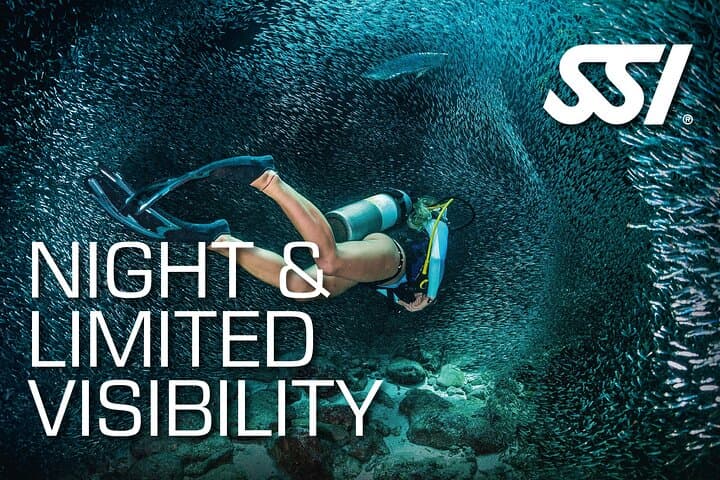
Dive Tenerife after dark and watch familiar reefs come alive under the beam of your torch. This SSI Night Dive Specialty focuses on night-time behavior, navigation, and safe low-light techniques for two guided dives.
Dive Tenerife after dark and watch familiar reefs come alive under the beam of your torch. This SSI Night Dive Specialty focuses on night-time behavior, navigation, and safe low-light techniques for two guided dives.
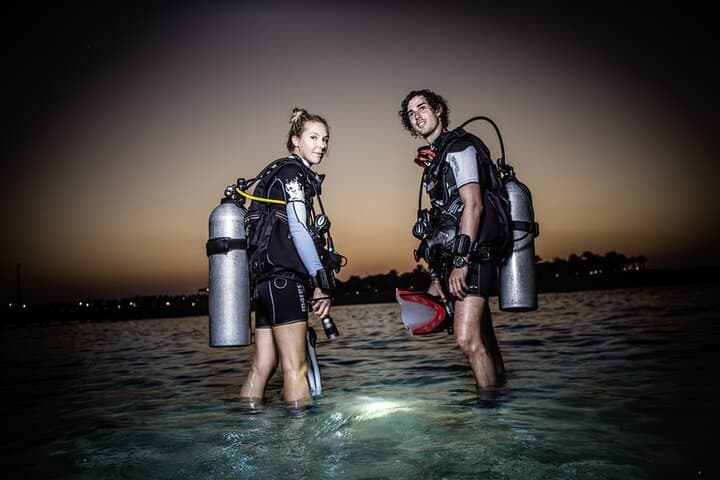
The boat slips away from shore as dusk eats the last light off the Atlantic and your dive torch becomes the only sun.
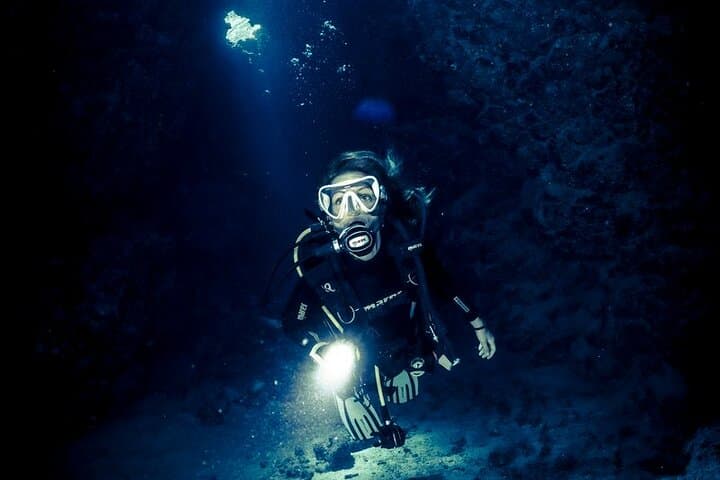
You inhale through the regulator and the reef below rearranges itself: polyps stretch like tiny hands, crustaceans fan out, and predator eyes reflect a single needle of light. Night diving in Tenerife flips the familiar reef into a hidden, active world where behaviors change and creatures you rarely see by day take the stage.
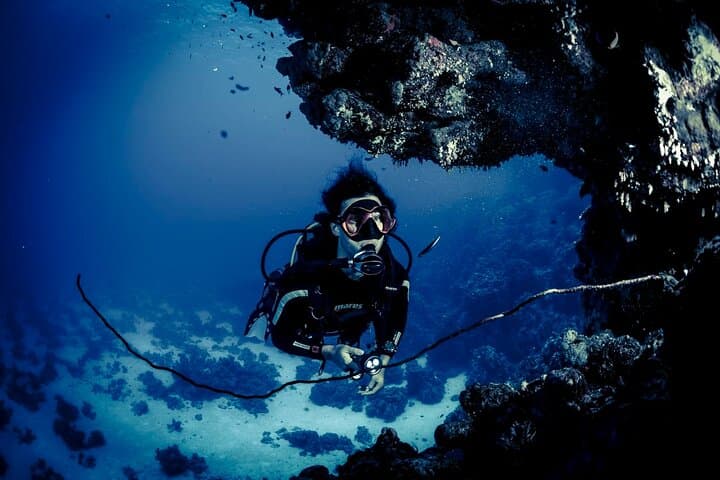
Tenerife’s coastline is volcanic—dark basalt shelves and lava formations shape drop-offs and rock gardens that attract sheltering fish and nocturnal invertebrates. The island’s maritime history is a mix of Canarian fishing traditions and modern tourism; local dive operators balance that legacy with protections for sensitive bays such as El Puertito.
Expect a careful briefing on light use, buddy protocols, and site-specific navigation before two short dives that focus on low-light observation rather than distance.
Practically, this specialty emphasizes buoyancy and equipment management: think secure hoses, redundant lighting, and controlled ascents. Conditions off southern Tenerife are generally calm in summer and early fall but can stiffen with Atlantic swells; visibility varies by site.
Bring charged batteries, a dive computer, and a tight-weight check—night dives punish poor trim more than day trips. Hydrate well, plan surface intervals (especially if flying soon after diving), and consider a local skipper’s advice about currents and entry points.
A night dive here rewards quiet attention: the reef doesn’t glow, but it moves, prowls, and invites you to watch closely.
Verified experiences and guided adventures in the surrounding area.
Operated by GooDiving · Costa Adeje, Canary Islands
The boat slips away from shore as dusk eats the last light off the Atlantic and your dive torch becomes the only sun.
You inhale through the regulator and the reef below rearranges itself: polyps stretch like tiny hands, crustaceans fan out, and predator eyes reflect a single needle of light. Night diving in Tenerife flips the familiar reef into a hidden, active world where behaviors change and creatures you rarely see by day take the stage.
Tenerife’s coastline is volcanic—dark basalt shelves and lava formations shape drop-offs and rock gardens that attract sheltering fish and nocturnal invertebrates. The island’s maritime history is a mix of Canarian fishing traditions and modern tourism; local dive operators balance that legacy with protections for sensitive bays such as El Puertito.
Expect a careful briefing on light use, buddy protocols, and site-specific navigation before two short dives that focus on low-light observation rather than distance.
Practically, this specialty emphasizes buoyancy and equipment management: think secure hoses, redundant lighting, and controlled ascents. Conditions off southern Tenerife are generally calm in summer and early fall but can stiffen with Atlantic swells; visibility varies by site.
Bring charged batteries, a dive computer, and a tight-weight check—night dives punish poor trim more than day trips. Hydrate well, plan surface intervals (especially if flying soon after diving), and consider a local skipper’s advice about currents and entry points.
A night dive here rewards quiet attention: the reef doesn’t glow, but it moves, prowls, and invites you to watch closely.
moderate.
3–4 hours.
Suitable for divers in average physical condition who can handle short swims, gear carries, and basic pool-style equalization.
Yes—participants should hold at least an Open Water certification or equivalent and be comfortable with basic buoyancy skills.
Expect nocturnal crustaceans, moray eels, sleeping reef fish, and sometimes turtles and octopus emerging to hunt.
With proper briefing and an instructor-led group, divers with basic certification can safely experience night dives; comfort in low-visibility conditions is essential.
No—standard recommendations advise waiting 18–24 hours after single dives and longer after multiple dives; consult your operator for specifics.
Tenerife’s coasts are the product of volcanic eruptions that built layered basalt shelves; fishing shaped local coastal communities long before recreational diving arrived.
Many popular sites are informally managed by local operators—practice neutral buoyancy and avoid taking souvenirs to protect slow-growing reef life.
GooDiving operates guided outdoor trips and adventures with an emphasis on safety, stewardship, and memorable experiences.
The boat slips away from shore as dusk eats the last light off the Atlantic and your dive torch becomes the only sun.
You inhale through the regulator and the reef below rearranges itself: polyps stretch like tiny hands, crustaceans fan out, and predator eyes reflect a single needle of light. Night diving in Tenerife flips the familiar reef into a hidden, active world where behaviors change and creatures you rarely see by day take the stage.
Tenerife’s coastline is volcanic—dark basalt shelves and lava formations shape drop-offs and rock gardens that attract sheltering fish and nocturnal invertebrates. The island’s maritime history is a mix of Canarian fishing traditions and modern tourism; local dive operators balance that legacy with protections for sensitive bays such as El Puertito.
Expect a careful briefing on light use, buddy protocols, and site-specific navigation before two short dives that focus on low-light observation rather than distance.
Practically, this specialty emphasizes buoyancy and equipment management: think secure hoses, redundant lighting, and controlled ascents. Conditions off southern Tenerife are generally calm in summer and early fall but can stiffen with Atlantic swells; visibility varies by site.
Bring charged batteries, a dive computer, and a tight-weight check—night dives punish poor trim more than day trips. Hydrate well, plan surface intervals (especially if flying soon after diving), and consider a local skipper’s advice about currents and entry points.
A night dive here rewards quiet attention: the reef doesn’t glow, but it moves, prowls, and invites you to watch closely.
The boat slips away from shore as dusk eats the last light off the Atlantic and your dive torch becomes the only sun.
You inhale through the regulator and the reef below rearranges itself: polyps stretch like tiny hands, crustaceans fan out, and predator eyes reflect a single needle of light. Night diving in Tenerife flips the familiar reef into a hidden, active world where behaviors change and creatures you rarely see by day take the stage.
Tenerife’s coastline is volcanic—dark basalt shelves and lava formations shape drop-offs and rock gardens that attract sheltering fish and nocturnal invertebrates. The island’s maritime history is a mix of Canarian fishing traditions and modern tourism; local dive operators balance that legacy with protections for sensitive bays such as El Puertito.
Expect a careful briefing on light use, buddy protocols, and site-specific navigation before two short dives that focus on low-light observation rather than distance.
Practically, this specialty emphasizes buoyancy and equipment management: think secure hoses, redundant lighting, and controlled ascents. Conditions off southern Tenerife are generally calm in summer and early fall but can stiffen with Atlantic swells; visibility varies by site.
Bring charged batteries, a dive computer, and a tight-weight check—night dives punish poor trim more than day trips. Hydrate well, plan surface intervals (especially if flying soon after diving), and consider a local skipper’s advice about currents and entry points.
A night dive here rewards quiet attention: the reef doesn’t glow, but it moves, prowls, and invites you to watch closely.