THE ADVENTURE COLLECTIVE® · Independent discovery and booking for outdoor travel

In one long, scenic loop this popular Tenerife tour moves from the lava-swept highlands of Teide to the ancient dragon tree of Icod, the volcanic pools of Garachico and the cliff-hugged village of Masca—an efficient, dramatic primer on the island’s geology and culture.
In one long, scenic loop this popular Tenerife tour moves from the lava-swept highlands of Teide to the ancient dragon tree of Icod, the volcanic pools of Garachico and the cliff-hugged village of Masca—an efficient, dramatic primer on the island’s geology and culture.
The bus peels away from the coast and the island changes like pages in a field guide: humid laurel woods give way to pine, then to bare pumice and black lava where the world feels thinner and the ocean seems to pull farther away.
Verified experiences and guided adventures in the surrounding area.
Operated by TENERIFE TRIPS & HOLIDAYS · Puerto de la Cruz, Santa Cruz de Tenerife
The bus peels away from the coast and the island changes like pages in a field guide: humid laurel woods give way to pine, then to bare pumice and black lava where the world feels thinner and the ocean seems to pull farther away.
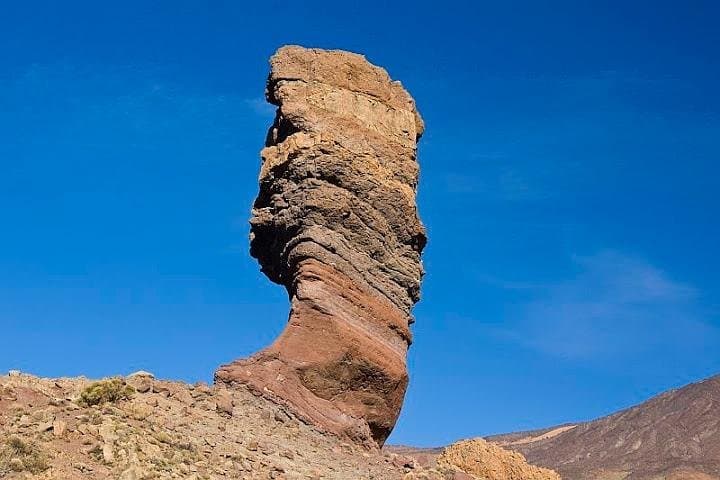
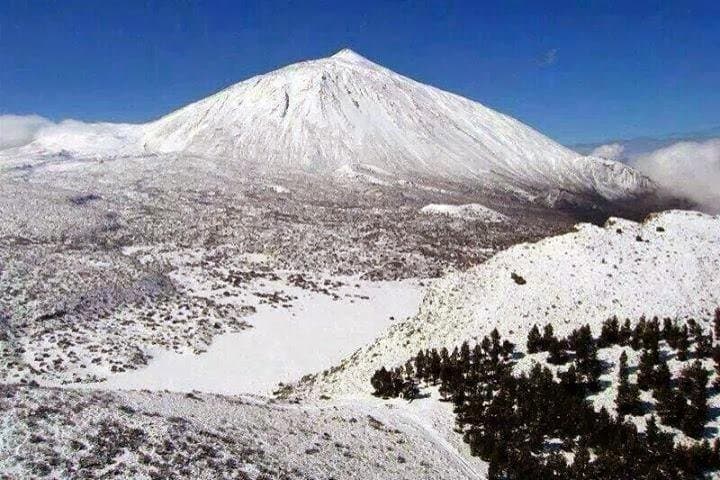
By mid-morning you’re moving through Teide National Park, the volcanic spine of Tenerife and the highest point in Spain. The landscape here is raw—roques and ridgelines carved by ancient eruptions, wind and time. The guide points out the summit’s jagged silhouette (3,718 m) and explains how successive flows and explosive events sculpted the high plateau; layers of basalt and ash stack like a geological script. The air cools noticeably as you climb, and sun, wind and altitude are constant companions.
After the lunar scrub of Teide, the bus drops you into a different island: Icod de los Vinos, where a single, gnarled dragon tree (Dracaena draco) stands more than a millennium old. Locals still pin identity to that trunk—this is the island’s botanical symbol and a reminder of Tenerife’s long human story. Spanish colonists, the indigenous Guanche people and later maritime trade shaped these towns; Garachico’s natural pools, formed when lava poured into the 18th-century port, are a visible record of that volatility.
Masca arrives late in the day, tucked within deep ravines and reached by a road that feels like a cliffside test. Pirates once used its hidden coves for shelter; today hikers and photographers come for the narrow terraces, sheer drops and views into the sea. Nearby Los Gigantes presents a final contrast—black cliffs that drop vertically into the Atlantic, a place where the ocean seems to test gravity.
Practical edge: the full loop runs about 7–8 hours with multiple short stops (roughly 30 minutes each at key points). Expect temperature swings of 10–15°C between coast and high altitude, and uneven volcanic footing at viewpoints. The tour is a good fit if you want a sweeping introduction to Tenerife’s geology, culture and microclimates in a single day without driving.
How to plan it: bring layers, sun protection and at least 1–2 liters of water, and wear sturdy shoes for short walks on rock and loose scree. Arrive early if you want better light for photography at Roques de García or the Masca mirador. If you’re considering the Teide cable car to the summit, check weather and permit requirements in advance—the tour focuses on panoramic viewpoints rather than summit permits.
At its best this route makes the island legible: volcanic forces, human adaptation and coastal drama played out across a compact, changeable landscape. Within a single day you’ll feel the altitude tug, taste the island’s agricultural past in Icod’s wines, and stand where lava once rewired a town.
moderate.
7–8 hours.
Light to moderate fitness: ability to handle short uphill walks and uneven ground; mostly bus-based with several 20–40 minute stops.
The tour lasts about 7–8 hours (420–480 minutes) with several short stops at major viewpoints and towns.
Some site admissions are included according to the itinerary, but activities like the Teide cable car and summit permits are typically not included—check details before booking.
The tour visits Teide National Park viewpoints; summit access via cable car or permit is separate and depends on weather and availability.
Yes—transport is air-conditioned and stops are short, but participants should be able to manage short uneven walks and temperature changes.
Layers, sun protection, sturdy shoes, water, and a camera; consider a light snack for between stops.
Yes—hotel pickups are offered at numerous points (Puerto de la Cruz and other towns); confirm your pick-up when booking.
Tenerife’s landscape and towns reflect volcanic events and centuries of human settlement, from the indigenous Guanche people to colonial maritime trade that shaped ports like Garachico.
High-altitude ecosystems are fragile—stay on marked paths, avoid collecting plants or rocks, and limit water use to local guidelines.
TENERIFE TRIPS & HOLIDAYS operates guided outdoor trips and adventures with an emphasis on safety, stewardship, and memorable experiences.


The bus peels away from the coast and the island changes like pages in a field guide: humid laurel woods give way to pine, then to bare pumice and black lava where the world feels thinner and the ocean seems to pull farther away.
The bus peels away from the coast and the island changes like pages in a field guide: humid laurel woods give way to pine, then to bare pumice and black lava where the world feels thinner and the ocean seems to pull farther away.
By mid-morning you’re moving through Teide National Park, the volcanic spine of Tenerife and the highest point in Spain. The landscape here is raw—roques and ridgelines carved by ancient eruptions, wind and time. The guide points out the summit’s jagged silhouette (3,718 m) and explains how successive flows and explosive events sculpted the high plateau; layers of basalt and ash stack like a geological script. The air cools noticeably as you climb, and sun, wind and altitude are constant companions.
After the lunar scrub of Teide, the bus drops you into a different island: Icod de los Vinos, where a single, gnarled dragon tree (Dracaena draco) stands more than a millennium old. Locals still pin identity to that trunk—this is the island’s botanical symbol and a reminder of Tenerife’s long human story. Spanish colonists, the indigenous Guanche people and later maritime trade shaped these towns; Garachico’s natural pools, formed when lava poured into the 18th-century port, are a visible record of that volatility.
Masca arrives late in the day, tucked within deep ravines and reached by a road that feels like a cliffside test. Pirates once used its hidden coves for shelter; today hikers and photographers come for the narrow terraces, sheer drops and views into the sea. Nearby Los Gigantes presents a final contrast—black cliffs that drop vertically into the Atlantic, a place where the ocean seems to test gravity.
Practical edge: the full loop runs about 7–8 hours with multiple short stops (roughly 30 minutes each at key points). Expect temperature swings of 10–15°C between coast and high altitude, and uneven volcanic footing at viewpoints. The tour is a good fit if you want a sweeping introduction to Tenerife’s geology, culture and microclimates in a single day without driving.
How to plan it: bring layers, sun protection and at least 1–2 liters of water, and wear sturdy shoes for short walks on rock and loose scree. Arrive early if you want better light for photography at Roques de García or the Masca mirador. If you’re considering the Teide cable car to the summit, check weather and permit requirements in advance—the tour focuses on panoramic viewpoints rather than summit permits.
At its best this route makes the island legible: volcanic forces, human adaptation and coastal drama played out across a compact, changeable landscape. Within a single day you’ll feel the altitude tug, taste the island’s agricultural past in Icod’s wines, and stand where lava once rewired a town.