THE ADVENTURE COLLECTIVE® · Independent discovery and booking for outdoor travel

A private, full-day loop from Windermere that threads mountain passes, mirror-like lakes and ancient stone circles. Expect dramatic viewpoints, a Derwentwater cruise and a relaxed lunch in Keswick—ideal for travelers who want wide-ranging Lake District scenery in a single day.
A private, full-day loop from Windermere that threads mountain passes, mirror-like lakes and ancient stone circles. Expect dramatic viewpoints, a Derwentwater cruise and a relaxed lunch in Keswick—ideal for travelers who want wide-ranging Lake District scenery in a single day.
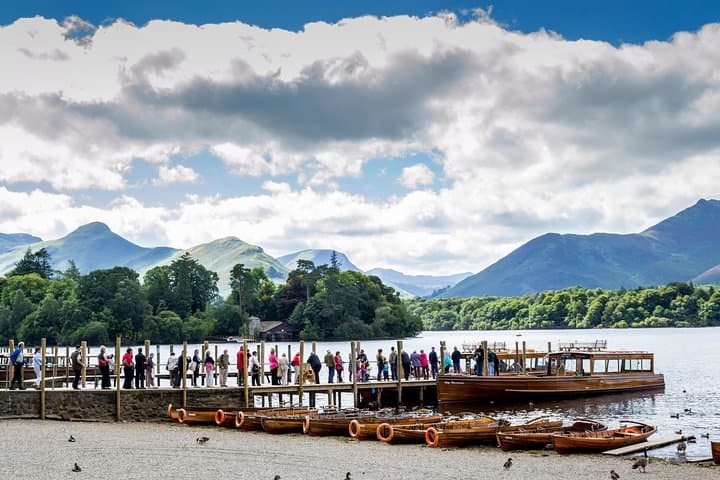
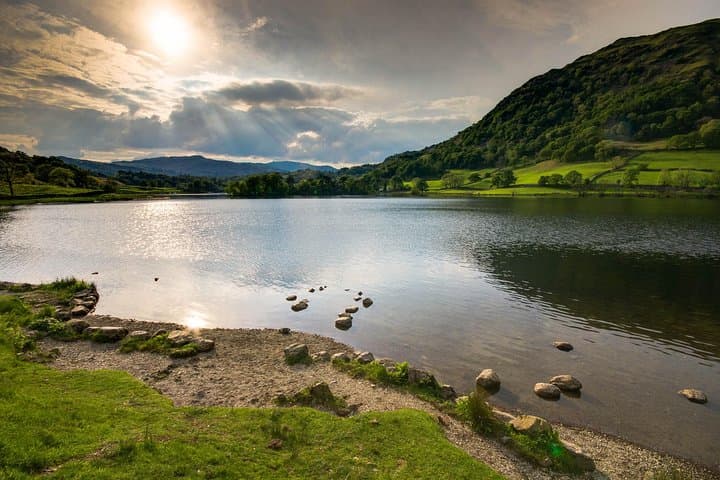
You step off the train at Windermere and feel the landscape rearrange itself—stone walls, patchwork fields and a road that immediately begins to climb toward the fells. In the back of a quiet, leather-trimmed minibus a driver-guide outlines the day: Borrowdale’s green gorge, the mirror-surface of Thirlmere, a short lake cruise, and a stop in Keswick for lunch. The windows frame waterfalls that seem to hurry to the valley floor like pins of light.
Verified experiences and guided adventures in the surrounding area.
Operated by Mountain Goat Tours · Windermere, Cumbria
You step off the train at Windermere and feel the landscape rearrange itself—stone walls, patchwork fields and a road that immediately begins to climb toward the fells. In the back of a quiet, leather-trimmed minibus a driver-guide outlines the day: Borrowdale’s green gorge, the mirror-surface of Thirlmere, a short lake cruise, and a stop in Keswick for lunch. The windows frame waterfalls that seem to hurry to the valley floor like pins of light.
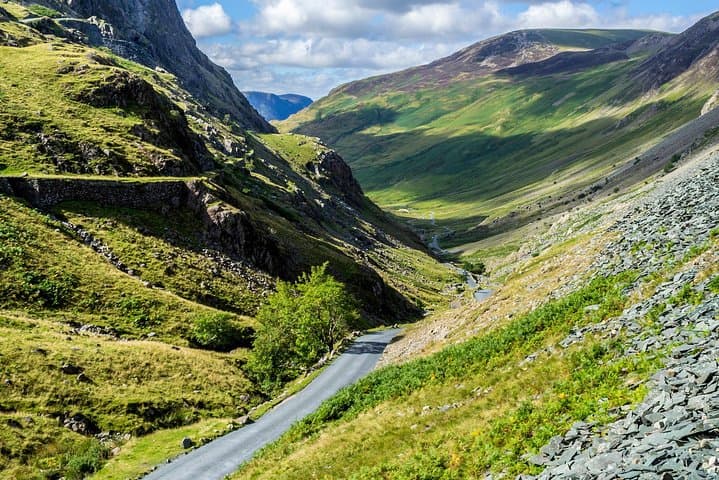
This full-day private circuit stitches together some of the Lake District’s most recognisable scenes. Geologically, you’re moving across slates and volcanic rocks born of Ordovician upheaval; glacial action carved the U-shaped valleys and basins that hold Derwentwater and Buttermere. Honister Pass, one of the high points of the route at roughly 356 m, tightens the road to a hair’s breadth and offers abrupt, alpine-like perspectives—rocky slopes daring you to step out and look back at where you came from.
Culture sits on the route too. Grasmere’s tearooms hawk Sarah Nelson’s gingerbread the same way Wordsworth’s name hangs on the village like a weathered plaque. Castlerigg Stone Circle, set on a low fell at about 320 m, delivers a startling human voice across the millennia; its ring of standing stones reads like an open-air amphitheatre for the sky.
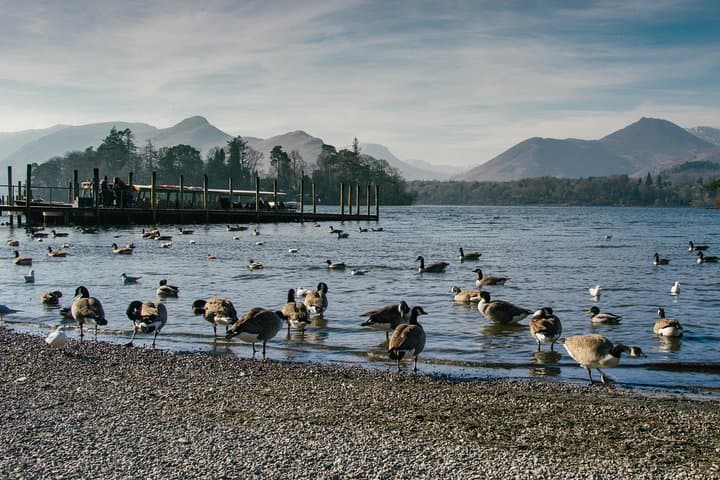
Practicalities shape the experience as much as scenery. The tour runs roughly eight hours, moving at a steady pace with scheduled stops for photos, a 50-minute lake cruise on Derwentwater, and an hour for lunch in Keswick. Terrain underfoot at viewing stops can be uneven and muddy after rain; while you won’t be hiking far, you’ll appreciate sensible footwear and a windproof layer. Toilets and cafés are available in Keswick and Grasmere; the rest of the route offers mostly roadside viewpoints.
A private vehicle means flexibility—ask your guide to linger longer at a waterfall or reroute for a quieter photo stop—but remember the itinerary covers a lot of ground. Weather in the Lakes changes fast: bright sun can revert to sleet within an hour, and mountain passes are exposed to gusts. Bring a compact daypack with water, a rain jacket and a camera with weather protection. If you’re travelling with children or mobility concerns, notify the operator in advance; the vehicle is designed for comfort, but there are a few steps to board.
By late afternoon the light softens across the lakes, and the return to Windermere feels like a slow unwinding—steep slopes giving way to settled fields, and the knowledge that, in a single day, you’ve crossed much of what defines this part of England: geology, history, and the simple pleasure of water held still against a low, watchful sky.
easy.
7–8 hours.
Low fitness required; able to board a minibus and walk short, uneven distances at viewpoints.
Meet at Windermere Tourist Information Centre (near the railway station); the tour returns to the same meeting point at day’s end.
Yes—children are welcome but must have their own seat; infant seats can be arranged if requested at booking.
Transport and commentary are included; lunch and drinks are available to purchase during the Keswick stop.
This is a private tour, so within reason guides can extend photo stops or adjust time in villages—confirm requests when booking.
The minibus can carry foldable wheelchairs but there are a few steps to board; contact the operator ahead to arrange assistance.
The tour operates in most conditions; high winds or road closures could force route changes—bring appropriate clothing and check updates before travel.
Castlerigg Stone Circle dates to roughly 4,000 years ago and occupies a natural amphitheatre created by surrounding fells, offering one of Britain’s oldest ritual sites.
The Lake District is a National Park with active conservation efforts to manage visitor impact—stick to paths, pack out litter and respect grazing land and dry stone walls.
Mountain Goat Tours operates guided outdoor trips and adventures with an emphasis on safety, stewardship, and memorable experiences.
You step off the train at Windermere and feel the landscape rearrange itself—stone walls, patchwork fields and a road that immediately begins to climb toward the fells. In the back of a quiet, leather-trimmed minibus a driver-guide outlines the day: Borrowdale’s green gorge, the mirror-surface of Thirlmere, a short lake cruise, and a stop in Keswick for lunch. The windows frame waterfalls that seem to hurry to the valley floor like pins of light.
You step off the train at Windermere and feel the landscape rearrange itself—stone walls, patchwork fields and a road that immediately begins to climb toward the fells. In the back of a quiet, leather-trimmed minibus a driver-guide outlines the day: Borrowdale’s green gorge, the mirror-surface of Thirlmere, a short lake cruise, and a stop in Keswick for lunch. The windows frame waterfalls that seem to hurry to the valley floor like pins of light.
This full-day private circuit stitches together some of the Lake District’s most recognisable scenes. Geologically, you’re moving across slates and volcanic rocks born of Ordovician upheaval; glacial action carved the U-shaped valleys and basins that hold Derwentwater and Buttermere. Honister Pass, one of the high points of the route at roughly 356 m, tightens the road to a hair’s breadth and offers abrupt, alpine-like perspectives—rocky slopes daring you to step out and look back at where you came from.
Culture sits on the route too. Grasmere’s tearooms hawk Sarah Nelson’s gingerbread the same way Wordsworth’s name hangs on the village like a weathered plaque. Castlerigg Stone Circle, set on a low fell at about 320 m, delivers a startling human voice across the millennia; its ring of standing stones reads like an open-air amphitheatre for the sky.
Practicalities shape the experience as much as scenery. The tour runs roughly eight hours, moving at a steady pace with scheduled stops for photos, a 50-minute lake cruise on Derwentwater, and an hour for lunch in Keswick. Terrain underfoot at viewing stops can be uneven and muddy after rain; while you won’t be hiking far, you’ll appreciate sensible footwear and a windproof layer. Toilets and cafés are available in Keswick and Grasmere; the rest of the route offers mostly roadside viewpoints.
A private vehicle means flexibility—ask your guide to linger longer at a waterfall or reroute for a quieter photo stop—but remember the itinerary covers a lot of ground. Weather in the Lakes changes fast: bright sun can revert to sleet within an hour, and mountain passes are exposed to gusts. Bring a compact daypack with water, a rain jacket and a camera with weather protection. If you’re travelling with children or mobility concerns, notify the operator in advance; the vehicle is designed for comfort, but there are a few steps to board.
By late afternoon the light softens across the lakes, and the return to Windermere feels like a slow unwinding—steep slopes giving way to settled fields, and the knowledge that, in a single day, you’ve crossed much of what defines this part of England: geology, history, and the simple pleasure of water held still against a low, watchful sky.