THE ADVENTURE COLLECTIVE® · Independent discovery and booking for outdoor travel

Spend a day living like a tea plucker in the Darjeeling hills: estate walks, factory tours, forest hikes and multiple tastings across heritage gardens. Expect gentle slopes, intimate cultural encounters and fresh mountain tea served throughout the day.
Spend a day living like a tea plucker in the Darjeeling hills: estate walks, factory tours, forest hikes and multiple tastings across heritage gardens. Expect gentle slopes, intimate cultural encounters and fresh mountain tea served throughout the day.
Book with Darjeeling Walks
Book directly with Darjeeling Walks for the best rates and real-time scheduling.
Reserve NowVerified experiences and guided adventures in the surrounding area.
Operated by Darjeeling Walks · Darjeeling, West Bengal
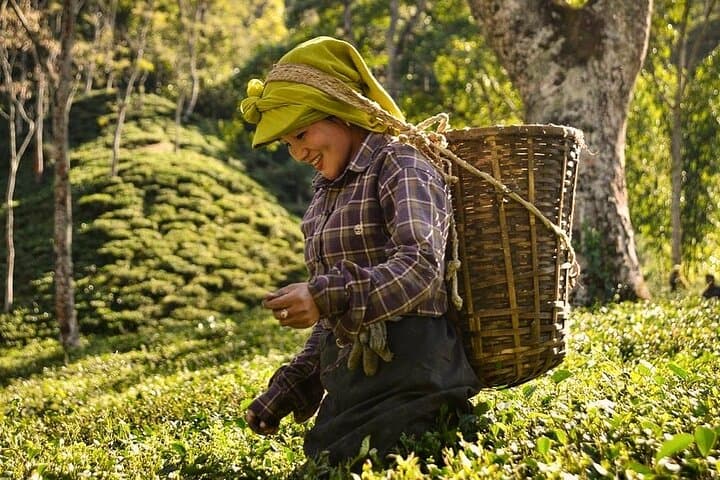
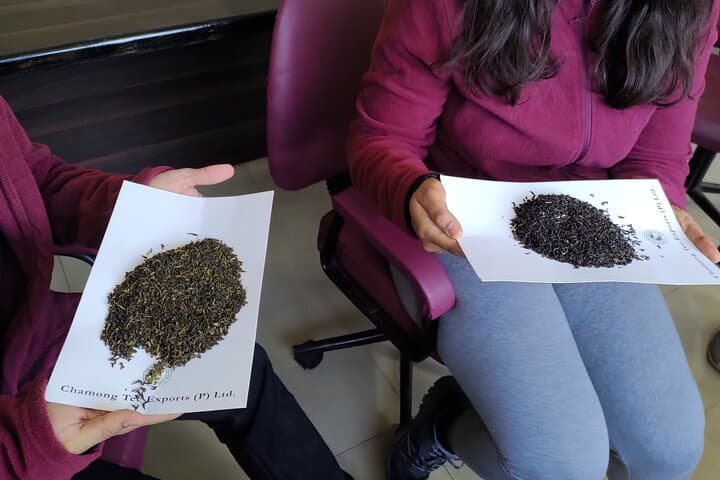
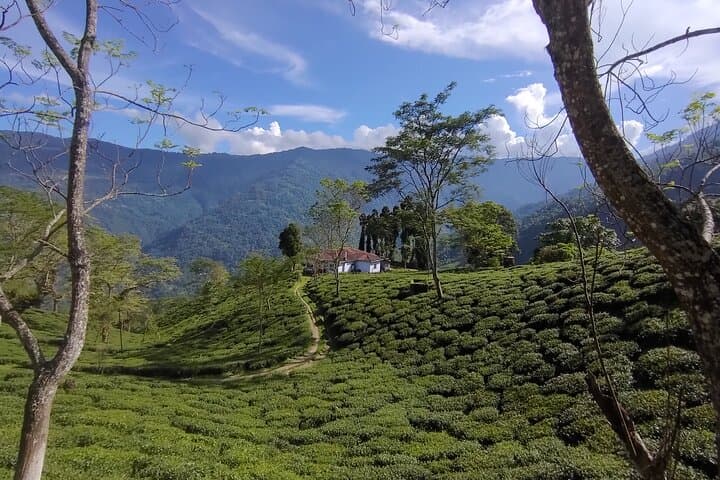
You set out from Darjeeling before the town wakes, cool mountain air filling the van as the hills slide by. By midmorning you are in a sun-streaked terrace where the tea bushes seem to keep time with the workers’ shears; leaves glint like coins. The day moves at a plucker’s pace—packed breakfast, long walks through tidy rows, a short forest hike at the estate edge, and a close-up tour of a factory where withering troughs and bamboo sieves turn leaf into liquor. Darjeeling’s tea story began in the mid-19th century when British planters converted steep slopes to small-bush Camellia sinensis; estates such as Ging (1864) and Makaibari still carry that colonial imprint and evolving organic practices. Geology here is younger Himalayan foothills—granite and shale folded into steep, well-drained slopes that give Darjeeling’s teas their brisk, floral character. Culturally, the tea garden is a workplace and community: songs, hand-rolled skills, and multigenerational knowledge shape the harvest rhythm. Expect polite curiosity from pluckers and ask before photographing. Practical guidance: estate walks are usually 3–6 km on packed-earth paths with 100–300 m of rolling elevation; walking sticks are available and helpful. Bring layered clothing for sun, wind and sudden showers, sturdy shoes for mud after rain, insect repellent, and a reusable water bottle. Lunchtime is often a simple, hearty meal at the estate; tea tastings highlight subtle differences between flushes. Respect work areas, follow your guide, and budget time for gentle slopes and frequent stops—this is as much cultural immersion as it is a hike.
easy.
5–6 hours.
Light to moderate fitness; comfortable walking stamina for 3–6 km over uneven packed-earth with short elevation changes
Expect 3–6 km of walking on gentle to rolling slopes across the estate with short detours for factory visits and a brief forested hike; walking sticks are available.
Yes—packed breakfast, lunch, and unlimited estate teas are included as part of the full-day experience.
The tour is generally suitable for most ages and fitness levels, but those with mobility issues should inform the operator ahead of time to arrange easier routes or transport within the estate.
Admission to partner estates and factory tours is typically included in the tour price, but always confirm if a particular garden requires additional permissions.
Tea cultivation in Darjeeling began under British colonial planters in the mid-1800s; many estates retain that 19th-century layout while local communities have long provided the skilled labor needed for plucking and processing.
The Darjeeling hills are ecologically sensitive—soil erosion and deforestation are ongoing concerns. Support estates with organic or sustainable certifications and stay on marked paths to minimize impact.
Darjeeling Walks operates guided outdoor trips and adventures with an emphasis on safety, stewardship, and memorable experiences.
Book with Darjeeling Walks
Book directly with Darjeeling Walks for the best rates and real-time scheduling.
Reserve Now