THE ADVENTURE COLLECTIVE® · Independent discovery and booking for outdoor travel

Spend a concise half-day exploring Marlborough’s vineyards on a small-group tour from Blenheim. Taste three to four cellar doors, learn how the Wairau soils shape Sauvignon Blanc and Pinot Noir, and enjoy a winery lunch stop at your own expense.
Spend a concise half-day exploring Marlborough’s vineyards on a small-group tour from Blenheim. Taste three to four cellar doors, learn how the Wairau soils shape Sauvignon Blanc and Pinot Noir, and enjoy a winery lunch stop at your own expense.
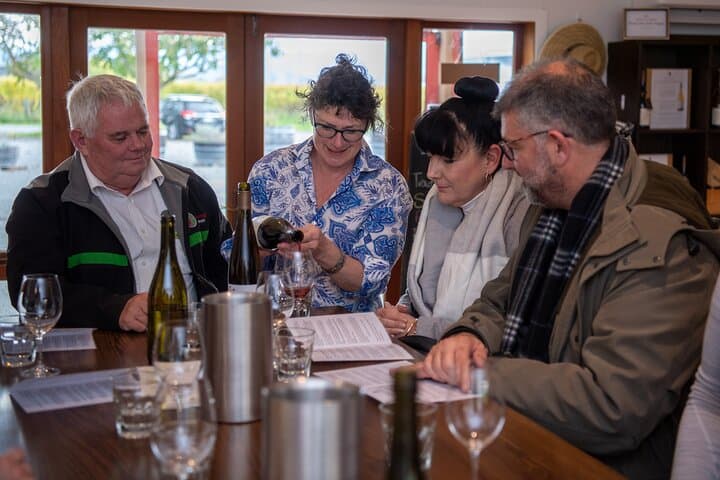
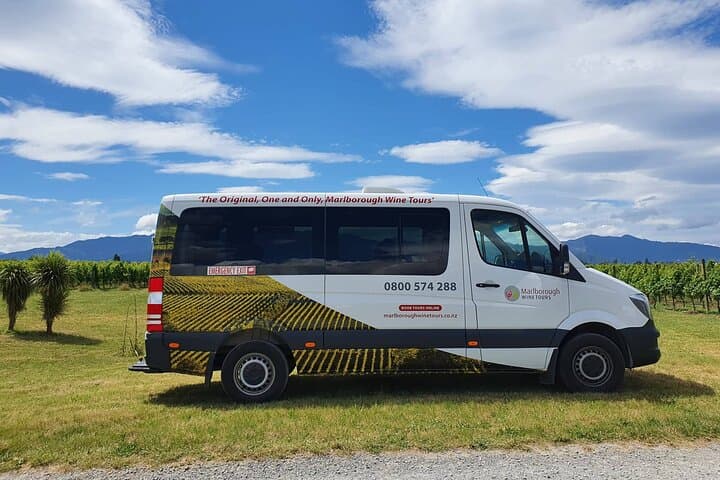
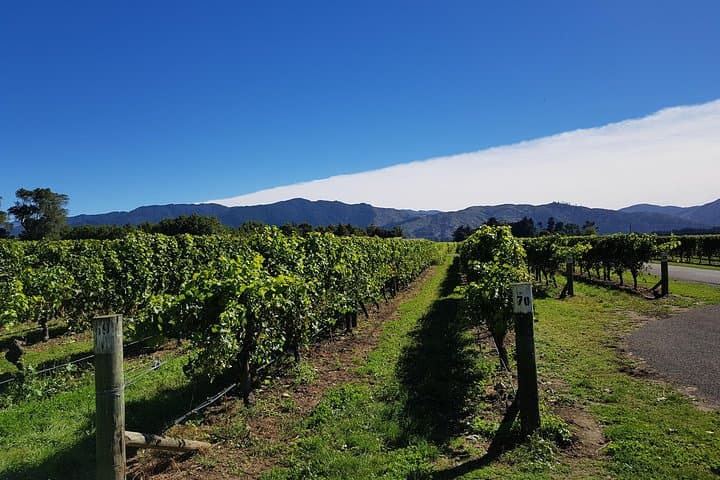
By mid-morning the coach eases out of Blenheim and the flat Wairau plain unfurls: rows of vines in tidy green ribbons, the Southern Alps a faint spine on the horizon. The guide—part driver, part vineyard translator—passes around tasting notes as the group of 8–11 leans into the bus windows. You can already taste the place: brisk, citrus-driven Sauvignon Blancs that made Marlborough famous, and the weightier Pinot Noirs that show the region’s cooler pockets.
Verified experiences and guided adventures in the surrounding area.
Operated by Marlborough Wine Tours · Blenheim, Marlborough
By mid-morning the coach eases out of Blenheim and the flat Wairau plain unfurls: rows of vines in tidy green ribbons, the Southern Alps a faint spine on the horizon. The guide—part driver, part vineyard translator—passes around tasting notes as the group of 8–11 leans into the bus windows. You can already taste the place: brisk, citrus-driven Sauvignon Blancs that made Marlborough famous, and the weightier Pinot Noirs that show the region’s cooler pockets.
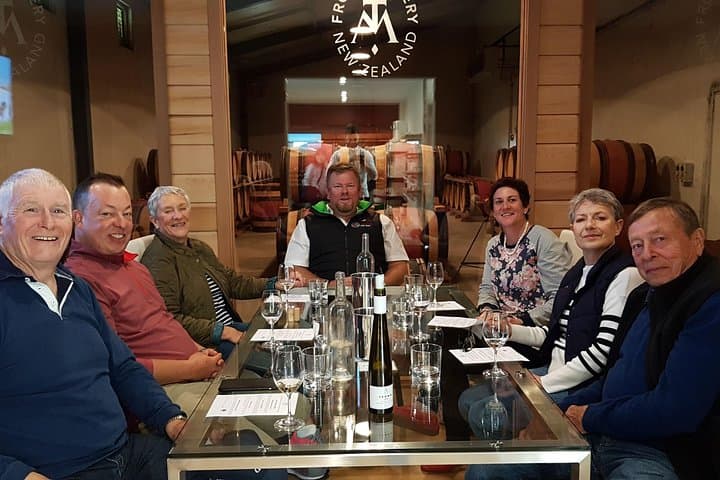
This half-day tour (roughly 4–4.5 hours) threads through a mix of family-owned cellar doors and larger producers. Expect three to four stops—small-group dynamics mean more time at each cellar door, with an included tasting fee and live commentary about winemaking decisions: canopy management, irrigation, and the late-winter frosts that shape harvest timing. One stop is scheduled at a winery restaurant for lunch at your own expense, an opportunity to pair what you’ve tasted with house-made fare.
Marlborough’s story is geological as much as agricultural. The Wairau valley is a broad alluvial plain of sand and gravel deposited by braided rivers—soil that drains quickly and concentrates flavors in the vine. The maritime climate, cooled by southerly breezes, gives Marlborough Sauvignon Blanc its electric acidity. The region’s modern boom began in the 1970s; by the 1980s, international demand had stamped Marlborough as New Zealand’s signature wine region.
Culturally, viticulture here sits alongside Māori landuse history and diversified farming; cellar doors are as much community hubs as they are production sites. Guides will often point out sustainable practices—cover crops, reduced-spray regimes, and water management—that are increasingly standard among vineyards aiming to preserve the delicate plains.
Practicalities matter: pickup is door-to-door in Blenheim and Renwick with a flexible 10:00 a.m. start. The group size caps at 11, so bookings fill quickly on summer weekends. Bring a layer—coastal wind can be sharp—plus sun protection, comfortable shoes for short vineyard walks, and a reusable water bottle. Taste responsibly: the driver is professional and local, but you’ll appreciate pacing yourself to enjoy four stops.
If you want a compact, education-forward introduction to Marlborough wines with minimal logistics, this tour delivers. It balances cellar-door variety with local stories and leaves you back in Blenheim with a clearer sense of why Sauvignon Blanc still leads the region—and which boutique producers you might return to for a longer visit.
easy.
4–4.5 hours.
Suitable for most fitness levels—short walks on flat vineyard terrain and standing during tastings.
The tour typically visits three cellar doors, with some departures including a fourth; the guide will confirm the day’s itinerary at pickup.
Standard wine-tasting fees are included in the tour price; lunch and any wines you purchase are at your own expense.
Yes — door-to-door pickup and drop-off in central Blenheim and Renwick areas is included; specify your pickup point when booking.
The tour is family-friendly, but tastings are for those of legal drinking age (18+); non-drinkers can still join and enjoy the scenery and commentary.
You can notify the operator of dietary requirements when booking; the winery restaurant can usually accommodate common restrictions but confirm in advance.
Most wineries can keep purchased bottles for pickup at the end of the tour or ship them; ask at the cellar door about shipping options and charges.
Marlborough’s viticulture rose rapidly in the late 20th century when international interest in Sauvignon Blanc transformed the local economy, shifting from sheep and mixed farming to specialized vineyards.
Many producers in Marlborough employ water-efficient irrigation, native shelter belts, and reduced-spray programs to protect soils and local waterways.
Marlborough Wine Tours operates guided outdoor trips and adventures with an emphasis on safety, stewardship, and memorable experiences.
By mid-morning the coach eases out of Blenheim and the flat Wairau plain unfurls: rows of vines in tidy green ribbons, the Southern Alps a faint spine on the horizon. The guide—part driver, part vineyard translator—passes around tasting notes as the group of 8–11 leans into the bus windows. You can already taste the place: brisk, citrus-driven Sauvignon Blancs that made Marlborough famous, and the weightier Pinot Noirs that show the region’s cooler pockets.
By mid-morning the coach eases out of Blenheim and the flat Wairau plain unfurls: rows of vines in tidy green ribbons, the Southern Alps a faint spine on the horizon. The guide—part driver, part vineyard translator—passes around tasting notes as the group of 8–11 leans into the bus windows. You can already taste the place: brisk, citrus-driven Sauvignon Blancs that made Marlborough famous, and the weightier Pinot Noirs that show the region’s cooler pockets.
This half-day tour (roughly 4–4.5 hours) threads through a mix of family-owned cellar doors and larger producers. Expect three to four stops—small-group dynamics mean more time at each cellar door, with an included tasting fee and live commentary about winemaking decisions: canopy management, irrigation, and the late-winter frosts that shape harvest timing. One stop is scheduled at a winery restaurant for lunch at your own expense, an opportunity to pair what you’ve tasted with house-made fare.
Marlborough’s story is geological as much as agricultural. The Wairau valley is a broad alluvial plain of sand and gravel deposited by braided rivers—soil that drains quickly and concentrates flavors in the vine. The maritime climate, cooled by southerly breezes, gives Marlborough Sauvignon Blanc its electric acidity. The region’s modern boom began in the 1970s; by the 1980s, international demand had stamped Marlborough as New Zealand’s signature wine region.
Culturally, viticulture here sits alongside Māori landuse history and diversified farming; cellar doors are as much community hubs as they are production sites. Guides will often point out sustainable practices—cover crops, reduced-spray regimes, and water management—that are increasingly standard among vineyards aiming to preserve the delicate plains.
Practicalities matter: pickup is door-to-door in Blenheim and Renwick with a flexible 10:00 a.m. start. The group size caps at 11, so bookings fill quickly on summer weekends. Bring a layer—coastal wind can be sharp—plus sun protection, comfortable shoes for short vineyard walks, and a reusable water bottle. Taste responsibly: the driver is professional and local, but you’ll appreciate pacing yourself to enjoy four stops.
If you want a compact, education-forward introduction to Marlborough wines with minimal logistics, this tour delivers. It balances cellar-door variety with local stories and leaves you back in Blenheim with a clearer sense of why Sauvignon Blanc still leads the region—and which boutique producers you might return to for a longer visit.