THE ADVENTURE COLLECTIVE® · Independent discovery and booking for outdoor travel

Spend a long day tracing Cape Town’s dramatic coastline from Table Mountain to Cape Point, with a close-up visit to the famous African penguins at Boulders Beach. Expect sweeping ocean views, historic towns, and manageable walks—perfect for travelers who want a concentrated primer on the Cape Peninsula.
Spend a long day tracing Cape Town’s dramatic coastline from Table Mountain to Cape Point, with a close-up visit to the famous African penguins at Boulders Beach. Expect sweeping ocean views, historic towns, and manageable walks—perfect for travelers who want a concentrated primer on the Cape Peninsula.
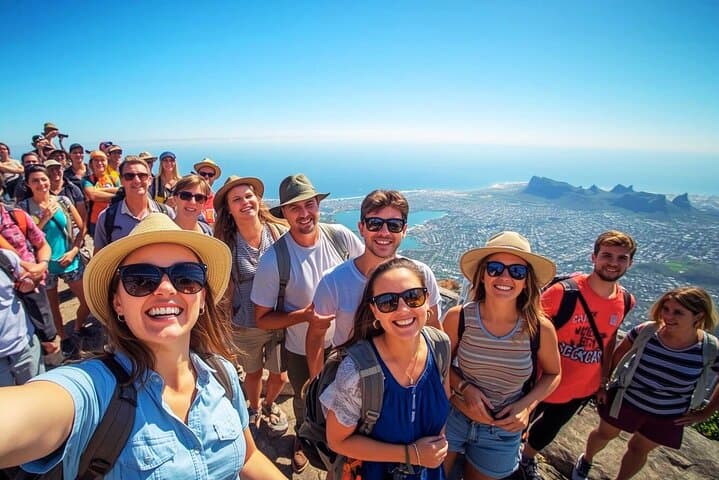
The morning light in Cape Town arrives sharp and immediate: wind scrapes along the waterfront, gulls carve lazy arcs above Table Bay, and the flat crown of Table Mountain sits like a folded blanket watching the city wake. On this shared full-day tour, a minivan peels away from the foreshore and the route unspools—Bo-Kaap’s painted houses flash by, the cable car’s station hugs the escarpment, and the road leans into the ocean on Chapman's Peak Drive. It’s a day that trades a single summit for a string of scenes, each with its own geography and story.
Verified experiences and guided adventures in the surrounding area.
Operated by Up and Down Tours · Cape Town, Western Cape
The morning light in Cape Town arrives sharp and immediate: wind scrapes along the waterfront, gulls carve lazy arcs above Table Bay, and the flat crown of Table Mountain sits like a folded blanket watching the city wake. On this shared full-day tour, a minivan peels away from the foreshore and the route unspools—Bo-Kaap’s painted houses flash by, the cable car’s station hugs the escarpment, and the road leans into the ocean on Chapman's Peak Drive. It’s a day that trades a single summit for a string of scenes, each with its own geography and story.
Geologically, the Cape Peninsula reads like an open book: sandstone cliffs give way to granite outcrops and ancient dunes sculpted by the Atlantic. Table Mountain’s pale sandstone, stacked in flat layers, contrasts with the craggy headlands at Cape Point where waves have bitten deep coves into the coastline. The fynbos—low, flame-colored shrubland—coats the slopes, a botanical kingdom unique to this corner of South Africa and a reminder that the landscape here evolved in isolation.
Culturally the route is equally layered. Bo-Kaap speaks of Cape Malay heritage and spice-scented kitchens; Simon’s Town carries naval stories and sea-salted architecture; Muizenberg still hums with 19th-century surf culture. At Boulders Beach, penguins shuffle like punctuation marks against granite boulders, an improbable urban wildlife encounter that’s been shaped by decades of conservation efforts to reverse a decline in African penguin numbers.
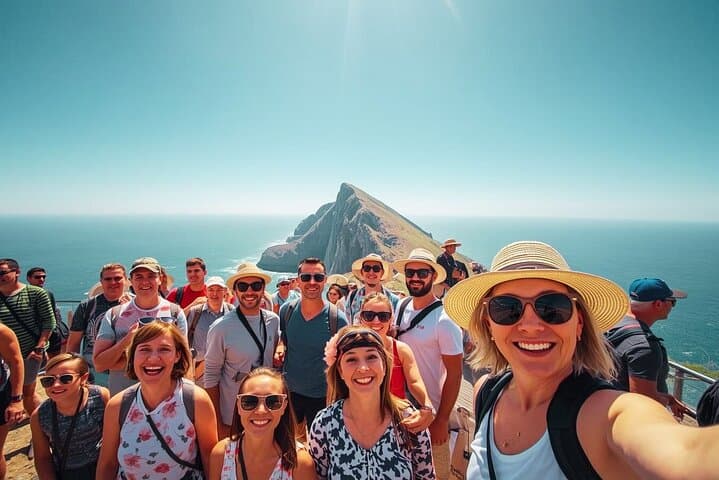
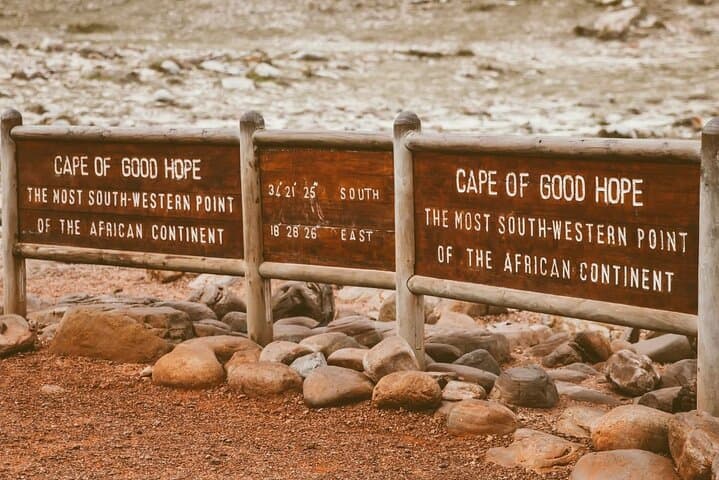
Practicality drives the second half of the narrative. The tour runs about 10 hours with multiple short stops and two longer pauses at Cape Point and Boulders Beach—expect walking on boardwalks, paved viewpoints, and some uneven paths if you explore beyond the designated viewing areas. Bring layered clothing: mornings on Table Mountain can be cool while the False Bay shore warms quickly. Hydration and sun protection matter; the wind can push a chill when you stand at the Cape of Good Hope outlook, but it also clears the air for glassy sea views.
Timing is key: arriving early at Table Mountain avoids cable car queues, and visiting Chapman's Peak mid-morning makes for cleaner light and fewer passing tour buses. Respect fenced penguin areas and keep a courteous distance—these colonies are protected and sensitive to disturbance. A practical pair of walking shoes, a light daypack with water, and a charged phone for photos will cover most needs.
The day is a compact education in Cape Town’s contrasts—rock and ocean, history and ecosystem—and it rewards curiosity. Move between viewpoints with small reverence: the cliffs, the penguins, the road that clings to the mountain—each element pushes you to look a little longer and plan your return with a better map in hand.
moderate.
10 hours.
Moderate fitness for short walks, stair climbs (cable car optional), and standing at viewpoints; comfortable for most active travelers.
Cable car access is typically not included in shared tours—confirm with the operator; some tours disembark at the cable car station but the ride may be an extra cost.
Yes—boardwalks and viewing platforms bring you close without disturbing the colony; swimming near penguins is possible but keep distance and follow signage.
Many stops and the vehicle are accessible, but terrain at some lookouts includes steps and boardwalks; check with the operator about specific accessibility needs.
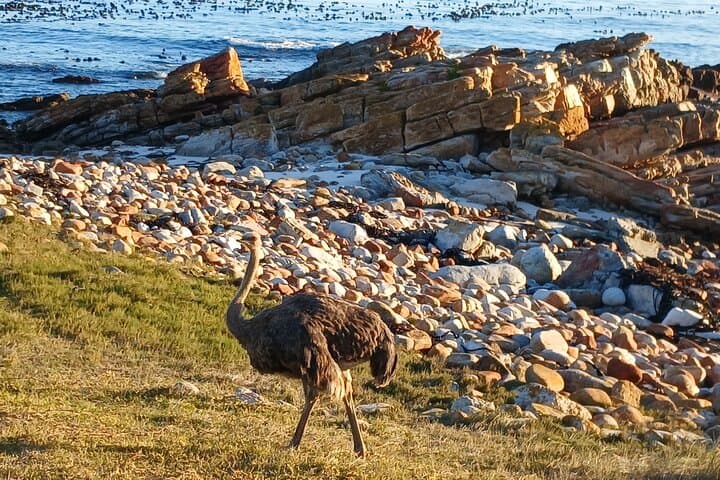
Look for Cape fur seals along rocky shores and seabirds like cormorants and terns; seasonal whale sightings occur offshore (June–November).
Chapman's Peak Drive is an 11 km scenic route with 114 curves; it’s generally open year-round but can close temporarily for maintenance or rockfall risk—check local conditions before travel.
Tipping is customary in South Africa; 10–15% of the tour price or a small cash tip for personalized service is appreciated.
Simon’s Town and Cape Point carry maritime layers—from VOC-era way stations to Victorian naval installations that shaped trade and exploration around the Cape.
Fynbos and penguin colonies are actively managed; stay on paths and respect wildlife to reduce human impact on these sensitive systems.
Up and Down Tours operates guided outdoor trips and adventures with an emphasis on safety, stewardship, and memorable experiences.
The morning light in Cape Town arrives sharp and immediate: wind scrapes along the waterfront, gulls carve lazy arcs above Table Bay, and the flat crown of Table Mountain sits like a folded blanket watching the city wake. On this shared full-day tour, a minivan peels away from the foreshore and the route unspools—Bo-Kaap’s painted houses flash by, the cable car’s station hugs the escarpment, and the road leans into the ocean on Chapman's Peak Drive. It’s a day that trades a single summit for a string of scenes, each with its own geography and story.
The morning light in Cape Town arrives sharp and immediate: wind scrapes along the waterfront, gulls carve lazy arcs above Table Bay, and the flat crown of Table Mountain sits like a folded blanket watching the city wake. On this shared full-day tour, a minivan peels away from the foreshore and the route unspools—Bo-Kaap’s painted houses flash by, the cable car’s station hugs the escarpment, and the road leans into the ocean on Chapman's Peak Drive. It’s a day that trades a single summit for a string of scenes, each with its own geography and story.
Geologically, the Cape Peninsula reads like an open book: sandstone cliffs give way to granite outcrops and ancient dunes sculpted by the Atlantic. Table Mountain’s pale sandstone, stacked in flat layers, contrasts with the craggy headlands at Cape Point where waves have bitten deep coves into the coastline. The fynbos—low, flame-colored shrubland—coats the slopes, a botanical kingdom unique to this corner of South Africa and a reminder that the landscape here evolved in isolation.
Culturally the route is equally layered. Bo-Kaap speaks of Cape Malay heritage and spice-scented kitchens; Simon’s Town carries naval stories and sea-salted architecture; Muizenberg still hums with 19th-century surf culture. At Boulders Beach, penguins shuffle like punctuation marks against granite boulders, an improbable urban wildlife encounter that’s been shaped by decades of conservation efforts to reverse a decline in African penguin numbers.
Practicality drives the second half of the narrative. The tour runs about 10 hours with multiple short stops and two longer pauses at Cape Point and Boulders Beach—expect walking on boardwalks, paved viewpoints, and some uneven paths if you explore beyond the designated viewing areas. Bring layered clothing: mornings on Table Mountain can be cool while the False Bay shore warms quickly. Hydration and sun protection matter; the wind can push a chill when you stand at the Cape of Good Hope outlook, but it also clears the air for glassy sea views.
Timing is key: arriving early at Table Mountain avoids cable car queues, and visiting Chapman's Peak mid-morning makes for cleaner light and fewer passing tour buses. Respect fenced penguin areas and keep a courteous distance—these colonies are protected and sensitive to disturbance. A practical pair of walking shoes, a light daypack with water, and a charged phone for photos will cover most needs.
The day is a compact education in Cape Town’s contrasts—rock and ocean, history and ecosystem—and it rewards curiosity. Move between viewpoints with small reverence: the cliffs, the penguins, the road that clings to the mountain—each element pushes you to look a little longer and plan your return with a better map in hand.