THE ADVENTURE COLLECTIVE® · Independent discovery and booking for outdoor travel

This full-day coastal loop from Table Mountain to the Cape of Good Hope packs geology, colonial history, fynbos and a penguin colony into an eight-hour exploration of South Africa’s dramatic peninsula. Expect sweeping viewpoints, short coastal walks and vivid cultural stops in Bo-Kaap and Simon’s Town.
This full-day coastal loop from Table Mountain to the Cape of Good Hope packs geology, colonial history, fynbos and a penguin colony into an eight-hour exploration of South Africa’s dramatic peninsula. Expect sweeping viewpoints, short coastal walks and vivid cultural stops in Bo-Kaap and Simon’s Town.
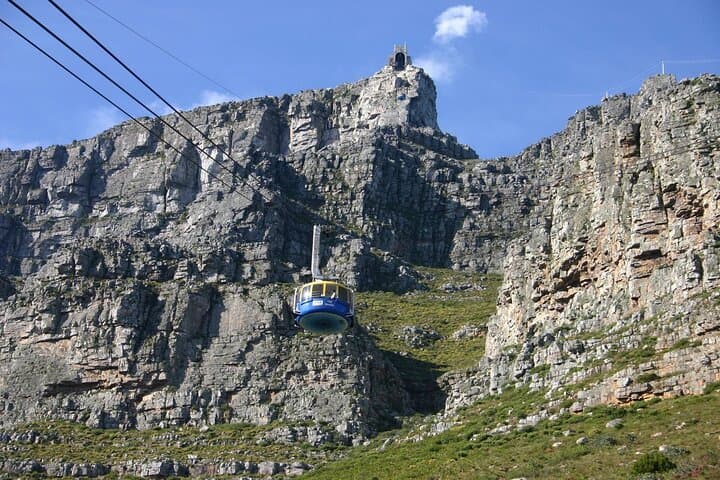
Morning light spills across Signal Hill and the city wakes with a metallic shimmer: glass buildings pick up the first rays, gulls wheel over the harbor, the Atlantic breathes cold and clear. A coach eases out of Cape Town and the road slides west, then south, climbing to the cableway station where Table Mountain sits like an old, patient giant. The flat top invites a slow inspection—rock faces clenched with fynbos, wind that seems to push you back so you can better lean into the view.
Verified experiences and guided adventures in the surrounding area.
Operated by Glorious Cape Tours · Cape Town, Western Cape
Morning light spills across Signal Hill and the city wakes with a metallic shimmer: glass buildings pick up the first rays, gulls wheel over the harbor, the Atlantic breathes cold and clear. A coach eases out of Cape Town and the road slides west, then south, climbing to the cableway station where Table Mountain sits like an old, patient giant. The flat top invites a slow inspection—rock faces clenched with fynbos, wind that seems to push you back so you can better lean into the view.
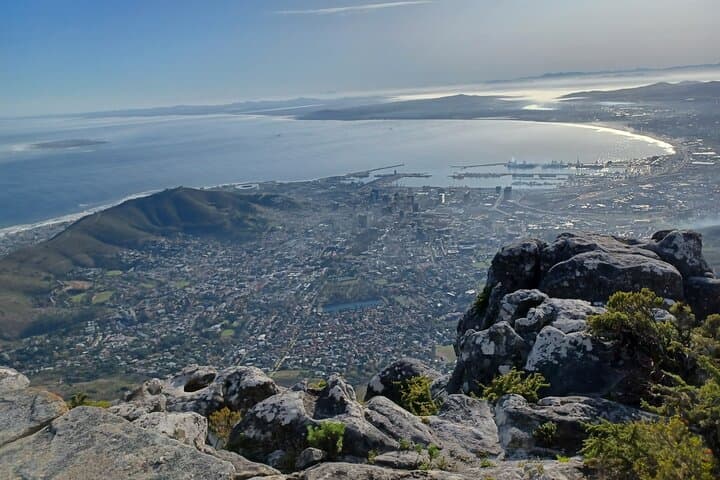
The day moves like a stitched map of South African history and geology. Table Mountain’s sandstones were born more than 500 million years ago and lifted by tectonic motion to 1,067 meters. From the summit, where wind and clouds play at different speeds, one can trace the line of coastline down to the dramatic sweep of Chapman's Peak Drive, carved through iron-rich rock that flashes rust tones at certain angles. The tour threads through Camps Bay and Hout Bay—suburbs that show Cape Town’s coastal glamour and its maritime legacy—before running the engineered ribbon of Chapman's Peak and easing into the village life of Noordhoek and Simon’s Town.
At Boulders Beach the rhythm changes: African penguins bray and totter among granite boulders, unaware they are major celebrities. Further south, the Cape of Good Hope and Cape Point deliver the raw headlands early explorers feared and revered; cliffs drop to white surf and the lighthouse keeps watch where sailors once recalibrated maps of the globe.
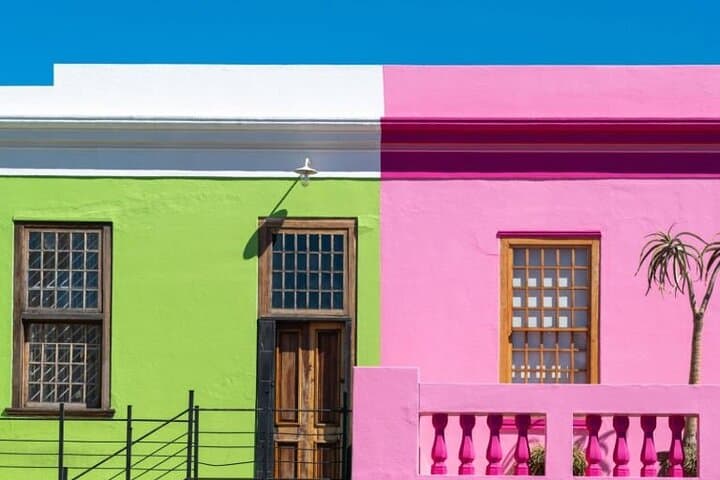
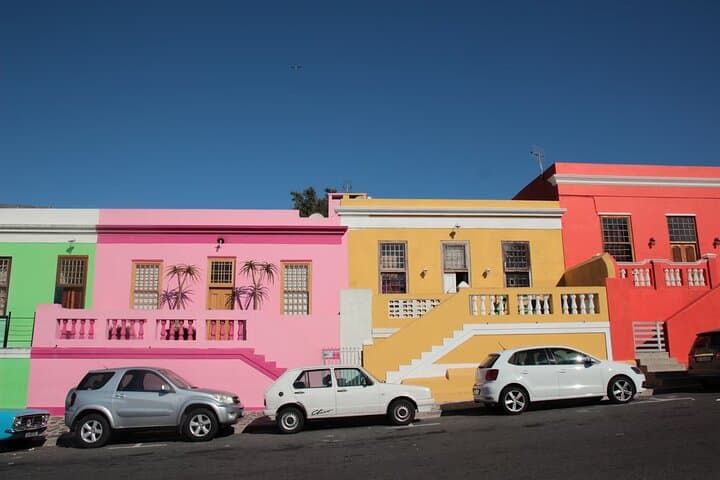
Culturally the trip stops at Bo-Kaap, a neighbourhood with 300 years of Cape Malay heritage. Its painted houses and cobbled lanes are more than a photo backdrop; they’re living reminders of migration, trade, and culinary fusion—the Cape Malay curries and sweetkoekies that still flavor the streets.
Practical guidance: this is a long day—expect eight hours with guided stops and short walks. Pack layers for wind and sun, sturdy shoes for uneven coastal paths, and a refillable water bottle. The tour supplies bottled water, a licensed driver-guide, hotel pickup and drop-off, and transport in an air-conditioned vehicle. Admission fees for the Table Mountain cableway or national park entry are not always included—check your booking. Bring cash or card for modest purchases at craft stalls and the coffee roastery in Noordhoek.
Timing matters: mornings usually have clearer views atop Table Mountain; afternoons can bring cloud and strengthening winds. Respect wildlife viewing rules at Boulders—stay on the boardwalks and don’t feed animals. For photographers, light at the western edge of the peninsula (Camps Bay/Chapman’s Peak) makes for dramatic silhouettes; sunrise at Table Mountain and late-afternoon glow at Cape Point are especially rewarding.
By day’s end the coastline has rearranged itself in memory: cliffs that dared you forward, penguins that owned a corner of the world, and a mountain whose flat top keeps watch over a city that moves between ocean and sky.
easy.
8 hours.
Suitable for people comfortable with short walks (10–60 minutes) and some standing; minimal sustained fitness required.
Cableway admission is not always included—check your booking confirmation; if it’s excluded, you can purchase tickets on-site subject to availability and weather.
Yes—Boulders Beach boardwalks allow close viewing without disturbing the birds; interactions and feeding are prohibited to protect the colony.
The itinerary notes stroller accessibility and infant seats are available, but some stops include uneven surfaces and short walks, so a carrier may be more practical.
Not automatically—some tours include park fees while others do not; confirm at booking and carry a card or cash for any on-site payments.
Operators may cancel in poor weather for safety—refunds follow the standard cancellation policy (full refund if cancelled at least 24 hours before departure).
Expect short walks from viewpoints and boardwalks (10–60 minutes at most); the day is primarily road-based with several short, scenic hikes.
The Cape served as a key resupply point for European ships since the 15th century—Bartholomew Diaz first rounded the coast in 1488 and later explorers helped establish Cape Town as a maritime hub.
The Cape Floral Kingdom is a globally unique biodiversity hotspot; visitors should stick to trails and boardwalks to protect fragile fynbos and to avoid stressing native wildlife such as the endangered African penguin.
Glorious Cape Tours operates guided outdoor trips and adventures with an emphasis on safety, stewardship, and memorable experiences.
Morning light spills across Signal Hill and the city wakes with a metallic shimmer: glass buildings pick up the first rays, gulls wheel over the harbor, the Atlantic breathes cold and clear. A coach eases out of Cape Town and the road slides west, then south, climbing to the cableway station where Table Mountain sits like an old, patient giant. The flat top invites a slow inspection—rock faces clenched with fynbos, wind that seems to push you back so you can better lean into the view.
Morning light spills across Signal Hill and the city wakes with a metallic shimmer: glass buildings pick up the first rays, gulls wheel over the harbor, the Atlantic breathes cold and clear. A coach eases out of Cape Town and the road slides west, then south, climbing to the cableway station where Table Mountain sits like an old, patient giant. The flat top invites a slow inspection—rock faces clenched with fynbos, wind that seems to push you back so you can better lean into the view.
The day moves like a stitched map of South African history and geology. Table Mountain’s sandstones were born more than 500 million years ago and lifted by tectonic motion to 1,067 meters. From the summit, where wind and clouds play at different speeds, one can trace the line of coastline down to the dramatic sweep of Chapman's Peak Drive, carved through iron-rich rock that flashes rust tones at certain angles. The tour threads through Camps Bay and Hout Bay—suburbs that show Cape Town’s coastal glamour and its maritime legacy—before running the engineered ribbon of Chapman's Peak and easing into the village life of Noordhoek and Simon’s Town.
At Boulders Beach the rhythm changes: African penguins bray and totter among granite boulders, unaware they are major celebrities. Further south, the Cape of Good Hope and Cape Point deliver the raw headlands early explorers feared and revered; cliffs drop to white surf and the lighthouse keeps watch where sailors once recalibrated maps of the globe.
Culturally the trip stops at Bo-Kaap, a neighbourhood with 300 years of Cape Malay heritage. Its painted houses and cobbled lanes are more than a photo backdrop; they’re living reminders of migration, trade, and culinary fusion—the Cape Malay curries and sweetkoekies that still flavor the streets.
Practical guidance: this is a long day—expect eight hours with guided stops and short walks. Pack layers for wind and sun, sturdy shoes for uneven coastal paths, and a refillable water bottle. The tour supplies bottled water, a licensed driver-guide, hotel pickup and drop-off, and transport in an air-conditioned vehicle. Admission fees for the Table Mountain cableway or national park entry are not always included—check your booking. Bring cash or card for modest purchases at craft stalls and the coffee roastery in Noordhoek.
Timing matters: mornings usually have clearer views atop Table Mountain; afternoons can bring cloud and strengthening winds. Respect wildlife viewing rules at Boulders—stay on the boardwalks and don’t feed animals. For photographers, light at the western edge of the peninsula (Camps Bay/Chapman’s Peak) makes for dramatic silhouettes; sunrise at Table Mountain and late-afternoon glow at Cape Point are especially rewarding.
By day’s end the coastline has rearranged itself in memory: cliffs that dared you forward, penguins that owned a corner of the world, and a mountain whose flat top keeps watch over a city that moves between ocean and sky.