THE ADVENTURE COLLECTIVE® · Independent discovery and booking for outdoor travel

Combine a rotating cable car ascent to Table Mountain’s wind‑scoured summit with a guided visit to Robben Island. This full‑day tour mixes dramatic coastal vistas, unique fynbos ecology and a powerful chapter of South African history.
Combine a rotating cable car ascent to Table Mountain’s wind‑scoured summit with a guided visit to Robben Island. This full‑day tour mixes dramatic coastal vistas, unique fynbos ecology and a powerful chapter of South African history.
Morning light cuts across the Atlantic as you move from Cape Town’s city centre toward the low hum of the Table Mountain cable car.
The rotating floor lifts you from sea level to about 1,086 m in minutes; below, the city grid and coastline compress into a mosaic of roofs and breakers. At the summit, wind and fynbos claim the air — short, scrubby plants stubbornly clinging to sandstone ridges — while sweeping viewpoints make it easy to feel the scale of Table Bay.
History follows the skyline. Table Mountain National Park protects unique Cape Floristic vegetation while Robben Island sits offshore as a site of deep political memory: a former leper colony, military station and the prison where Nelson Mandela and other anti‑apartheid leaders were held.
Geology is plain beneath your feet — flat, erosion‑sculpted sandstone slab atop younger shales — and the ferry crossing to Robben Island frames the city against sky, a moving portrait of ocean and industry.
Practicalities matter: the full‑day itinerary typically runs seven hours with guided time at the summit and a guided Robben Island visit led by former inmates. Expect paved paths on the summit and short uneven sections; the ferry crossing is roughly 30–45 minutes (subject to weather). Bring layered clothing for sudden wind and chill, a sun hat, sturdy shoes for short climbs and ID for island entry. Book mornings to avoid afternoon swells and crowds; bottled water is usually provided, but a reusable bottle is smart. This trip pairs dramatic natural vistas with sobering history, offering both easy access to Cape Town’s most iconic mountain and a guided, meaningful visit to Robben Island.
Verified experiences and guided adventures in the surrounding area.
Operated by Philippe Travel Tours · Cape Town, Western Cape
Morning light cuts across the Atlantic as you move from Cape Town’s city centre toward the low hum of the Table Mountain cable car.
The rotating floor lifts you from sea level to about 1,086 m in minutes; below, the city grid and coastline compress into a mosaic of roofs and breakers. At the summit, wind and fynbos claim the air — short, scrubby plants stubbornly clinging to sandstone ridges — while sweeping viewpoints make it easy to feel the scale of Table Bay.
History follows the skyline. Table Mountain National Park protects unique Cape Floristic vegetation while Robben Island sits offshore as a site of deep political memory: a former leper colony, military station and the prison where Nelson Mandela and other anti‑apartheid leaders were held.
Geology is plain beneath your feet — flat, erosion‑sculpted sandstone slab atop younger shales — and the ferry crossing to Robben Island frames the city against sky, a moving portrait of ocean and industry.
Practicalities matter: the full‑day itinerary typically runs seven hours with guided time at the summit and a guided Robben Island visit led by former inmates. Expect paved paths on the summit and short uneven sections; the ferry crossing is roughly 30–45 minutes (subject to weather). Bring layered clothing for sudden wind and chill, a sun hat, sturdy shoes for short climbs and ID for island entry. Book mornings to avoid afternoon swells and crowds; bottled water is usually provided, but a reusable bottle is smart. This trip pairs dramatic natural vistas with sobering history, offering both easy access to Cape Town’s most iconic mountain and a guided, meaningful visit to Robben Island.
easy.
7 hours.
Suitable for most fitness levels; requires short walks and some standing during guided visits.
Yes — the itinerary notes wheelchair accessibility for key areas, though accessibility on Robben Island and some summit viewpoints can vary; notify the operator in advance.
Ferry crossings generally take about 30–45 minutes each way, depending on sea and weather conditions.
Yes, a passport or valid national ID is typically required for Robben Island entry and ferry boarding — keep your documents handy.
No — the cableway provides easy access to the summit, and most visitor paths are short and moderate; uneven surfaces exist, so expect light walking.
Robben Island served multiple roles across centuries — indigenous, colonial and carceral — and its prison became internationally known during the apartheid era; Table Mountain is part of the Cape Floristic Region and a UNESCO site for its biodiversity.
Table Mountain National Park manages sensitive fynbos habitats and erosion; visitors are asked to stick to paths, avoid picking plants and limit single‑use plastics to reduce impact.
Philippe Travel Tours operates guided outdoor trips and adventures with an emphasis on safety, stewardship, and memorable experiences.
Morning light cuts across the Atlantic as you move from Cape Town’s city centre toward the low hum of the Table Mountain cable car.
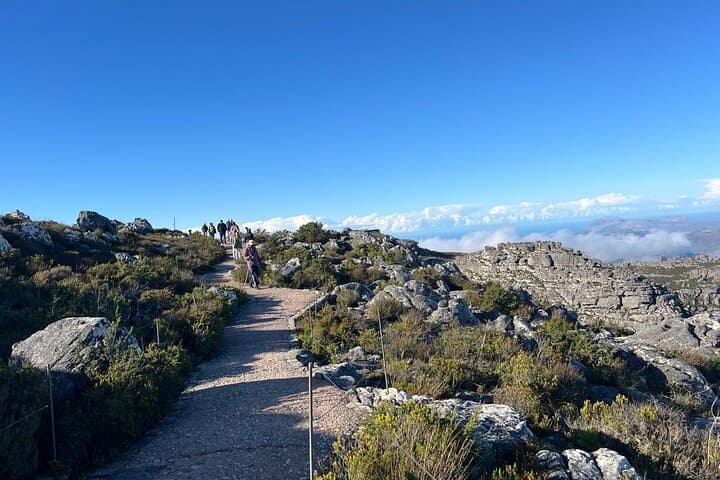
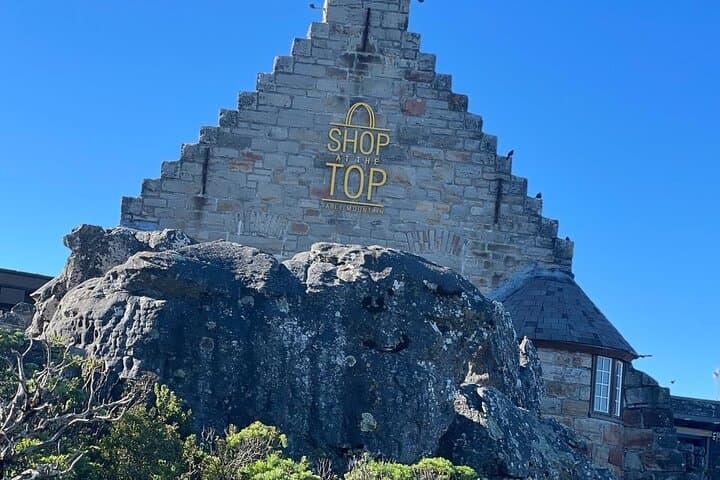
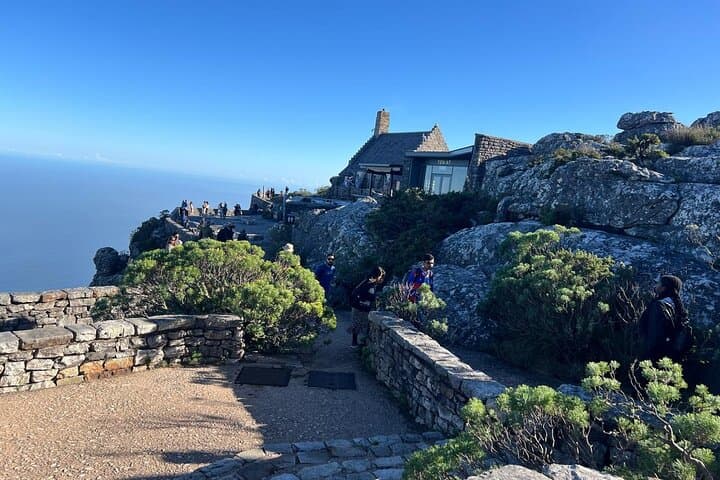
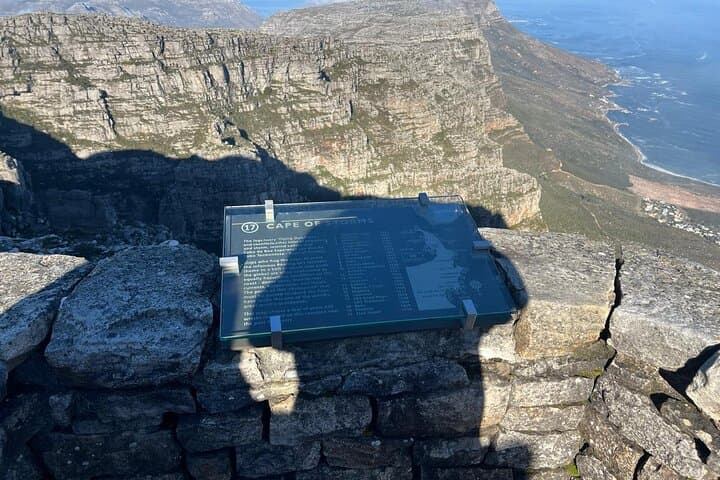
The rotating floor lifts you from sea level to about 1,086 m in minutes; below, the city grid and coastline compress into a mosaic of roofs and breakers. At the summit, wind and fynbos claim the air — short, scrubby plants stubbornly clinging to sandstone ridges — while sweeping viewpoints make it easy to feel the scale of Table Bay.
History follows the skyline. Table Mountain National Park protects unique Cape Floristic vegetation while Robben Island sits offshore as a site of deep political memory: a former leper colony, military station and the prison where Nelson Mandela and other anti‑apartheid leaders were held.
Geology is plain beneath your feet — flat, erosion‑sculpted sandstone slab atop younger shales — and the ferry crossing to Robben Island frames the city against sky, a moving portrait of ocean and industry.
Practicalities matter: the full‑day itinerary typically runs seven hours with guided time at the summit and a guided Robben Island visit led by former inmates. Expect paved paths on the summit and short uneven sections; the ferry crossing is roughly 30–45 minutes (subject to weather). Bring layered clothing for sudden wind and chill, a sun hat, sturdy shoes for short climbs and ID for island entry. Book mornings to avoid afternoon swells and crowds; bottled water is usually provided, but a reusable bottle is smart. This trip pairs dramatic natural vistas with sobering history, offering both easy access to Cape Town’s most iconic mountain and a guided, meaningful visit to Robben Island.
Morning light cuts across the Atlantic as you move from Cape Town’s city centre toward the low hum of the Table Mountain cable car.
The rotating floor lifts you from sea level to about 1,086 m in minutes; below, the city grid and coastline compress into a mosaic of roofs and breakers. At the summit, wind and fynbos claim the air — short, scrubby plants stubbornly clinging to sandstone ridges — while sweeping viewpoints make it easy to feel the scale of Table Bay.
History follows the skyline. Table Mountain National Park protects unique Cape Floristic vegetation while Robben Island sits offshore as a site of deep political memory: a former leper colony, military station and the prison where Nelson Mandela and other anti‑apartheid leaders were held.
Geology is plain beneath your feet — flat, erosion‑sculpted sandstone slab atop younger shales — and the ferry crossing to Robben Island frames the city against sky, a moving portrait of ocean and industry.
Practicalities matter: the full‑day itinerary typically runs seven hours with guided time at the summit and a guided Robben Island visit led by former inmates. Expect paved paths on the summit and short uneven sections; the ferry crossing is roughly 30–45 minutes (subject to weather). Bring layered clothing for sudden wind and chill, a sun hat, sturdy shoes for short climbs and ID for island entry. Book mornings to avoid afternoon swells and crowds; bottled water is usually provided, but a reusable bottle is smart. This trip pairs dramatic natural vistas with sobering history, offering both easy access to Cape Town’s most iconic mountain and a guided, meaningful visit to Robben Island.