THE ADVENTURE COLLECTIVE® · Independent discovery and booking for outdoor travel

Ride a rotating cable car to the flat-topped summit of Table Mountain for sweeping views of Cape Town, Robben Island and the Atlantic. This half-day experience pairs easy summit walks and rare fynbos with quick practical access — ideal for families and first-time visitors.
Ride a rotating cable car to the flat-topped summit of Table Mountain for sweeping views of Cape Town, Robben Island and the Atlantic. This half-day experience pairs easy summit walks and rare fynbos with quick practical access — ideal for families and first-time visitors.
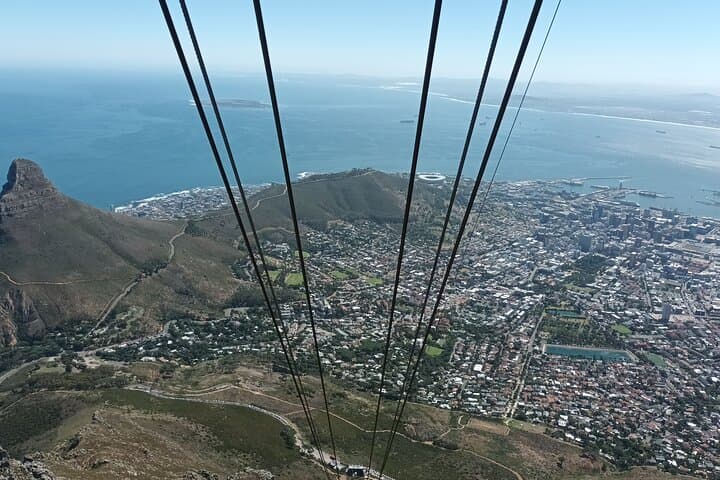
You step off the rotating cable car and the city exhales beneath you — Cape Town spreads in tidy blocks, the Atlantic brakes against rocky headlands, and the wind on the plateau nudges you toward the edge. Table Mountain doesn’t demand theatricality; its flat crown simply offers a ledger of place: ocean, city, and a fynbos floral kingdom that refuses to be ignored.
Verified experiences and guided adventures in the surrounding area.
Operated by Figo Travel and Tours · Cape Town, Western Cape
You step off the rotating cable car and the city exhales beneath you — Cape Town spreads in tidy blocks, the Atlantic brakes against rocky headlands, and the wind on the plateau nudges you toward the edge. Table Mountain doesn’t demand theatricality; its flat crown simply offers a ledger of place: ocean, city, and a fynbos floral kingdom that refuses to be ignored.
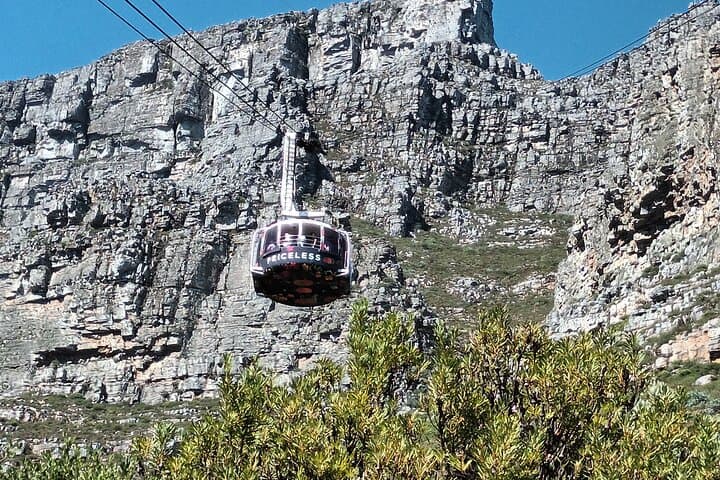
The plateau is geological autobiography. Strata of Table Mountain Sandstone stand like pages turned slowly by eons of wind and water, and the summit’s flatness owes itself to layers of hard quartzitic stone that resisted erosion while valleys were carved away. Sailors once used the mountain as a navigational mast; later, the peak became an emblem in the age of Cape trade and empire. Today the cable car — a rotating capsule that gives a 360° reveal as it lifts — is the easiest page to read: three hours of arrival, summit strolls, and return that package history, geology, and culture into a compact experience.
Fynbos rules the plateau. This UNESCO-protected floral kingdom blooms in dramatic seasonal displays; tiny proteas and ericas punch above the stone, and small mammals like rock hyraxes — locally called dassies — sun themselves on ledges as if posing for your photo. Guides stationed on the summit point out Maclear’s Beacon, the trig point that marks the true high ground, and trade local legends: shipwrecks, colonial expeditions and the mountain’s place in Xhosa and Khoikhoi oral traditions.
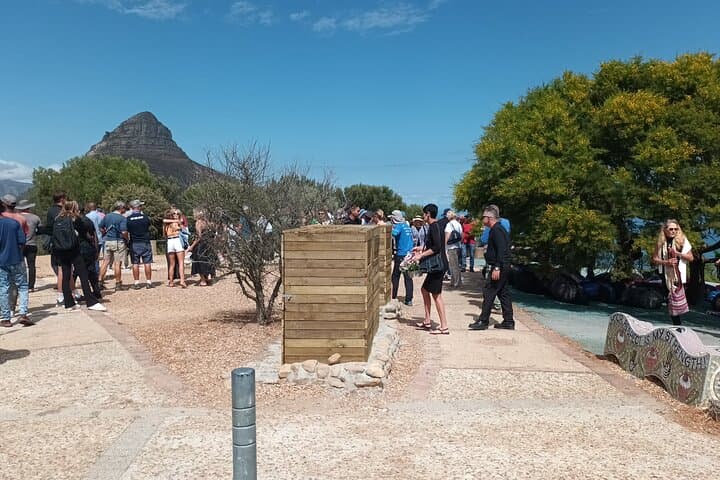
The summit trails range from short boardwalk loops to paths that lead to outlooks over Camps Bay and Robben Island. Bring a short list of priorities and time: catch sunrise if you can — the city’s lights wink out and the sea hardens from silver to deep blue — or aim for sunset when the west-face becomes a study in ochre.
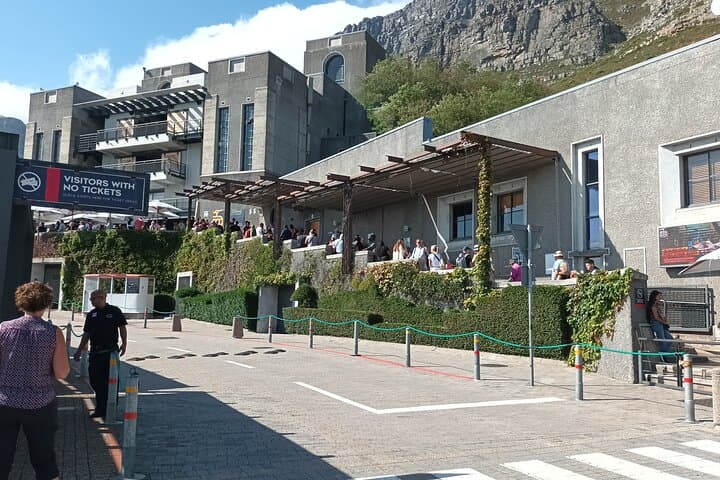
Practical details are straightforward. Tickets are delivered electronically; the cable car operates frequently but queues swell at peak times and in high wind the car is temporarily halted. The plateau is exposed: dress in layers, carry water, and plan for sudden weather changes. For families and less-mobile travelers the cable car and many summit walkways are wheelchair-accessible, but those with cardiovascular concerns should consult health advice before riding.
In short: the half-day cable car is a high-reward, low-effort way to stand above one of the world’s great coastal cities, learn a compact history of land and people, and walk through a botanical world found nowhere else. With good timing and basic planning, the summit feels less like a tourist stop and more like a quick, profound interface with place.
easy.
2–3 hours.
Suitable for most fitness levels; involves short, mostly flat walks on the summit and standing in the cable car.
No — mobile tickets are accepted; have your confirmation and phone available for quick scanning.
Yes — the cable car and many summit walkways are wheelchair-accessible, though some paths have steps or uneven surfaces.
Operations pause in high winds; operators will advise refund or rescheduling options; plan flexibility into your day.
Yes — routes like Platteklip Gorge lead to the summit for experienced hikers, but this ticket covers the cable car return only.
Guides are available on the summit to share flora, fauna and history, but private guided hikes are separate services.
Yes — the experience is family-friendly and suitable for most ages, though infants must sit on laps and those with heart problems should avoid the ride.
Table Mountain was a key maritime landmark for centuries and holds cultural significance for local Khoikhoi and Xhosa peoples; it’s now part of the Cape Floral Kingdom UNESCO site.
The plateau’s fynbos is fire-adapted but threatened by invasive plants and trampling; stick to trails and follow park guidance to protect endemic species.
Figo Travel and Tours operates guided outdoor trips and adventures with an emphasis on safety, stewardship, and memorable experiences.
You step off the rotating cable car and the city exhales beneath you — Cape Town spreads in tidy blocks, the Atlantic brakes against rocky headlands, and the wind on the plateau nudges you toward the edge. Table Mountain doesn’t demand theatricality; its flat crown simply offers a ledger of place: ocean, city, and a fynbos floral kingdom that refuses to be ignored.
You step off the rotating cable car and the city exhales beneath you — Cape Town spreads in tidy blocks, the Atlantic brakes against rocky headlands, and the wind on the plateau nudges you toward the edge. Table Mountain doesn’t demand theatricality; its flat crown simply offers a ledger of place: ocean, city, and a fynbos floral kingdom that refuses to be ignored.
The plateau is geological autobiography. Strata of Table Mountain Sandstone stand like pages turned slowly by eons of wind and water, and the summit’s flatness owes itself to layers of hard quartzitic stone that resisted erosion while valleys were carved away. Sailors once used the mountain as a navigational mast; later, the peak became an emblem in the age of Cape trade and empire. Today the cable car — a rotating capsule that gives a 360° reveal as it lifts — is the easiest page to read: three hours of arrival, summit strolls, and return that package history, geology, and culture into a compact experience.
Fynbos rules the plateau. This UNESCO-protected floral kingdom blooms in dramatic seasonal displays; tiny proteas and ericas punch above the stone, and small mammals like rock hyraxes — locally called dassies — sun themselves on ledges as if posing for your photo. Guides stationed on the summit point out Maclear’s Beacon, the trig point that marks the true high ground, and trade local legends: shipwrecks, colonial expeditions and the mountain’s place in Xhosa and Khoikhoi oral traditions.
The summit trails range from short boardwalk loops to paths that lead to outlooks over Camps Bay and Robben Island. Bring a short list of priorities and time: catch sunrise if you can — the city’s lights wink out and the sea hardens from silver to deep blue — or aim for sunset when the west-face becomes a study in ochre.
Practical details are straightforward. Tickets are delivered electronically; the cable car operates frequently but queues swell at peak times and in high wind the car is temporarily halted. The plateau is exposed: dress in layers, carry water, and plan for sudden weather changes. For families and less-mobile travelers the cable car and many summit walkways are wheelchair-accessible, but those with cardiovascular concerns should consult health advice before riding.
In short: the half-day cable car is a high-reward, low-effort way to stand above one of the world’s great coastal cities, learn a compact history of land and people, and walk through a botanical world found nowhere else. With good timing and basic planning, the summit feels less like a tourist stop and more like a quick, profound interface with place.