THE ADVENTURE COLLECTIVE® · Independent discovery and booking for outdoor travel

Ride the cable car to Table Mountain for sweeping city and ocean views, then descend into the Constantia Valley for cellar tours and tastings at historic estates. This compact private tour stitches geology, culture, and Cape wines into a single half-day experience.
Ride the cable car to Table Mountain for sweeping city and ocean views, then descend into the Constantia Valley for cellar tours and tastings at historic estates. This compact private tour stitches geology, culture, and Cape wines into a single half-day experience.
The cable car glass spins and the city falls away: a sprawl of red roofs, a slice of ocean, and Robben Island like a gray coin off the Atlantic shoulder. At the summit of Table Mountain the wind has a way of rearranging plans — it presses against jackets, shoves a camera strap, and forces you to widen your stance to take in the view. This half-day loop, which pairs a Table Mountain cable car ascent with two of Constantia's oldest wine estates, compresses two very different Cape Town experiences into one practical itinerary.
Verified experiences and guided adventures in the surrounding area.
Operated by Cape Excellent Travel & Tours · Cape Town, Western Cape
The cable car glass spins and the city falls away: a sprawl of red roofs, a slice of ocean, and Robben Island like a gray coin off the Atlantic shoulder. At the summit of Table Mountain the wind has a way of rearranging plans — it presses against jackets, shoves a camera strap, and forces you to widen your stance to take in the view. This half-day loop, which pairs a Table Mountain cable car ascent with two of Constantia's oldest wine estates, compresses two very different Cape Town experiences into one practical itinerary.
Table Mountain is granite and sandstone worn flat by millions of years; its plateau sits roughly 1,085 meters above sea level and reads as a natural map of the peninsula below. The tour’s drive-through city stop at Bo-Kaap gives a quick cultural primer: Cape Malay history, brightly painted houses, and the aroma of spice markets that trace back to 17th-century Indonesian and Malaysian settlers brought here by the Dutch East India Company.
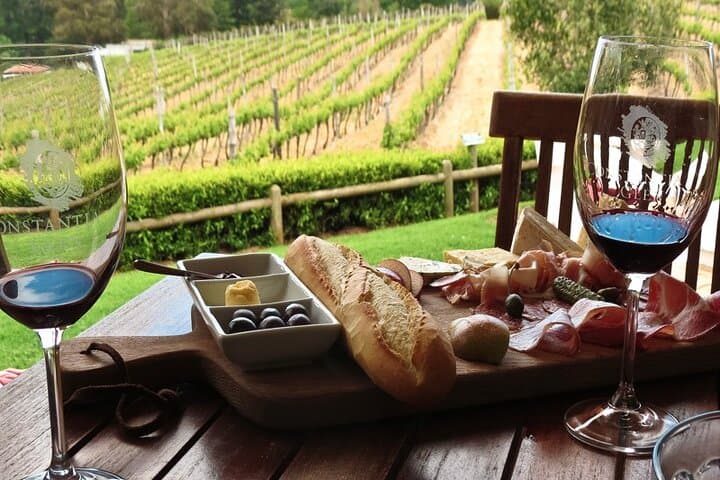
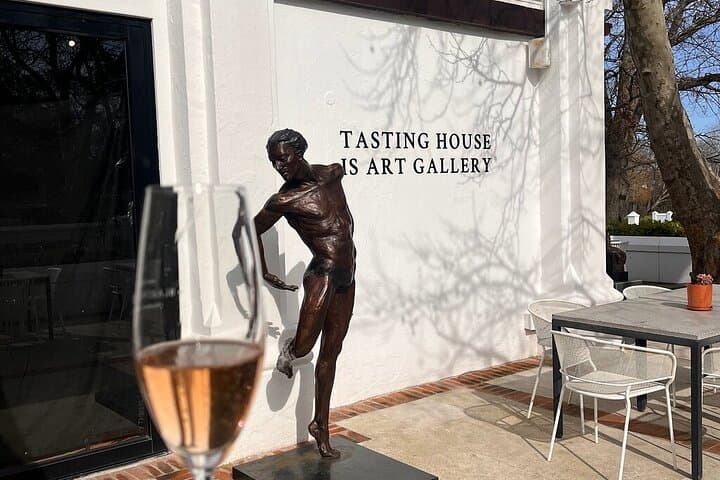
Heading south, the scene softens into the Constantia Valley — one of the southern hemisphere’s oldest wine regions. Groot Constantia, established in 1685, is both museum and working estate: cellar tours explain Cape wine’s Dutch roots and the evolution of chenin blanc, while Constantia Glen offers a more modern tasting experience among rows of vines framed by the Constantiaberg.
The geology tells the same layered story: Table Mountain’s flat crown and the valley’s rolling alluvial soils make for photogenic contrast and for wine grapes with distinctive minerality. Local guides on the tour stitch together these threads, offering concise context about land use, irrigation, and why mountain mists can mean better grapes.
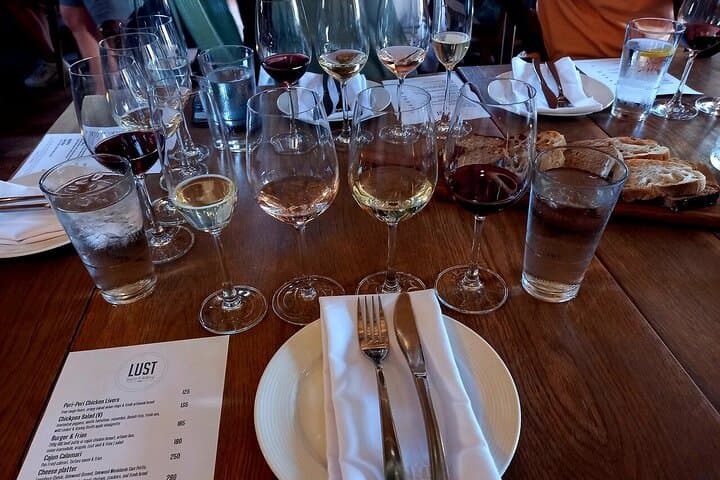
Practical guidance: the tour runs about 4.5 hours. Cable car tickets are not included and are weather-dependent; buy them online when possible. Wear closed-toe shoes for stability on the plateau and a windproof layer — the summit is often several degrees colder and much breezier than the city. Bring ID for wine tastings; South Africa’s legal drinking age is 18, and tastings typically last 20–30 minutes per estate. If you want fewer crowds on Table Mountain, request an early pick-up.
Accessibility is straightforward: the drive covers major scenic points with short, guided stops rather than long hikes, making this suitable for most fitness levels. Beyond the photos and the glasses of sauvignon blanc, this tour compresses Cape Town’s geology, culture, and culinary craft into a single, manageable morning or afternoon — a compact way to understand why the city’s landscape and history are inseparable.
easy.
4–5 hours.
Suitable for most fitness levels; involves short walks and standing during tastings and at viewpoints.
No, cable car tickets are not included; you should book them separately online and check weather conditions on the day.
Yes, the tour offers pickup anywhere in central Cape Town; confirm your pickup point when booking.
Typical tastings last 20–30 minutes per estate, though cellar tours can add additional time — expect 60–90 minutes at each winery visited.
Yes, the tour is family-friendly; infants must sit on an adult’s lap as per provider policy.
Full refunds are available if you cancel at least 24 hours before departure; check your booking confirmation for specifics.
The tour includes brief, mostly level walks and vehicle transfers; those with limited mobility should notify the operator in advance to discuss accessibility needs.
Groot Constantia was established in 1685 and is one of South Africa's earliest and most influential wine estates, reflecting Dutch colonial agricultural practices.
Table Mountain National Park manages invasive plants and erosion control; when visiting stay on designated paths and support estates that practice water-wise and organic viticulture.
Cape Excellent Travel & Tours operates guided outdoor trips and adventures with an emphasis on safety, stewardship, and memorable experiences.
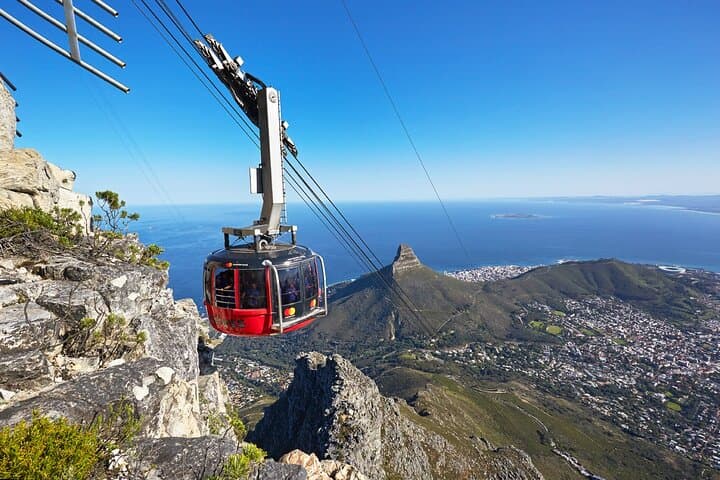
The cable car glass spins and the city falls away: a sprawl of red roofs, a slice of ocean, and Robben Island like a gray coin off the Atlantic shoulder. At the summit of Table Mountain the wind has a way of rearranging plans — it presses against jackets, shoves a camera strap, and forces you to widen your stance to take in the view. This half-day loop, which pairs a Table Mountain cable car ascent with two of Constantia's oldest wine estates, compresses two very different Cape Town experiences into one practical itinerary.
The cable car glass spins and the city falls away: a sprawl of red roofs, a slice of ocean, and Robben Island like a gray coin off the Atlantic shoulder. At the summit of Table Mountain the wind has a way of rearranging plans — it presses against jackets, shoves a camera strap, and forces you to widen your stance to take in the view. This half-day loop, which pairs a Table Mountain cable car ascent with two of Constantia's oldest wine estates, compresses two very different Cape Town experiences into one practical itinerary.
Table Mountain is granite and sandstone worn flat by millions of years; its plateau sits roughly 1,085 meters above sea level and reads as a natural map of the peninsula below. The tour’s drive-through city stop at Bo-Kaap gives a quick cultural primer: Cape Malay history, brightly painted houses, and the aroma of spice markets that trace back to 17th-century Indonesian and Malaysian settlers brought here by the Dutch East India Company.
Heading south, the scene softens into the Constantia Valley — one of the southern hemisphere’s oldest wine regions. Groot Constantia, established in 1685, is both museum and working estate: cellar tours explain Cape wine’s Dutch roots and the evolution of chenin blanc, while Constantia Glen offers a more modern tasting experience among rows of vines framed by the Constantiaberg.
The geology tells the same layered story: Table Mountain’s flat crown and the valley’s rolling alluvial soils make for photogenic contrast and for wine grapes with distinctive minerality. Local guides on the tour stitch together these threads, offering concise context about land use, irrigation, and why mountain mists can mean better grapes.
Practical guidance: the tour runs about 4.5 hours. Cable car tickets are not included and are weather-dependent; buy them online when possible. Wear closed-toe shoes for stability on the plateau and a windproof layer — the summit is often several degrees colder and much breezier than the city. Bring ID for wine tastings; South Africa’s legal drinking age is 18, and tastings typically last 20–30 minutes per estate. If you want fewer crowds on Table Mountain, request an early pick-up.
Accessibility is straightforward: the drive covers major scenic points with short, guided stops rather than long hikes, making this suitable for most fitness levels. Beyond the photos and the glasses of sauvignon blanc, this tour compresses Cape Town’s geology, culture, and culinary craft into a single, manageable morning or afternoon — a compact way to understand why the city’s landscape and history are inseparable.