THE ADVENTURE COLLECTIVE® · Independent discovery and booking for outdoor travel

Conquer Tà Chì Nhù in a two‑day guided trek that climbs from terraced highlands to a sunrise summit above the clouds. This trip pairs steep, exposed hiking with local homestays, on‑trail support and a restorative hot‑spring soak.
Conquer Tà Chì Nhù in a two‑day guided trek that climbs from terraced highlands to a sunrise summit above the clouds. This trip pairs steep, exposed hiking with local homestays, on‑trail support and a restorative hot‑spring soak.
A cold wind pushes across the ridgeline before dawn as headlamps sweep the trail—this is the final push toward Tà Chì Nhù’s summit. On a two‑day, one‑night route from Trạm Tấu, trekkers move from terraced Hmong fields into open grassy slopes, then up steep, exposed ridges where the sky opens into a sea of clouds at sunrise.
Verified experiences and guided adventures in the surrounding area.
Operated by Authentic PHU QUOC · Trạm Tấu, Yên Bái
A cold wind pushes across the ridgeline before dawn as headlamps sweep the trail—this is the final push toward Tà Chì Nhù’s summit. On a two‑day, one‑night route from Trạm Tấu, trekkers move from terraced Hmong fields into open grassy slopes, then up steep, exposed ridges where the sky opens into a sea of clouds at sunrise.
The mountain sits in Yên Bái province, an area shaped by tectonic uplift and long erosion that carved steep valleys and grassy domes. Ethnic Hmong and Thái communities have farmed these slopes for generations; homestays and highland kitchens on this itinerary give a direct window into local culture and food after a day on the trail.
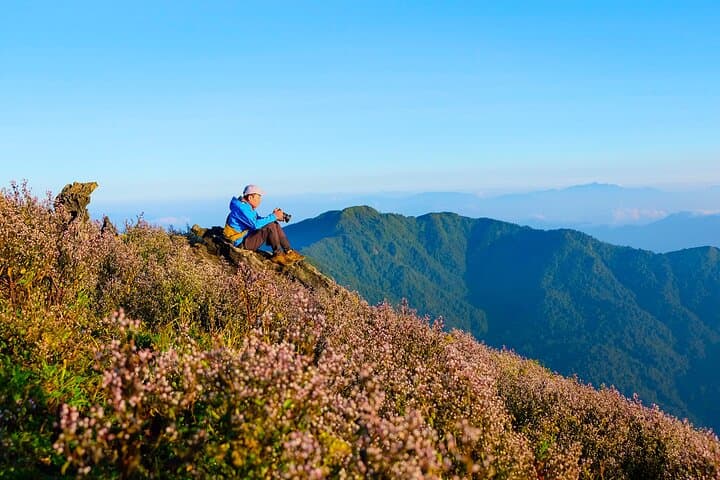
Expect variable terrain—packed earth, bamboo groves, grassy hilltops and occasional rocky sections—and real altitude gain in short bursts. The itinerary uses a campsite below the summit and a pre‑dawn, headlamp‑led two‑hour ascent to reach sunrise on the peak. Weather shifts quickly: cold, frost, or ice flowers are possible in the dry season mornings; monsoon months bring mud and limited visibility.
Practically, travel from Hanoi by night bus, sleep briefly in a Trạm Tấu homestay, then carry daypack essentials while guides and porters handle camping gear. Bring sturdy waterproof boots, layered insulation, a reliable headlamp, and at least 2–3 liters of water per day. Time your trip for clear-season months to maximize summit views, and work with local guides who know the route, access and cultural protocols. The challenge is less about technical climbing and more about sustained uphill, early starts, and highland weather management.
challenging.
2 days (overnight).
Good aerobic fitness and experience with sustained uphill hiking; you should be comfortable carrying a daypack for up to 8 hours and managing steep terrain.
The last push is steep and exposed but non‑technical; expect about 1.5–2.5 hours of steady ascent under headlamp depending on pace and conditions.
You camp on the mountain with supplied tents, sleeping mats, blankets and pillows; the tour also includes a prior dormitory stay in a Trạm Tấu homestay.
No—the operator provides group camping equipment and a porter support ratio (often 1:1 guide/local/porter), so you mainly carry a daypack with personal items.
Summit elevations are high enough to cause mild symptoms for some; hydrate, ascend at a steady pace, and tell guides about any history of altitude issues.
The Yên Bái highlands are home to Hmong and Thái communities whose terraced agriculture and upland festivals shape the region’s cultural landscape.
Stick to established trails, avoid open‑fire camping and pack out all waste; using local guides helps support community stewardship and minimizes impact.
Authentic PHU QUOC operates guided outdoor trips and adventures with an emphasis on safety, stewardship, and memorable experiences.
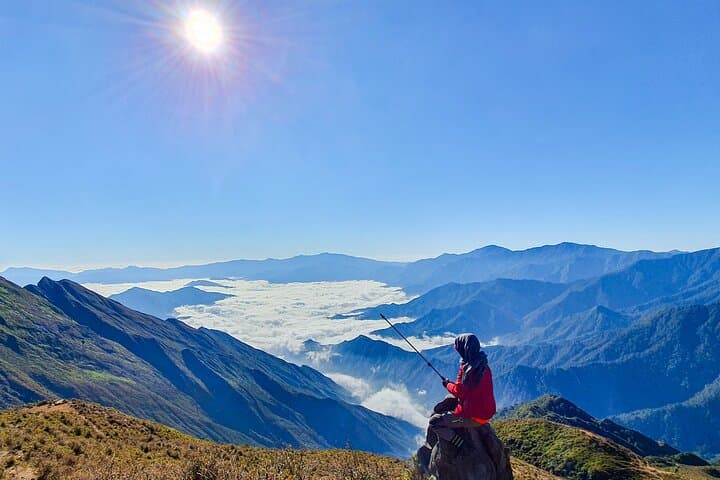

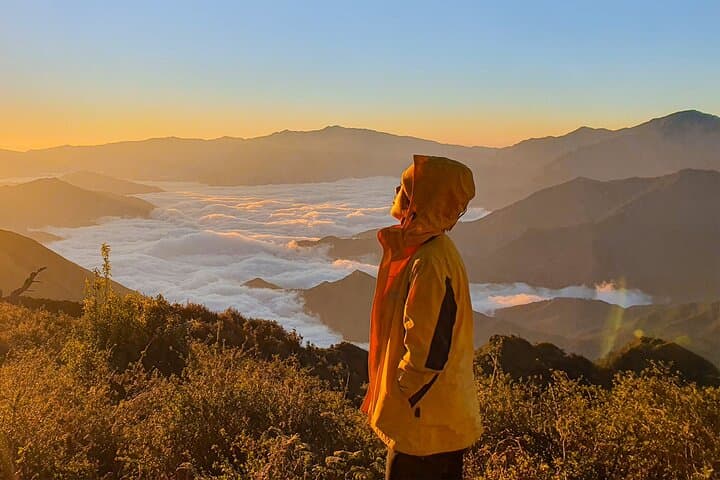
A cold wind pushes across the ridgeline before dawn as headlamps sweep the trail—this is the final push toward Tà Chì Nhù’s summit. On a two‑day, one‑night route from Trạm Tấu, trekkers move from terraced Hmong fields into open grassy slopes, then up steep, exposed ridges where the sky opens into a sea of clouds at sunrise.
A cold wind pushes across the ridgeline before dawn as headlamps sweep the trail—this is the final push toward Tà Chì Nhù’s summit. On a two‑day, one‑night route from Trạm Tấu, trekkers move from terraced Hmong fields into open grassy slopes, then up steep, exposed ridges where the sky opens into a sea of clouds at sunrise.
The mountain sits in Yên Bái province, an area shaped by tectonic uplift and long erosion that carved steep valleys and grassy domes. Ethnic Hmong and Thái communities have farmed these slopes for generations; homestays and highland kitchens on this itinerary give a direct window into local culture and food after a day on the trail.
Expect variable terrain—packed earth, bamboo groves, grassy hilltops and occasional rocky sections—and real altitude gain in short bursts. The itinerary uses a campsite below the summit and a pre‑dawn, headlamp‑led two‑hour ascent to reach sunrise on the peak. Weather shifts quickly: cold, frost, or ice flowers are possible in the dry season mornings; monsoon months bring mud and limited visibility.
Practically, travel from Hanoi by night bus, sleep briefly in a Trạm Tấu homestay, then carry daypack essentials while guides and porters handle camping gear. Bring sturdy waterproof boots, layered insulation, a reliable headlamp, and at least 2–3 liters of water per day. Time your trip for clear-season months to maximize summit views, and work with local guides who know the route, access and cultural protocols. The challenge is less about technical climbing and more about sustained uphill, early starts, and highland weather management.