THE ADVENTURE COLLECTIVE® · Independent discovery and booking for outdoor travel

Head offshore from Isla Holbox to swim alongside whale sharks, then snorkel the reefs near Cabo Catoche before returning for fresh ceviche. This full-day trip blends wildlife encounters, reef snorkels, and local flavors with responsible, guide-led practices.
Head offshore from Isla Holbox to swim alongside whale sharks, then snorkel the reefs near Cabo Catoche before returning for fresh ceviche. This full-day trip blends wildlife encounters, reef snorkels, and local flavors with responsible, guide-led practices.
The boat slips away from Holbox pier while early light still silvering the water, and the island shrinks into a low line of palms. Salt air pulls at your hair, the engine hums, and the guides check masks and straps with practiced calm. The Gulf opens up and every horizon feels like an invitation: today you’ll be in the company of the ocean’s gentle giants.
Verified experiences and guided adventures in the surrounding area.
Operated by Holbox Whale Shark Tours · Isla Holbox, Quintana Roo
The boat slips away from Holbox pier while early light still silvering the water, and the island shrinks into a low line of palms. Salt air pulls at your hair, the engine hums, and the guides check masks and straps with practiced calm. The Gulf opens up and every horizon feels like an invitation: today you’ll be in the company of the ocean’s gentle giants.
This is where the warm waters of the Caribbean meet the Gulf of Mexico, a mixing zone that concentrates plankton and draws whale sharks from mid-May through mid-September. The animals themselves are older than most modern maps; whale sharks have cruised these seas for millennia while fishermen and Mayan communities long ago learned to read the currents. Cabo Catoche, the northernmost point of the Yucatán, marks that ecological hinge — a shallow shelf of reefs, channels, and upwellings that support sea turtles, manta rays, and vibrant reef life.
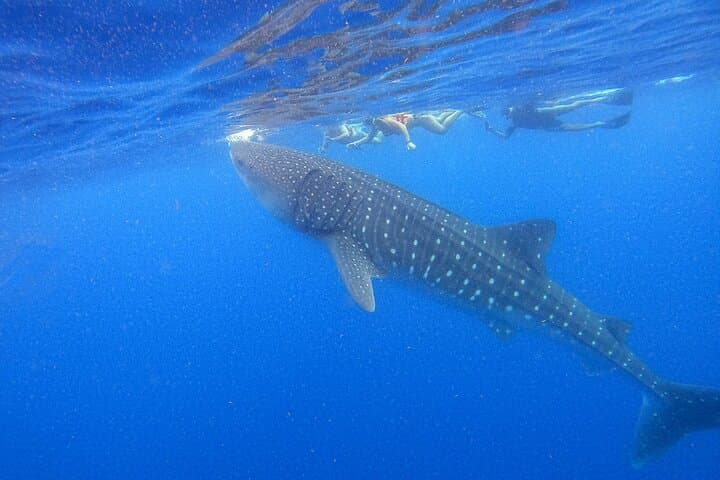
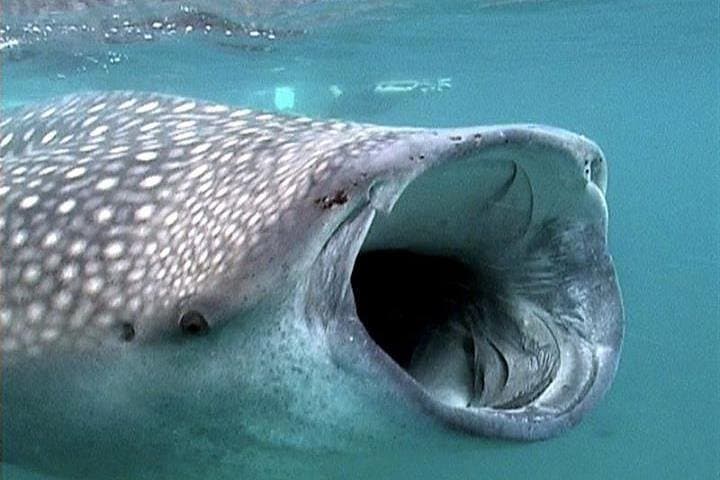
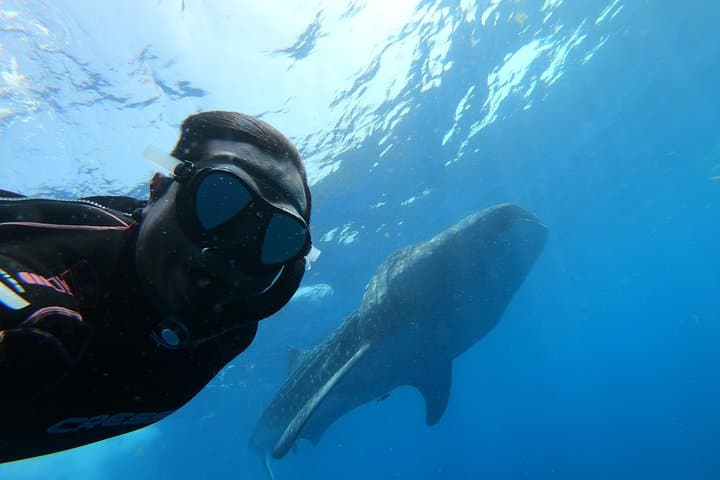
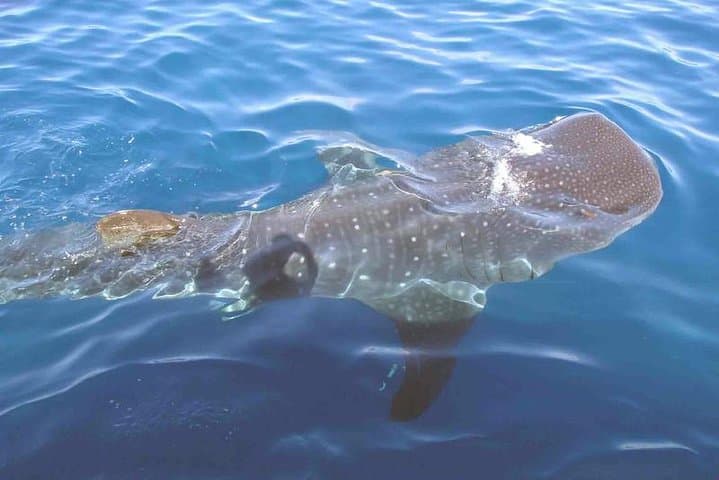
Your guide, bilingual and trained in responsible wildlife viewing, times entry so swimmers go in two at a time. The whale shark isn’t a threat; it’s a moving landscape — a mottled, slow-moving continent of mouth and gills that takes plankton like air. Observing it requires patience, silence, and respect: photographers keep a low profile, and boats maintain set distances when the animal is feeding.
After the encounter, the trip bends toward the reef at Cabo Catoche. The cuevones — shelf-like corals and swim-throughs — hide nurse sharks, octopus, and schools of reef fish. On the way back, Boca Santa Paula offers a shallow swim and fresh ceviche, a local ritual: citrus, spice, and whatever the sea has provided that morning.
Practical side: expect a full day (about seven hours), with one to two hours of open-water cruising and multiple short in-water sessions. The sea can be choppy; bring anti-nausea measures if you’re prone to motion sickness. Snorkel gear, a light breakfast, lunch, beverages, and ceviche are included, and guides will brief you on safe distances and re-entry procedures.
Timing matters — dawn departures generally mean calmer seas and cleaner light for photography. Use reef-safe sunscreen and a rashguard to protect against sun and the occasional brush of barnacled rail. Respect local rules: no chasing the animals, no touching, and follow your guide’s hand signals.
If you want a deeper local layer, arrive a day early to walk Holbox’s main square and try seafood stalls, or visit nearby mangrove channels by kayak. Conservation here is active: tour operators work with authorities to limit disturbances and educate visitors, so your behavior helps keep whale sharks returning.
This is equal parts spectacle and stewardship: an encounter that asks for quiet attention and leaves you with a new measure of the sea’s scale and grace.
moderate.
7 hours.
Moderate fitness; comfortable swimming and the ability to climb in/out of a small boat repeatedly.
Whale shark season runs roughly mid-May to mid-September when plankton blooms attract them, though sightings sometimes occur earlier or later depending on currents.
No — whale sharks are filter feeders and not aggressive, but visitors must follow guides’ rules about approach distance and entry to avoid disturbing them.
Yes — basic snorkel masks, fins, and life vests are included, but many travelers prefer to bring their own well-fitted mask.
Children under 6 are not allowed; older children must be competent swimmers and follow safety briefings.
If the tour is canceled for weather, you’ll be offered an alternative date or a full refund; operators request contact at least 24 hours before the tour to confirm conditions.
Expect a full day with multiple short swims, boat transfers, and a reef snorkel — participants should be comfortable entering and exiting boats and snorkeling in open water.
Local fishing communities and Mayan coastal routes have long used these channels; Holbox has grown from a fishing outpost into a conservation-minded visitor hub.
Operators follow local regulations on approach distances and limited group sizes; use reef-safe products and obey guides to minimize disturbance to feeding animals and reefs.
Holbox Whale Shark Tours operates guided outdoor trips and adventures with an emphasis on safety, stewardship, and memorable experiences.
The boat slips away from Holbox pier while early light still silvering the water, and the island shrinks into a low line of palms. Salt air pulls at your hair, the engine hums, and the guides check masks and straps with practiced calm. The Gulf opens up and every horizon feels like an invitation: today you’ll be in the company of the ocean’s gentle giants.
The boat slips away from Holbox pier while early light still silvering the water, and the island shrinks into a low line of palms. Salt air pulls at your hair, the engine hums, and the guides check masks and straps with practiced calm. The Gulf opens up and every horizon feels like an invitation: today you’ll be in the company of the ocean’s gentle giants.
This is where the warm waters of the Caribbean meet the Gulf of Mexico, a mixing zone that concentrates plankton and draws whale sharks from mid-May through mid-September. The animals themselves are older than most modern maps; whale sharks have cruised these seas for millennia while fishermen and Mayan communities long ago learned to read the currents. Cabo Catoche, the northernmost point of the Yucatán, marks that ecological hinge — a shallow shelf of reefs, channels, and upwellings that support sea turtles, manta rays, and vibrant reef life.
Your guide, bilingual and trained in responsible wildlife viewing, times entry so swimmers go in two at a time. The whale shark isn’t a threat; it’s a moving landscape — a mottled, slow-moving continent of mouth and gills that takes plankton like air. Observing it requires patience, silence, and respect: photographers keep a low profile, and boats maintain set distances when the animal is feeding.
After the encounter, the trip bends toward the reef at Cabo Catoche. The cuevones — shelf-like corals and swim-throughs — hide nurse sharks, octopus, and schools of reef fish. On the way back, Boca Santa Paula offers a shallow swim and fresh ceviche, a local ritual: citrus, spice, and whatever the sea has provided that morning.
Practical side: expect a full day (about seven hours), with one to two hours of open-water cruising and multiple short in-water sessions. The sea can be choppy; bring anti-nausea measures if you’re prone to motion sickness. Snorkel gear, a light breakfast, lunch, beverages, and ceviche are included, and guides will brief you on safe distances and re-entry procedures.
Timing matters — dawn departures generally mean calmer seas and cleaner light for photography. Use reef-safe sunscreen and a rashguard to protect against sun and the occasional brush of barnacled rail. Respect local rules: no chasing the animals, no touching, and follow your guide’s hand signals.
If you want a deeper local layer, arrive a day early to walk Holbox’s main square and try seafood stalls, or visit nearby mangrove channels by kayak. Conservation here is active: tour operators work with authorities to limit disturbances and educate visitors, so your behavior helps keep whale sharks returning.
This is equal parts spectacle and stewardship: an encounter that asks for quiet attention and leaves you with a new measure of the sea’s scale and grace.