THE ADVENTURE COLLECTIVE® · Independent discovery and booking for outdoor travel

Get in the water with inquisitive Cape fur seals off Robberg Nature Reserve. This guided snorkel offers a short, close encounter from boat departure at Plettenberg Bay—suitable for families and open-water snorkelers.
Get in the water with inquisitive Cape fur seals off Robberg Nature Reserve. This guided snorkel offers a short, close encounter from boat departure at Plettenberg Bay—suitable for families and open-water snorkelers.
The morning breeze off the Indian Ocean pulls a salty clarity through Plettenberg Bay as the boat slips past surf-whitened rocks toward Robberg.
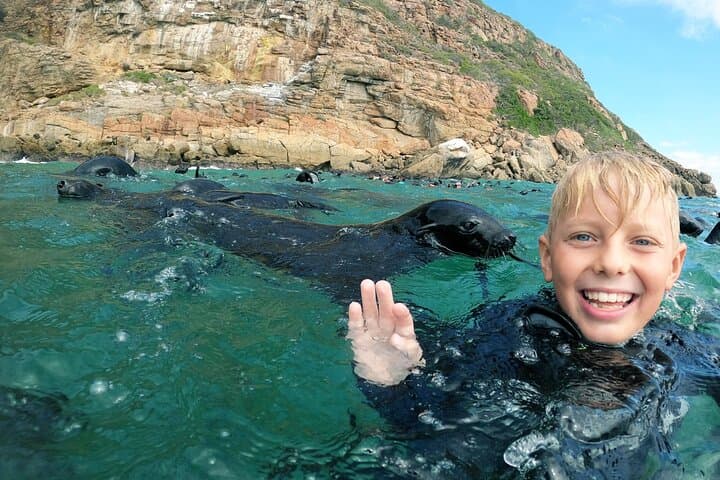
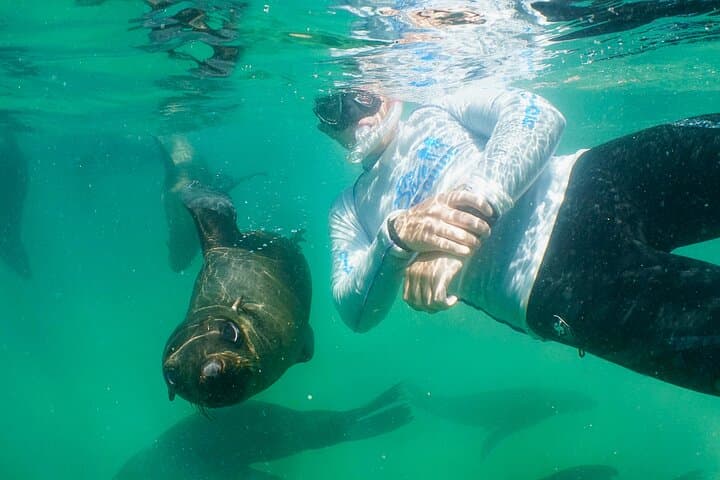
Come close enough and the seals appear—curious, looped bodies moving like punctuation marks in the blue—approaching divers with wet-nosed inquisitiveness while the peninsula’s sandstone cliffs rise behind them.
Robberg is a sculpted remnant of Table Mountain sandstone, engineered by wave and wind into coves and offshore reefs that attract a dense population of Cape fur seals. Humans have fished and traded here for centuries; today the peninsula is a protected nature reserve where marine life draws both local fishers and eco-guides.
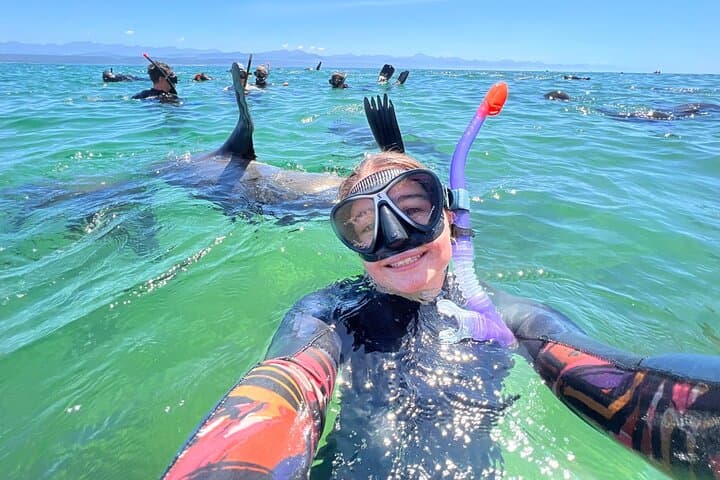
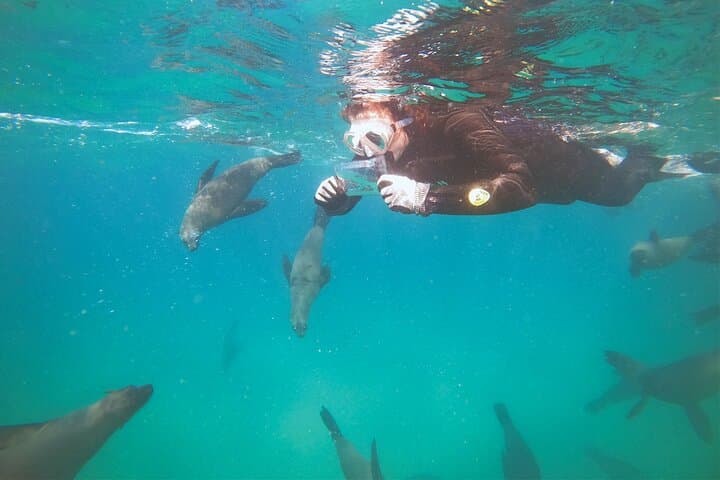
The swim is short and sensory: a 20–30 minute snorkel in which seals circle and inspect visitors under the direction of a guide. Expect choppy patches and sudden currents around the headland—conditions that make trained guides and buoyant wetsuits important. Cultural context matters too: this coastline supports small coastal towns whose livelihoods are tied to the sea, and respectful viewing helps keep encounters non-invasive.
For practical planning, arrive with a towel and a light change of clothes; the operator provides snorkel gear, lockers, and photos. Briefings cover boat safety and how to behave around wildlife; follow them strictly. Note that guides monitor seal behavior and public health advisories and may offer viewing-only trips if there are concerns.
Timing trips for calmer mornings improves visibility and comfort. Bring reef-safe sunscreen, know basic snorkeling skills, and keep a respectful distance when out of the water—the experience is as much about watching these animals choose to interact as it is about you entering their space.
Verified experiences and guided adventures in the surrounding area.
Operated by ProDive Seal Swims · Plettenberg Bay, Western Cape
The morning breeze off the Indian Ocean pulls a salty clarity through Plettenberg Bay as the boat slips past surf-whitened rocks toward Robberg.
Come close enough and the seals appear—curious, looped bodies moving like punctuation marks in the blue—approaching divers with wet-nosed inquisitiveness while the peninsula’s sandstone cliffs rise behind them.
Robberg is a sculpted remnant of Table Mountain sandstone, engineered by wave and wind into coves and offshore reefs that attract a dense population of Cape fur seals. Humans have fished and traded here for centuries; today the peninsula is a protected nature reserve where marine life draws both local fishers and eco-guides.
The swim is short and sensory: a 20–30 minute snorkel in which seals circle and inspect visitors under the direction of a guide. Expect choppy patches and sudden currents around the headland—conditions that make trained guides and buoyant wetsuits important. Cultural context matters too: this coastline supports small coastal towns whose livelihoods are tied to the sea, and respectful viewing helps keep encounters non-invasive.
For practical planning, arrive with a towel and a light change of clothes; the operator provides snorkel gear, lockers, and photos. Briefings cover boat safety and how to behave around wildlife; follow them strictly. Note that guides monitor seal behavior and public health advisories and may offer viewing-only trips if there are concerns.
Timing trips for calmer mornings improves visibility and comfort. Bring reef-safe sunscreen, know basic snorkeling skills, and keep a respectful distance when out of the water—the experience is as much about watching these animals choose to interact as it is about you entering their space.
moderate.
1.5 hours.
Basic swimming fitness required; comfortable treading water and short-distance snorkeling ability recommended
Encounters are guided and typically include a 30-minute snorkel near the seal colony; however, guides may switch to viewing-only trips for safety or animal welfare reasons.
Operators provide snorkel equipment, but you may bring personal gear for fit and comfort if preferred.
Yes—many families join; children should be competent swimmers and follow guide instructions. Operators may have age or height minimums for participation.
Participants should be able to swim and avoid close contact with wildlife; recent advisory updates may require extra precautions—follow guide briefings and report any bite or scratch immediately.
Robberg’s sandstone headland was formed during ancient sea-level changes and has long been a landmark for indigenous Khoisan peoples and later coastal communities.
Visits are managed to be non-invasive; stay within guidelines, dispose of waste responsibly, and use reef-safe products to reduce impact on marine habitats.
ProDive Seal Swims operates guided outdoor trips and adventures with an emphasis on safety, stewardship, and memorable experiences.
The morning breeze off the Indian Ocean pulls a salty clarity through Plettenberg Bay as the boat slips past surf-whitened rocks toward Robberg.
Come close enough and the seals appear—curious, looped bodies moving like punctuation marks in the blue—approaching divers with wet-nosed inquisitiveness while the peninsula’s sandstone cliffs rise behind them.
Robberg is a sculpted remnant of Table Mountain sandstone, engineered by wave and wind into coves and offshore reefs that attract a dense population of Cape fur seals. Humans have fished and traded here for centuries; today the peninsula is a protected nature reserve where marine life draws both local fishers and eco-guides.
The swim is short and sensory: a 20–30 minute snorkel in which seals circle and inspect visitors under the direction of a guide. Expect choppy patches and sudden currents around the headland—conditions that make trained guides and buoyant wetsuits important. Cultural context matters too: this coastline supports small coastal towns whose livelihoods are tied to the sea, and respectful viewing helps keep encounters non-invasive.
For practical planning, arrive with a towel and a light change of clothes; the operator provides snorkel gear, lockers, and photos. Briefings cover boat safety and how to behave around wildlife; follow them strictly. Note that guides monitor seal behavior and public health advisories and may offer viewing-only trips if there are concerns.
Timing trips for calmer mornings improves visibility and comfort. Bring reef-safe sunscreen, know basic snorkeling skills, and keep a respectful distance when out of the water—the experience is as much about watching these animals choose to interact as it is about you entering their space.
The morning breeze off the Indian Ocean pulls a salty clarity through Plettenberg Bay as the boat slips past surf-whitened rocks toward Robberg.
Come close enough and the seals appear—curious, looped bodies moving like punctuation marks in the blue—approaching divers with wet-nosed inquisitiveness while the peninsula’s sandstone cliffs rise behind them.
Robberg is a sculpted remnant of Table Mountain sandstone, engineered by wave and wind into coves and offshore reefs that attract a dense population of Cape fur seals. Humans have fished and traded here for centuries; today the peninsula is a protected nature reserve where marine life draws both local fishers and eco-guides.
The swim is short and sensory: a 20–30 minute snorkel in which seals circle and inspect visitors under the direction of a guide. Expect choppy patches and sudden currents around the headland—conditions that make trained guides and buoyant wetsuits important. Cultural context matters too: this coastline supports small coastal towns whose livelihoods are tied to the sea, and respectful viewing helps keep encounters non-invasive.
For practical planning, arrive with a towel and a light change of clothes; the operator provides snorkel gear, lockers, and photos. Briefings cover boat safety and how to behave around wildlife; follow them strictly. Note that guides monitor seal behavior and public health advisories and may offer viewing-only trips if there are concerns.
Timing trips for calmer mornings improves visibility and comfort. Bring reef-safe sunscreen, know basic snorkeling skills, and keep a respectful distance when out of the water—the experience is as much about watching these animals choose to interact as it is about you entering their space.