THE ADVENTURE COLLECTIVE® · Independent discovery and booking for outdoor travel

Spend a full day from Cartagena at Playa Blanca on Barú—sunbathe on powdery white sand, eat a classic Caribbean lunch, then after dark board a boat to a lagoon where bioluminescent plankton lights the water with every movement. Learn practical tips for timing, gear, and conservation.
Spend a full day from Cartagena at Playa Blanca on Barú—sunbathe on powdery white sand, eat a classic Caribbean lunch, then after dark board a boat to a lagoon where bioluminescent plankton lights the water with every movement. Learn practical tips for timing, gear, and conservation.
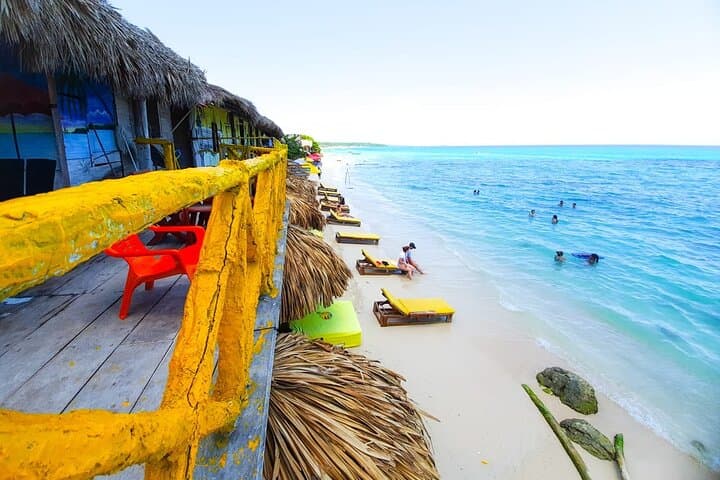
Salt spray and Caribbean heat meet just after dawn as a minibus eases away from Cartagena’s clock tower and the road slices through mangroves toward Barú. By midmorning you’re sinking toes into the white sand of Playa Blanca; the sea pulls cool and insistent, inviting you into shallow, glassy water where shells clack underfoot and gulls wheel overhead.
Verified experiences and guided adventures in the surrounding area.
Operated by vuelamax actividades y tours · Cartagena, Bolívar
Salt spray and Caribbean heat meet just after dawn as a minibus eases away from Cartagena’s clock tower and the road slices through mangroves toward Barú. By midmorning you’re sinking toes into the white sand of Playa Blanca; the sea pulls cool and insistent, inviting you into shallow, glassy water where shells clack underfoot and gulls wheel overhead.
Barú is a low, coral-derived island shaped by reef growth and river sediments. Historically a string of fishing settlements and quarantine outposts for colonial Cartagena, the island today balances tourism with small-scale fishing—local cooks still serve coconut rice and fried fish that reflect a coastal Afro-Caribbean culinary lineage.
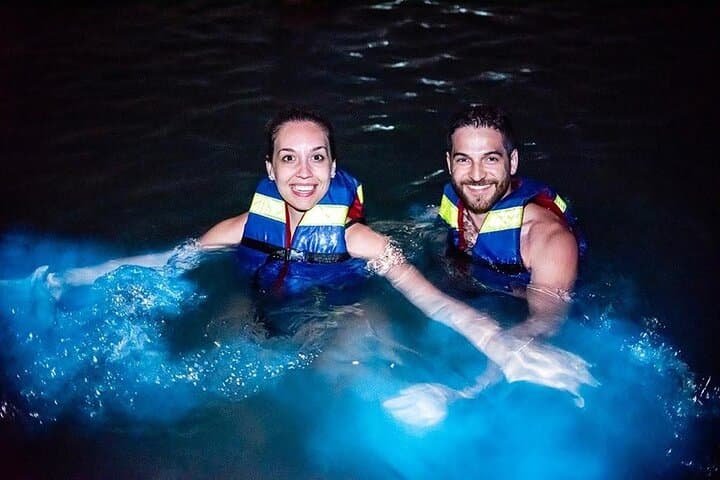
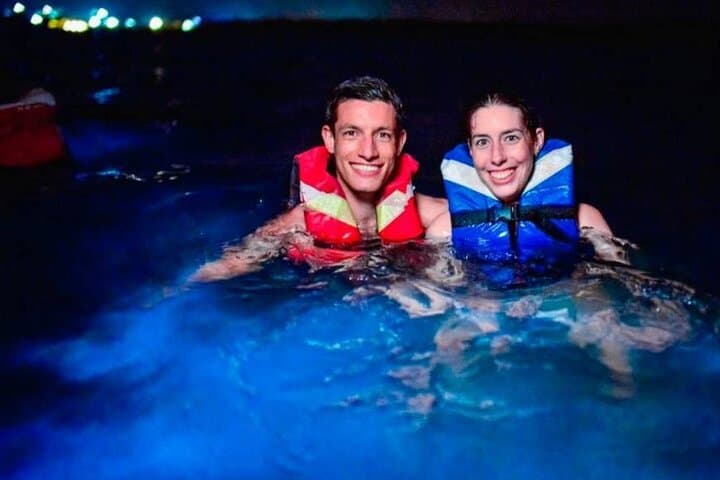
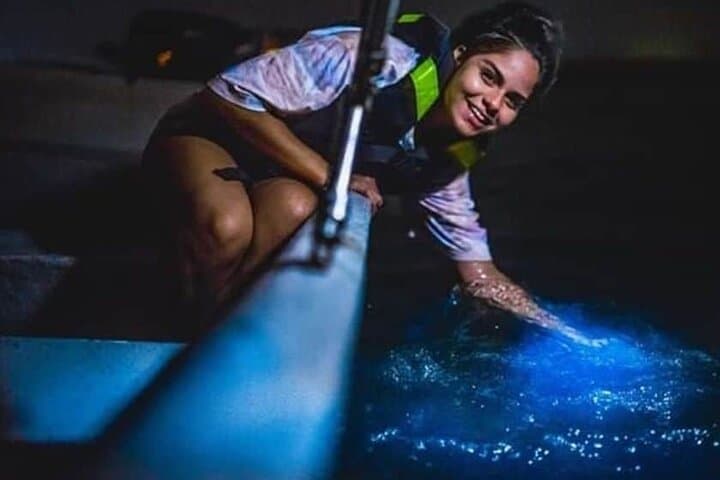
The real draw here is nocturnal: as night deepens, guides take the group by boat to a sheltered lagoon where bioluminescent dinoflagellates light up with each stroke. The plankton responds like a nervous sky—every hand, every kick writes a brief constellation. The effect is fragile and immediate; light pollution, chemicals, and careless behavior diminish it.
Practical guide: the full program runs about 10 hours from Cartagena; expect a 50-minute transfer and a daytime beach break with lunch. Bring reef-safe sunscreen, a change of clothes, and a waterproof phone case if you want photos (low light makes images difficult). Swim gear and basic flotation are provided but be comfortable in shallow open water; operators typically collect small groups by boat for the lagoon visit.
Timing matters: plan for a moonless night for the brightest display, and follow the guide’s instructions to protect the plankton and local mangrove habitat.
easy.
About 10 hours.
Suitable for most fitness levels; be comfortable entering shallow marine water and standing or treading during the lagoon swim
Door‑to‑door the tour is roughly 10 hours including a ~50‑minute bus transfer each way and time on Playa Blanca before the evening lagoon visit.
Yes—guides provide basic flotation and equipment; you’ll enter a shallow, sheltered lagoon where movements trigger bioluminescence.
Visibility depends on moon phase, water clarity, and weather; the best displays happen on dark, moonless nights with low light pollution.
The tour is marketed as easy and family‑friendly, but non‑swimmers should use flotation and remain with the group; infants must sit on an adult’s lap.
Barú was historically a fishing and quarantine area for Cartagena; its reefs and mangroves supported local livelihoods long before tourism expanded.
Bioluminescent organisms are sensitive to light, pollution, and chemicals—stick to reef‑safe products, avoid single‑use plastics, and follow guides’ rules to minimize impact.
vuelamax actividades y tours operates guided outdoor trips and adventures with an emphasis on safety, stewardship, and memorable experiences.
Salt spray and Caribbean heat meet just after dawn as a minibus eases away from Cartagena’s clock tower and the road slices through mangroves toward Barú. By midmorning you’re sinking toes into the white sand of Playa Blanca; the sea pulls cool and insistent, inviting you into shallow, glassy water where shells clack underfoot and gulls wheel overhead.
Salt spray and Caribbean heat meet just after dawn as a minibus eases away from Cartagena’s clock tower and the road slices through mangroves toward Barú. By midmorning you’re sinking toes into the white sand of Playa Blanca; the sea pulls cool and insistent, inviting you into shallow, glassy water where shells clack underfoot and gulls wheel overhead.
Barú is a low, coral-derived island shaped by reef growth and river sediments. Historically a string of fishing settlements and quarantine outposts for colonial Cartagena, the island today balances tourism with small-scale fishing—local cooks still serve coconut rice and fried fish that reflect a coastal Afro-Caribbean culinary lineage.
The real draw here is nocturnal: as night deepens, guides take the group by boat to a sheltered lagoon where bioluminescent dinoflagellates light up with each stroke. The plankton responds like a nervous sky—every hand, every kick writes a brief constellation. The effect is fragile and immediate; light pollution, chemicals, and careless behavior diminish it.
Practical guide: the full program runs about 10 hours from Cartagena; expect a 50-minute transfer and a daytime beach break with lunch. Bring reef-safe sunscreen, a change of clothes, and a waterproof phone case if you want photos (low light makes images difficult). Swim gear and basic flotation are provided but be comfortable in shallow open water; operators typically collect small groups by boat for the lagoon visit.
Timing matters: plan for a moonless night for the brightest display, and follow the guide’s instructions to protect the plankton and local mangrove habitat.