THE ADVENTURE COLLECTIVE® · Independent discovery and booking for outdoor travel

Watch Uluru change color as guides lead Mala and Mutitjulu walks, finish with a sunset BBQ and sparkling wine. This seven‑hour tour pairs cultural storytelling, short walks to rock art and waterholes, and a relaxed evening at one of Australia’s most iconic landscapes.
Watch Uluru change color as guides lead Mala and Mutitjulu walks, finish with a sunset BBQ and sparkling wine. This seven‑hour tour pairs cultural storytelling, short walks to rock art and waterholes, and a relaxed evening at one of Australia’s most iconic landscapes.
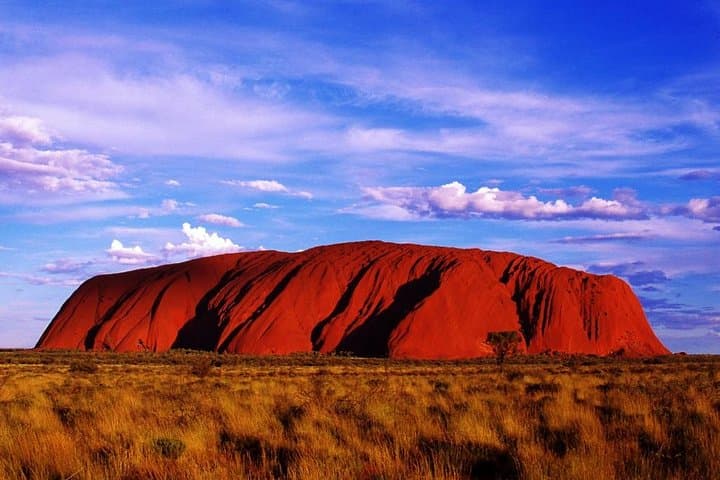
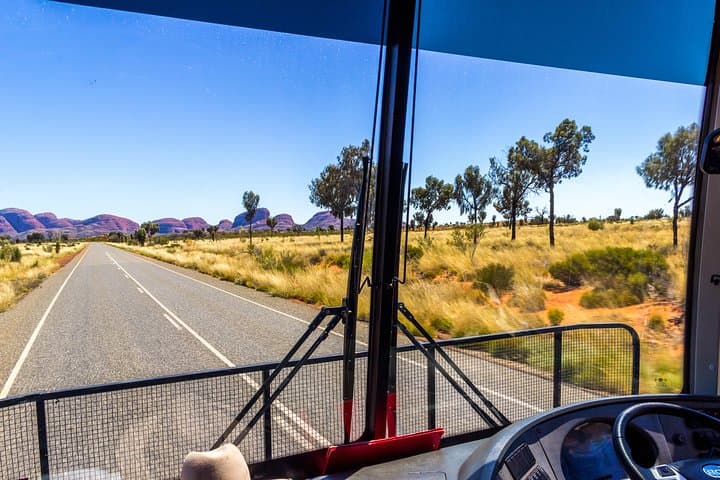
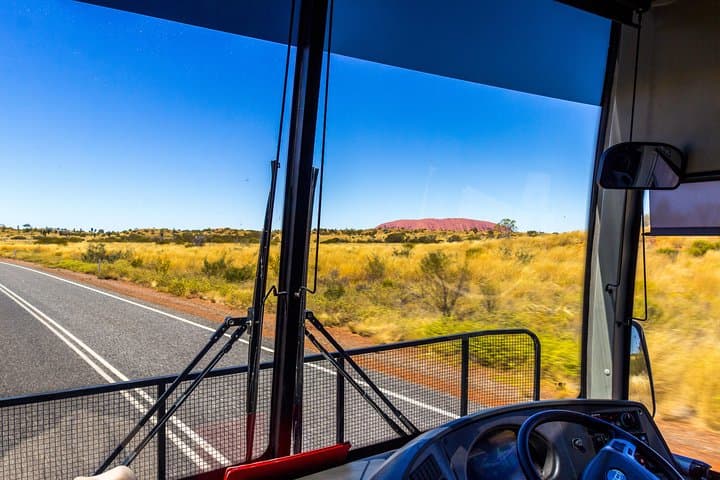
A wind-swept orange light brushes the face of Uluru as your coach eases into the car park and the rock seems to warm from within. You step out and the Outback stretches—low scrub, saltbush, and the scent of warm earth—while guides move with steady confidence, their voices rowing stories across the cooling air. The day peels from the modern comfort of an air‑conditioned coach into the quiet authority of a landmark older than memory.
Verified experiences and guided adventures in the surrounding area.
Operated by Emu Run Experience · Yulara, Northern Territory
A wind-swept orange light brushes the face of Uluru as your coach eases into the car park and the rock seems to warm from within. You step out and the Outback stretches—low scrub, saltbush, and the scent of warm earth—while guides move with steady confidence, their voices rowing stories across the cooling air. The day peels from the modern comfort of an air‑conditioned coach into the quiet authority of a landmark older than memory.
Uluru is both geological monolith and living cultural landscape. Formed from arkose sandstone laid down some 550 million years ago, its iron-rich surface oxidises into the deep reds you see at sunset. But the rock’s presence is inseparable from the Anangu people, whose Tjukurpa (Dreaming) connects the crevices, waterholes and rock paintings to ancestral law and ceremony. On the Mala Walk your guide will point out ochre hand stencils and grooves, translating creation stories that have defined human life here for millennia.
Geology and culture meet at Mutitjulu Waterhole, a pocket of stillness where Wanampi—the ancestral water snake—makes the landscape speak. In the damp of shaded rock recesses, ancient paintings still watch the small, modern acts of reverence: coins in a donation box, quiet conversation at the Cultural Centre, or a purchased dot painting made by a local artist. The Cultural Centre itself was built with traditional materials and community collaboration; it frames Uluru with context rather than spectacle.
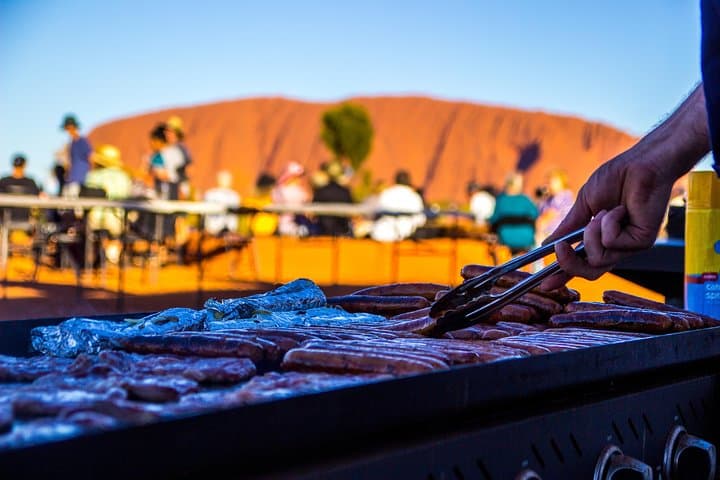
Practicality governs a good visit. This is a full‑day experience of about seven hours; wear strong non‑slip shoes for short uneven tracks, bring a wide‑brimmed hat and at least 1 L of water, and layer for the desert’s sharp temperature swing. The tour includes two experienced guides, snacks, and a sunset BBQ with sparkling wine—note alcohol vouchers are limited to two per person—and until 31 March 2026 the park pass is included; after that, you’ll need to buy the Uluru‑Kata Tjuta National Park Pass before arrival.
Timing matters: arrive early to catch the day’s heat give way to long shadows, and position yourself where the rock’s colours shift from brick to deep purple. Respect Anangu wishes—avoid climbing, follow signage, and purchase art directly from artists when you can. Photographers will find the light generous at golden hour and intimate detail around waterholes.
By evening the horizon softens, don’t be surprised if the silence feels purposeful—this place keeps its stories close. The BBQ dinner cuts the day’s intensity with simple, well‑cooked fare and a communal ease that makes strangers companions under a vast Southern sky.
moderate.
6–8 hours.
Moderate fitness; short, low‑grade walks with some uneven terrain but no long hikes required.
The tour runs roughly seven hours; pickup from Ayers Rock Resort is around midday with return after sunset—confirm your pickup time when booking.
Until 31 March 2026 the park pass is included; from 1 April 2026 you must purchase the Uluru‑Kata Tjuta National Park Pass prior to joining the tour.
Yes—there is time at the Aboriginal Cultural Centre and vendors at sunset; carry cash if you plan to purchase dot paintings directly from artists.
Children must be accompanied by an adult; activities are suitable for a wide range of ages but check mobility needs for short walks.
No—climbing Uluru is not permitted out of respect for Anangu law and the tour observes cultural guidelines.
Snacks and fruit are provided during the day, and the tour includes a sunset BBQ with sparkling wine; note alcohol limits apply (two vouchers per person).
Uluru is a sacred site for the Anangu people and contains rock art and stories dating back thousands of years; the Cultural Centre was built with local community input using traditional materials.
Visitors are asked to respect cultural restrictions and stay on designated paths; from 2026 park passes help fund conservation and community programs.
Emu Run Experience operates guided outdoor trips and adventures with an emphasis on safety, stewardship, and memorable experiences.
A wind-swept orange light brushes the face of Uluru as your coach eases into the car park and the rock seems to warm from within. You step out and the Outback stretches—low scrub, saltbush, and the scent of warm earth—while guides move with steady confidence, their voices rowing stories across the cooling air. The day peels from the modern comfort of an air‑conditioned coach into the quiet authority of a landmark older than memory.
A wind-swept orange light brushes the face of Uluru as your coach eases into the car park and the rock seems to warm from within. You step out and the Outback stretches—low scrub, saltbush, and the scent of warm earth—while guides move with steady confidence, their voices rowing stories across the cooling air. The day peels from the modern comfort of an air‑conditioned coach into the quiet authority of a landmark older than memory.
Uluru is both geological monolith and living cultural landscape. Formed from arkose sandstone laid down some 550 million years ago, its iron-rich surface oxidises into the deep reds you see at sunset. But the rock’s presence is inseparable from the Anangu people, whose Tjukurpa (Dreaming) connects the crevices, waterholes and rock paintings to ancestral law and ceremony. On the Mala Walk your guide will point out ochre hand stencils and grooves, translating creation stories that have defined human life here for millennia.
Geology and culture meet at Mutitjulu Waterhole, a pocket of stillness where Wanampi—the ancestral water snake—makes the landscape speak. In the damp of shaded rock recesses, ancient paintings still watch the small, modern acts of reverence: coins in a donation box, quiet conversation at the Cultural Centre, or a purchased dot painting made by a local artist. The Cultural Centre itself was built with traditional materials and community collaboration; it frames Uluru with context rather than spectacle.
Practicality governs a good visit. This is a full‑day experience of about seven hours; wear strong non‑slip shoes for short uneven tracks, bring a wide‑brimmed hat and at least 1 L of water, and layer for the desert’s sharp temperature swing. The tour includes two experienced guides, snacks, and a sunset BBQ with sparkling wine—note alcohol vouchers are limited to two per person—and until 31 March 2026 the park pass is included; after that, you’ll need to buy the Uluru‑Kata Tjuta National Park Pass before arrival.
Timing matters: arrive early to catch the day’s heat give way to long shadows, and position yourself where the rock’s colours shift from brick to deep purple. Respect Anangu wishes—avoid climbing, follow signage, and purchase art directly from artists when you can. Photographers will find the light generous at golden hour and intimate detail around waterholes.
By evening the horizon softens, don’t be surprised if the silence feels purposeful—this place keeps its stories close. The BBQ dinner cuts the day’s intensity with simple, well‑cooked fare and a communal ease that makes strangers companions under a vast Southern sky.