THE ADVENTURE COLLECTIVE® · Independent discovery and booking for outdoor travel

Glide through the Ten Thousand Islands on a 2.5-hour sunset cruise from Goodland, where dolphins, manatees and endless shelling beaches meet golden-hour light. This relaxed eco tour combines wildlife viewing, coastal history and a private beach walk—perfect for photographers and families alike.
Glide through the Ten Thousand Islands on a 2.5-hour sunset cruise from Goodland, where dolphins, manatees and endless shelling beaches meet golden-hour light. This relaxed eco tour combines wildlife viewing, coastal history and a private beach walk—perfect for photographers and families alike.
The boat slips away from the little gravel lot behind Stan's Idle Hour and the Gulf breathes across the bow, a warm current that seems to push the day toward its finale. Salted light gilds mangrove trunks and low islands as the captain eases through a maze of waterways that form the Ten Thousand Islands National Wildlife Refuge. Dolphins arc and pilot the wake like playful punctuation marks; shorebirds pivot and pose on exposed sand bars while the sun leans into the horizon.
Verified experiences and guided adventures in the surrounding area.
Operated by Florida Island Tours · Goodland, Florida
The boat slips away from the little gravel lot behind Stan's Idle Hour and the Gulf breathes across the bow, a warm current that seems to push the day toward its finale. Salted light gilds mangrove trunks and low islands as the captain eases through a maze of waterways that form the Ten Thousand Islands National Wildlife Refuge. Dolphins arc and pilot the wake like playful punctuation marks; shorebirds pivot and pose on exposed sand bars while the sun leans into the horizon.
This 2.5-hour Sunset Eco Tour is less a sightseeing bus and more a slow-motion introduction to coastal Florida’s living edge. The islands are archaeology in motion — low-lying barrier isles built by tidal sediment and shell, shaped over millennia and once home to the Calusa people who fished and navigated these channels long before development. Today’s mansions along Marco’s beachfront contrast with the refuge’s quiet geometry: mangrove roots, oyster bars and tidal flats that host migratory birds and the resident dolphins and manatees that often perform for evening viewers.
Geology here keeps moving; currents rearrange beaches and reveal new shell-strewn shorelines overnight. The tour’s beach stop on a remote barrier island is a practical moment to feel that process — to walk a shore that the tide has combed clean and to find whole spirals or worn scallops left like breadcrumbs. Guides point out subtle signs of life: the telltale scars of raccoon foraging, the feathered silhouettes that return each fall, the shallow channels where juvenile fish hide.
There’s a civic culture to these waterways too. Goodland’s joking sobriquet — “drinking town with a fishing problem” — flags a place whose economy and identity are braided with the sea. Local operators run strict, low-impact itineraries: shelling bags are provided, and guides emphasize keeping live animals in the water and trash off the sand.
Practical side: arrive 20–30 minutes early to the private docks at 220 Goodland Dr for check-in and free gravel parking. BYOB is allowed; bring a collapsible cooler or use the onboard cooler with ice. Sunscreen and a light wind layer will be useful even on warm evenings; breezes intensify after sunset.
If you want photos, get forward-facing seats for unobstructed sunset angles and keep binoculars handy for bird ID. For calmer trips pick weekdays or shoulder seasons; if you’re prone to seasickness, take preventative medication before boarding. The tour is family-friendly and accessible for most fitness levels — its rhythm is contemplative, designed to let the islands and wildlife dictate the tempo as the sun folds into the Gulf.
easy.
2.5 hours.
Suitable for most fitness levels; participants should be able to step on/off a small boat and walk short stretches on sand.
Yes—BYOB is welcome; bring a small cooler and remove your trash at the end of the tour.
Common sightings include bottlenose dolphins, manatees, shorebirds and sometimes bald eagles or ospreys near mangrove stands.
Yes; infant seats are available and the tour is family-friendly, though children should be supervised during beach stops.
Tours are canceled for significant weather; cancelations due to weather are eligible for a full refund if made at least 24 hours prior.
You can collect empty, uninhabited shells; do not disturb live animals or remove anything attached to the substrate (like live shells or corals).
Yes—the operator notes free parking in the gravel lot across from Stan's Idle Hour behind the white fence.
The Ten Thousand Islands area was historically used by the Calusa people for fishing and shell-tool making; modern settlements like Goodland grew around fishing and boating industries.
Operators follow refuge guidelines—avoid approaching wildlife, don’t discard trash on islands, and use reef-safe products to minimize impact.
Florida Island Tours operates guided outdoor trips and adventures with an emphasis on safety, stewardship, and memorable experiences.
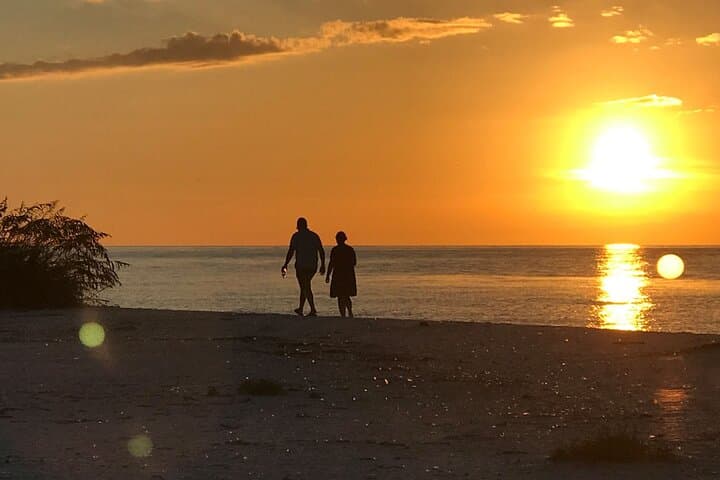
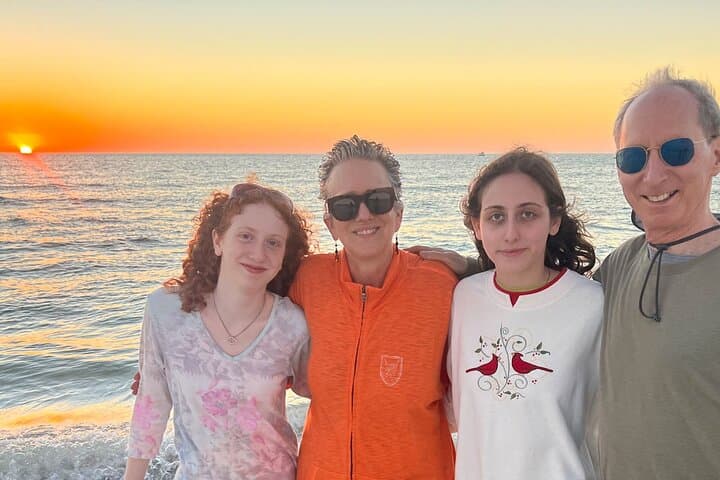
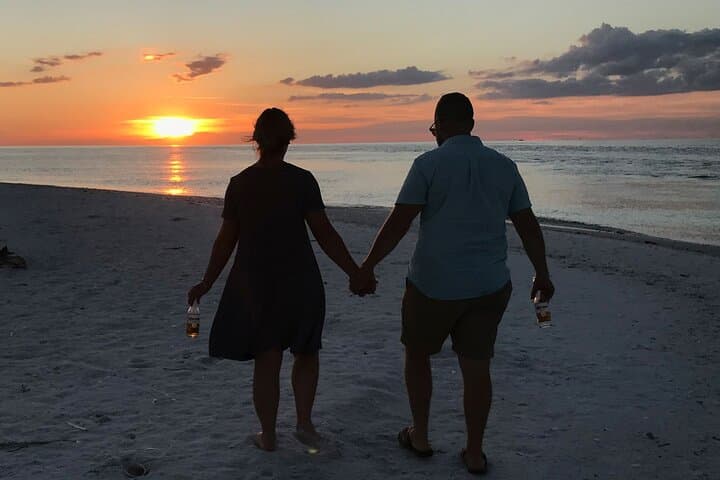
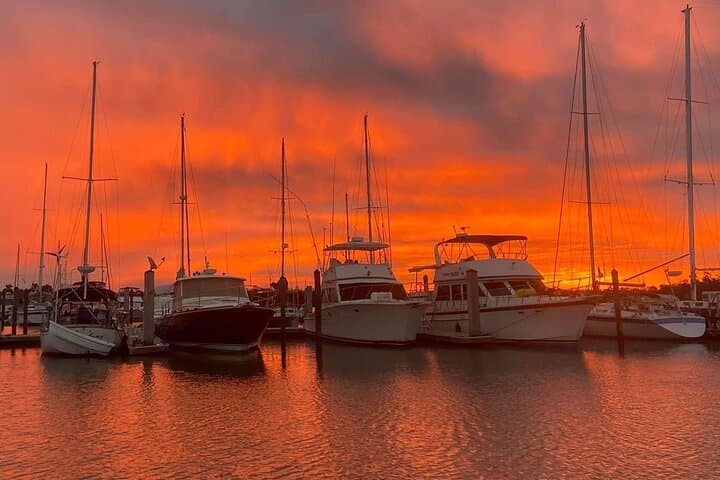
The boat slips away from the little gravel lot behind Stan's Idle Hour and the Gulf breathes across the bow, a warm current that seems to push the day toward its finale. Salted light gilds mangrove trunks and low islands as the captain eases through a maze of waterways that form the Ten Thousand Islands National Wildlife Refuge. Dolphins arc and pilot the wake like playful punctuation marks; shorebirds pivot and pose on exposed sand bars while the sun leans into the horizon.
The boat slips away from the little gravel lot behind Stan's Idle Hour and the Gulf breathes across the bow, a warm current that seems to push the day toward its finale. Salted light gilds mangrove trunks and low islands as the captain eases through a maze of waterways that form the Ten Thousand Islands National Wildlife Refuge. Dolphins arc and pilot the wake like playful punctuation marks; shorebirds pivot and pose on exposed sand bars while the sun leans into the horizon.
This 2.5-hour Sunset Eco Tour is less a sightseeing bus and more a slow-motion introduction to coastal Florida’s living edge. The islands are archaeology in motion — low-lying barrier isles built by tidal sediment and shell, shaped over millennia and once home to the Calusa people who fished and navigated these channels long before development. Today’s mansions along Marco’s beachfront contrast with the refuge’s quiet geometry: mangrove roots, oyster bars and tidal flats that host migratory birds and the resident dolphins and manatees that often perform for evening viewers.
Geology here keeps moving; currents rearrange beaches and reveal new shell-strewn shorelines overnight. The tour’s beach stop on a remote barrier island is a practical moment to feel that process — to walk a shore that the tide has combed clean and to find whole spirals or worn scallops left like breadcrumbs. Guides point out subtle signs of life: the telltale scars of raccoon foraging, the feathered silhouettes that return each fall, the shallow channels where juvenile fish hide.
There’s a civic culture to these waterways too. Goodland’s joking sobriquet — “drinking town with a fishing problem” — flags a place whose economy and identity are braided with the sea. Local operators run strict, low-impact itineraries: shelling bags are provided, and guides emphasize keeping live animals in the water and trash off the sand.
Practical side: arrive 20–30 minutes early to the private docks at 220 Goodland Dr for check-in and free gravel parking. BYOB is allowed; bring a collapsible cooler or use the onboard cooler with ice. Sunscreen and a light wind layer will be useful even on warm evenings; breezes intensify after sunset.
If you want photos, get forward-facing seats for unobstructed sunset angles and keep binoculars handy for bird ID. For calmer trips pick weekdays or shoulder seasons; if you’re prone to seasickness, take preventative medication before boarding. The tour is family-friendly and accessible for most fitness levels — its rhythm is contemplative, designed to let the islands and wildlife dictate the tempo as the sun folds into the Gulf.