THE ADVENTURE COLLECTIVE® · Independent discovery and booking for outdoor travel

Watch Uluru shift from copper to charcoal on a guided afternoon that pairs short walks to rock art and a sacred waterhole with a sunset BBQ. This tour blends accessible exploration, cultural interpretation and practical comforts for an authentic outback evening.
Watch Uluru shift from copper to charcoal on a guided afternoon that pairs short walks to rock art and a sacred waterhole with a sunset BBQ. This tour blends accessible exploration, cultural interpretation and practical comforts for an authentic outback evening.
The coach hums beneath a wide, indifferent sky as the red plain stretches away in every direction. You step off beside an enormous monolith that seems to have grown out of the earth rather than sat upon it — Uluru looming, its western face already shifting from ochre to molten orange. Guides move with practiced ease, folding long scarves and passing chilled glasses; the air carries the dry, mineral smell of the Outback and the distant, quiet presence of law and story.
Verified experiences and guided adventures in the surrounding area.
Operated by Emu Run Experience · Yulara, Northern Territory
The coach hums beneath a wide, indifferent sky as the red plain stretches away in every direction. You step off beside an enormous monolith that seems to have grown out of the earth rather than sat upon it — Uluru looming, its western face already shifting from ochre to molten orange. Guides move with practiced ease, folding long scarves and passing chilled glasses; the air carries the dry, mineral smell of the Outback and the distant, quiet presence of law and story.
This afternoon-to-evening experience threads together geology, living culture and a well-paced sequence of walks and stops. Uluru is a 550 million–year-old sandstone inselberg, a remnant of ancient sedimentary layers now sculpted into sheer walls and water-carved grooves. The Mala Walk follows the rock’s north‑west flank where Anangu rock art and Dreaming tracks are etched into crevices; the Mutitjulu Waterhole is a small, deep mirror, home in legend to Wanampi, the ancestral water snake. The nearby Cultural Centre — built with local mud bricks — offers context: contemporary Anangu people remain the custodians of stories and practices that shape how visitors are asked to behave.
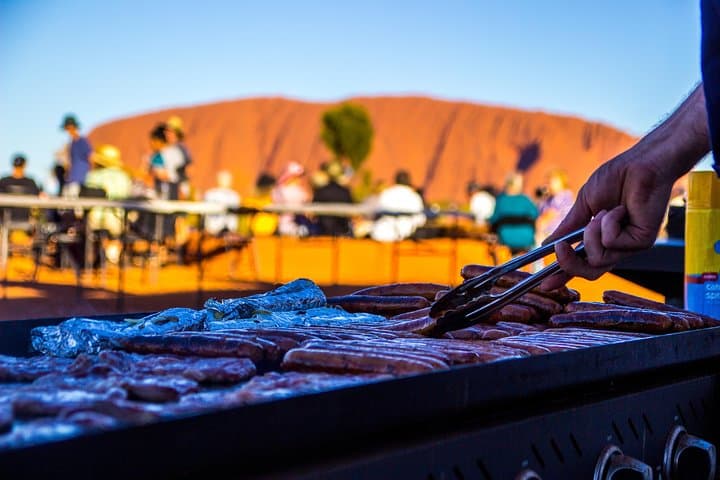
The day balances access and respect. Guides interpret creation stories and point out flora used for food and medicine; they explain that Uluru is more than a landscape feature — it is an active place in Anangu law. Geologically, the rock’s iron-rich surface oxidizes in sunlight, which is why it performs such dramatic color shifts at dawn and dusk. At sunset the group moves to a low ridge for a BBQ: a simple outback feast with sparkling wine and the ritual of letting the light leave the rock.
Practically, the tour is designed for a broad range of fitness. Walks are short and mostly flat, but temperatures can swing dramatically. Bring a full water bottle, a wide-brimmed hat, non-slip shoes, and layers for the night chill. Note the Uluru‑Kata Tjuta National Park pass must be purchased before travel if your date is after April 1, 2026. Also know climbing Uluru is permanently closed — respect for place is part of the program.
Timing matters: arrive with daylight left for clear views; stick with the group at the waterhole where rock art sites sit on fragile surfaces. Buy dot paintings and small artworks directly from Anangu at the Cultural Centre if you want authentic pieces that support local artists. Finally, let the setting sun do most of the work — nature will put on the show, and the evening meal will feel like an earned quiet celebration under one of Australia’s most singular landscapes.
moderate.
7 hours.
Suitable for travelers with average mobility; short, mostly flat walks but expect standing and some uneven ground.
Until 31 March 2026 the park fee is included; from 1 April 2026 you must purchase the Uluru‑Kata Tjuta National Park pass prior to tour.
No — climbing Uluru is permanently closed; the tour focuses on guided walks, cultural interpretation and viewing from approved areas.
Pickup from designated Ayers Rock Resort hotels occurs around early afternoon (confirmed upon booking); allow 15 minutes for bus arrival at your pickup point.
Yes — vegetarian and gluten‑free options are available; advise dietary requirements at booking so the provider can accommodate you.
Each person receives two drink vouchers for alcoholic beverages at sunset; additional purchases may be possible subject to local rules.
Children are welcome but must be accompanied by an adult; activities are low impact but require supervision around rock art and near the waterhole.
Uluru sits on Anangu land and holds deep spiritual significance; the Cultural Centre explains how traditional law guides current land management.
Park management balances visitor access with cultural protection; buying directly from Anangu artists and sticking to marked tracks helps support conservation efforts.
Emu Run Experience operates guided outdoor trips and adventures with an emphasis on safety, stewardship, and memorable experiences.
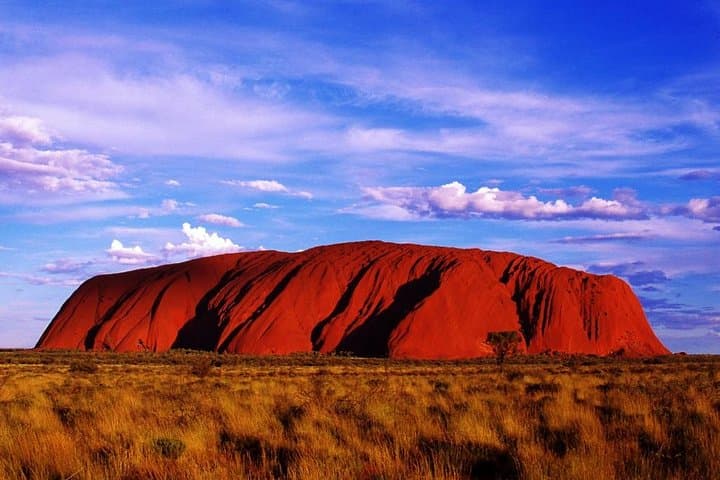
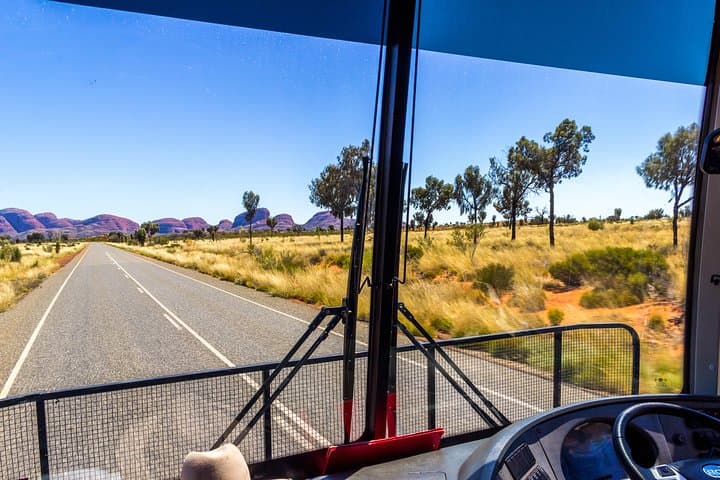
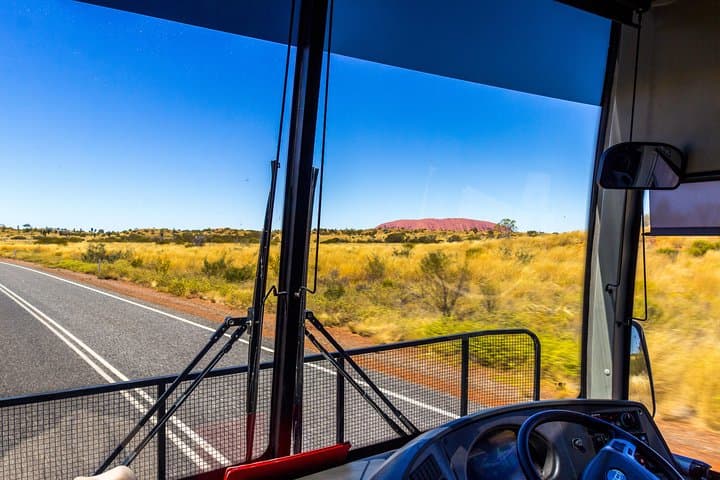
The coach hums beneath a wide, indifferent sky as the red plain stretches away in every direction. You step off beside an enormous monolith that seems to have grown out of the earth rather than sat upon it — Uluru looming, its western face already shifting from ochre to molten orange. Guides move with practiced ease, folding long scarves and passing chilled glasses; the air carries the dry, mineral smell of the Outback and the distant, quiet presence of law and story.
The coach hums beneath a wide, indifferent sky as the red plain stretches away in every direction. You step off beside an enormous monolith that seems to have grown out of the earth rather than sat upon it — Uluru looming, its western face already shifting from ochre to molten orange. Guides move with practiced ease, folding long scarves and passing chilled glasses; the air carries the dry, mineral smell of the Outback and the distant, quiet presence of law and story.
This afternoon-to-evening experience threads together geology, living culture and a well-paced sequence of walks and stops. Uluru is a 550 million–year-old sandstone inselberg, a remnant of ancient sedimentary layers now sculpted into sheer walls and water-carved grooves. The Mala Walk follows the rock’s north‑west flank where Anangu rock art and Dreaming tracks are etched into crevices; the Mutitjulu Waterhole is a small, deep mirror, home in legend to Wanampi, the ancestral water snake. The nearby Cultural Centre — built with local mud bricks — offers context: contemporary Anangu people remain the custodians of stories and practices that shape how visitors are asked to behave.
The day balances access and respect. Guides interpret creation stories and point out flora used for food and medicine; they explain that Uluru is more than a landscape feature — it is an active place in Anangu law. Geologically, the rock’s iron-rich surface oxidizes in sunlight, which is why it performs such dramatic color shifts at dawn and dusk. At sunset the group moves to a low ridge for a BBQ: a simple outback feast with sparkling wine and the ritual of letting the light leave the rock.
Practically, the tour is designed for a broad range of fitness. Walks are short and mostly flat, but temperatures can swing dramatically. Bring a full water bottle, a wide-brimmed hat, non-slip shoes, and layers for the night chill. Note the Uluru‑Kata Tjuta National Park pass must be purchased before travel if your date is after April 1, 2026. Also know climbing Uluru is permanently closed — respect for place is part of the program.
Timing matters: arrive with daylight left for clear views; stick with the group at the waterhole where rock art sites sit on fragile surfaces. Buy dot paintings and small artworks directly from Anangu at the Cultural Centre if you want authentic pieces that support local artists. Finally, let the setting sun do most of the work — nature will put on the show, and the evening meal will feel like an earned quiet celebration under one of Australia’s most singular landscapes.