THE ADVENTURE COLLECTIVE® · Independent discovery and booking for outdoor travel

Pack a thermos, a headlamp and patience: the ride to Top Station begins in darkness and rewards you with a dramatic sunrise over the Western Ghats, a short tea-plantation walk and panoramic lake and dam views.
Pack a thermos, a headlamp and patience: the ride to Top Station begins in darkness and rewards you with a dramatic sunrise over the Western Ghats, a short tea-plantation walk and panoramic lake and dam views.
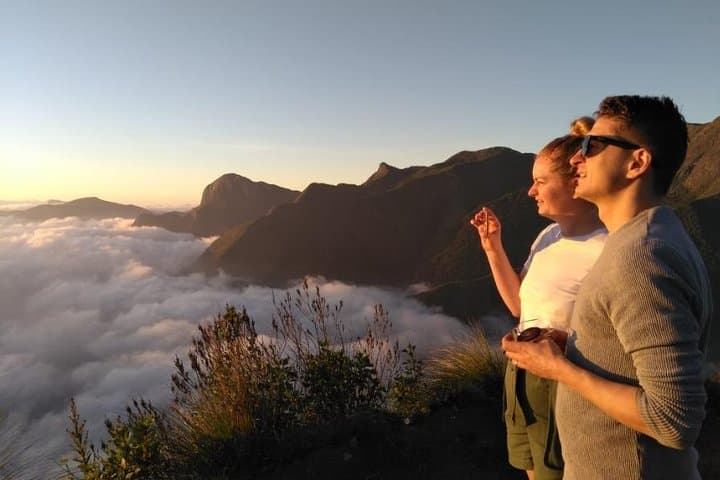
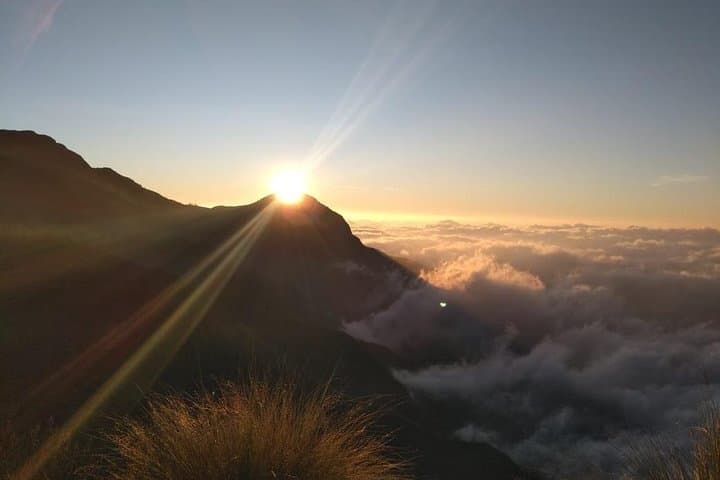
Before the sun lifts itself over the ridgeline, you’re already on the road—packed into a small jeep that rattles along a dark, narrow route where the world feels paused and the tea slopes sleep. The driver cuts the engine at a knoll and you step out into an ink-blue sky. Mist curls through the valleys like a living thing, and when the first line of light edges the horizon the whole hillside exhales.
Verified experiences and guided adventures in the surrounding area.
Operated by Munnar Info · Munnar, Kerala
Before the sun lifts itself over the ridgeline, you’re already on the road—packed into a small jeep that rattles along a dark, narrow route where the world feels paused and the tea slopes sleep. The driver cuts the engine at a knoll and you step out into an ink-blue sky. Mist curls through the valleys like a living thing, and when the first line of light edges the horizon the whole hillside exhales.
Top Station sits on the edge of the Western Ghats where Kerala fingers into Tamil Nadu. The viewpoint became famous in the early 20th century as the terminal for an aerial ropeway used to move Nilgiri tea and other goods; today that old ropeway station still points to the drop into the Chinnar valley and the long, carved rows of tea bushes below. Geologically, the Ghats are ancient—folded rock and deep lateritic soils giving rise to steep slopes that direct the rain into a web of streams and lakes. Culturally, the landscape is shaped by generations of smallholder tea cultivation and the tribal communities that have lived with this weather for centuries.
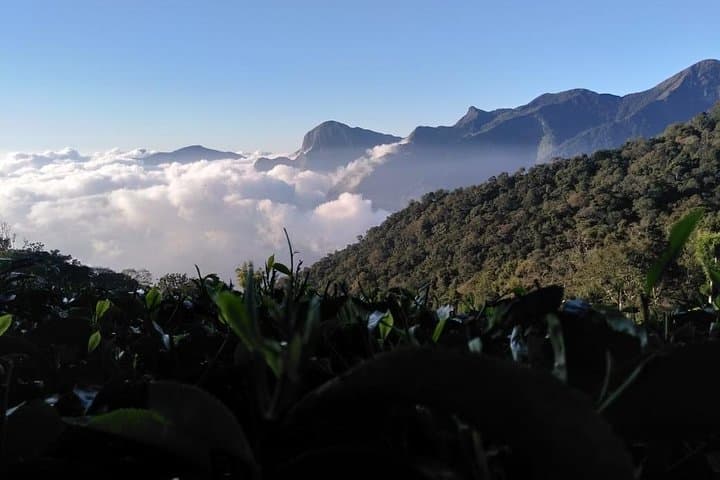
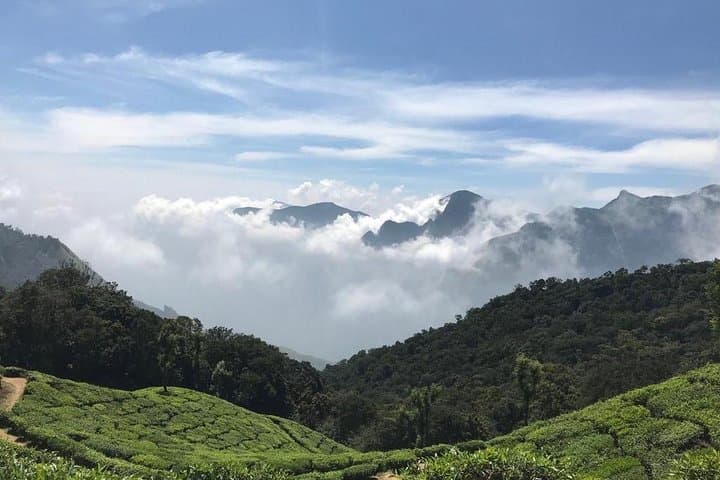
On the tour you’ll move between viewpoints: a short walk through manicured tea rows to the main summit, a stop at the old ropeway station for a valley view, and breaks that frame a dam and a nearby lake. Guides bring hot chai and simple breakfast bites—comforting after the pre-dawn chill—and the jeep handles the bumpy return roads. The air here is sharp: damp, green, smelling of earth and brewed leaves. Birdsong and the distant sound of water remind you the mountains are active partners, not a static backdrop.
For planning: departures are very early (pickups around 4:30 a.m.) and the whole outing runs about 4–5 hours. Trails are short—expect a 20–30 minute walk on uneven dirt and packed soil through tea plantations for the best viewpoints. Elevation at Top Station sits above 1,700 meters, so mornings can be cold year-round; layers are essential. Footwear should have grip for wet soil and dew-slick paths. Bring a small flashlight for the drive to the start point, a water bottle, and cash for small purchases or tips.
Timing matters: clear mornings deliver expansive dawn panoramas; monsoon clouds can cloak the hills but also create dramatic sea-of-clouds effects if the wind clears. Respect the plantations and local residents—stick to established paths, avoid trampling tea bushes, and carry out waste. At sunrise here the mountain doesn’t simply reveal a view; it nudges you forward, a slow, inevitable insistence that the day is beginning.
moderate.
4–5 hours.
Moderate fitness recommended—short uphill walks and standing at viewpoints; comfortable walking for 30 minutes.
The highlighted walk through the tea plantation is about 20–30 minutes on uneven ground; it's short but can be steep in places.
Infant seats are available but this tour involves early pickup times and bumpy roads; evaluate based on your child's tolerance for early starts and rough rides.
Yes—one stop provides a view of the old ropeway terminal and the valley below; it's a popular photo point on the itinerary.
The operator may cancel for poor visibility or heavy rain; full refunds are available if canceled at least 24 hours prior or by the supplier for unsafe conditions.
Light breakfast items, tea or coffee and bottled water are included as part of the tour package.
Yes—there are multiple hotel pickup options listed; confirm your pickup point when booking and expect the driver to arrive about 15 minutes early.
Top Station grew in prominence as the terminal of a tea ropeway in the early 20th century that shipped tea to lower plains; its transport legacy shaped the surrounding settlements.
The Western Ghats are a biodiversity hotspot; stay on paths, avoid litter, and support small local businesses to reduce impact.
Munnar Info operates guided outdoor trips and adventures with an emphasis on safety, stewardship, and memorable experiences.
Before the sun lifts itself over the ridgeline, you’re already on the road—packed into a small jeep that rattles along a dark, narrow route where the world feels paused and the tea slopes sleep. The driver cuts the engine at a knoll and you step out into an ink-blue sky. Mist curls through the valleys like a living thing, and when the first line of light edges the horizon the whole hillside exhales.
Before the sun lifts itself over the ridgeline, you’re already on the road—packed into a small jeep that rattles along a dark, narrow route where the world feels paused and the tea slopes sleep. The driver cuts the engine at a knoll and you step out into an ink-blue sky. Mist curls through the valleys like a living thing, and when the first line of light edges the horizon the whole hillside exhales.
Top Station sits on the edge of the Western Ghats where Kerala fingers into Tamil Nadu. The viewpoint became famous in the early 20th century as the terminal for an aerial ropeway used to move Nilgiri tea and other goods; today that old ropeway station still points to the drop into the Chinnar valley and the long, carved rows of tea bushes below. Geologically, the Ghats are ancient—folded rock and deep lateritic soils giving rise to steep slopes that direct the rain into a web of streams and lakes. Culturally, the landscape is shaped by generations of smallholder tea cultivation and the tribal communities that have lived with this weather for centuries.
On the tour you’ll move between viewpoints: a short walk through manicured tea rows to the main summit, a stop at the old ropeway station for a valley view, and breaks that frame a dam and a nearby lake. Guides bring hot chai and simple breakfast bites—comforting after the pre-dawn chill—and the jeep handles the bumpy return roads. The air here is sharp: damp, green, smelling of earth and brewed leaves. Birdsong and the distant sound of water remind you the mountains are active partners, not a static backdrop.
For planning: departures are very early (pickups around 4:30 a.m.) and the whole outing runs about 4–5 hours. Trails are short—expect a 20–30 minute walk on uneven dirt and packed soil through tea plantations for the best viewpoints. Elevation at Top Station sits above 1,700 meters, so mornings can be cold year-round; layers are essential. Footwear should have grip for wet soil and dew-slick paths. Bring a small flashlight for the drive to the start point, a water bottle, and cash for small purchases or tips.
Timing matters: clear mornings deliver expansive dawn panoramas; monsoon clouds can cloak the hills but also create dramatic sea-of-clouds effects if the wind clears. Respect the plantations and local residents—stick to established paths, avoid trampling tea bushes, and carry out waste. At sunrise here the mountain doesn’t simply reveal a view; it nudges you forward, a slow, inevitable insistence that the day is beginning.