THE ADVENTURE COLLECTIVE® · Independent discovery and booking for outdoor travel

Walk 90 minutes through the French Quarter with a knowledgeable guide who traces 300 years of architecture, culture, and commerce, ending—if you choose—with sugar-dusted beignets at Café du Monde. This compact tour is an efficient, sensory primer on New Orleans’ oldest neighborhood.
Walk 90 minutes through the French Quarter with a knowledgeable guide who traces 300 years of architecture, culture, and commerce, ending—if you choose—with sugar-dusted beignets at Café du Monde. This compact tour is an efficient, sensory primer on New Orleans’ oldest neighborhood.
The morning air in the French Quarter tastes faintly of coffee and sugar; steam from a fresh beignet carts up past wrought-iron balconies while a saxophone threads through the narrow streets. Meet at the corner of Royal and Toulouse and the city feels compressed and alive—three centuries of weathered brick and carved stone stacked against each other like pages in a well-thumbed book.
Verified experiences and guided adventures in the surrounding area.
Operated by Destination Kitchen · New Orleans, Louisiana
The morning air in the French Quarter tastes faintly of coffee and sugar; steam from a fresh beignet carts up past wrought-iron balconies while a saxophone threads through the narrow streets. Meet at the corner of Royal and Toulouse and the city feels compressed and alive—three centuries of weathered brick and carved stone stacked against each other like pages in a well-thumbed book.
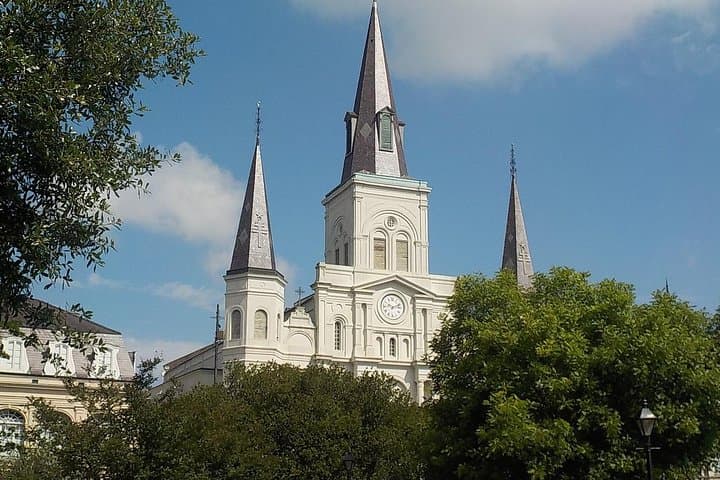
This 90-minute walking tour moves at a human pace, stopping at the St. Louis Cathedral steps of Jackson Square and spilling into alleys where Spanish clay tiles and French ironwork recall the Vieux Carré’s complicated past. Founded in 1718 by Jean-Baptiste Le Moyne de Bienville, the Quarter has been French, Spanish, and American in turn; its buildings are geological clocks of trade, fire and flood—stucco over brick, elevated galleries, and courtyard wells that speak to strategies for heat and hurricanes.
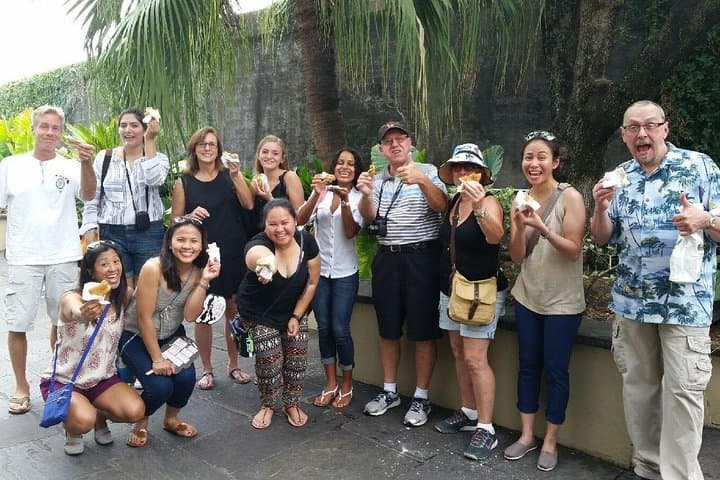
Cultural threads are visible in architecture and on the street: Creole townhouses that watch the Mississippi River, neighborhoods where accordion and brass push and pull the day forward, and platefuls of food that tell stories of migration and survival. A guide traces these stories with the precision of a cartographer, mapping the city’s politics and parties, its colonial rivalries and the commerce of sugar and cotton that shaped it.
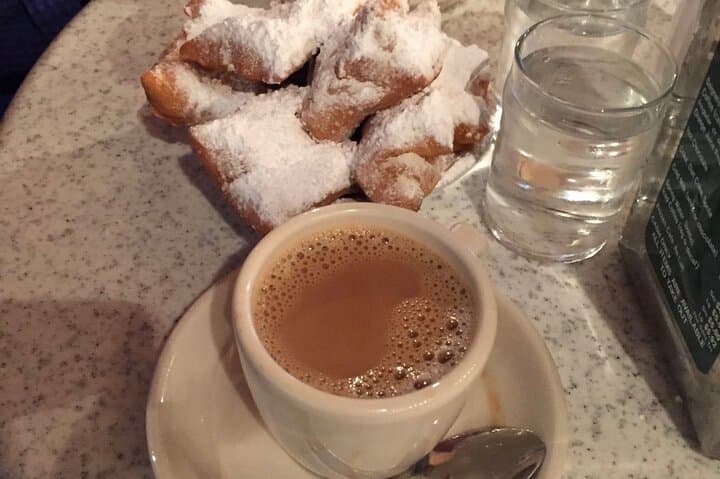
Finish optional with a ritual many locals still swear by: a sugar-dusted beignet and café au lait at Café du Monde. It’s more than a snack; it’s a gustatory anchor for the morning’s history—rich, hot, and unapologetically sweet.
Practicalities matter here as much as tales. The route is largely flat but includes uneven brick and occasional cobbles—comfortable shoes and a short stride are worth the investment. Midday heat and unpredictable showers can make the Quarter feel more intense than the map suggests; bring water and a light rain layer. Guides recommend arriving five minutes early; groups are small, capped at 15, and the best stories are easier to hear on the front row.
Respect the fabric of the Quarter: don’t climb on historic monuments, keep noise local musicians’ livelihoods with reasonable tips, and ask before photographing people close up. If you choose the beignet option, note the operator requests allergy notifications in advance—many traditional items include pork or gluten.
For travelers curious about the city’s deeper currents—plantation economies, jazz origins, and the resilience shown after storms—this tour is an efficient primer. It’s walking history with sugar on top: immersive, informative and intentionally human-scale.
easy.
1.5 hours (90 minutes).
Suitable for most fitness levels; requires walking and standing for up to 90 minutes.
The tour meets at 600 Royale St, at the corner of Royal and Toulouse—near the St. Louis Cathedral and Jackson Square; guides arrive five minutes early.
Yes, the tour lists wheelchair accessibility, though some streets and sidewalks are uneven; notify the operator in advance if you need assistance.
Full refunds are available if you cancel at least 24 hours before departure; see the operator’s 24-hour cancellation policy for exceptions.
Minors may attend with a parent or guardian, but children must remain under supervision at all times.
Menu items are traditional and often include gluten or pork in tastings; advise the operator of true food allergies when booking, but alternatives are limited.
Shared tours are capped at about 15 travelers, keeping commentary personal and questions easy to hear.
The Vieux Carré was established in 1718 and reflects French and Spanish colonial rule—its architecture records centuries of trade, fire, rebuilds and diverse cultural influence.
The Quarter’s historic fabric is fragile; visitors should avoid touching or climbing historic structures, support local businesses, and carry out trash to reduce wear on public spaces.
Destination Kitchen operates guided outdoor trips and adventures with an emphasis on safety, stewardship, and memorable experiences.

The morning air in the French Quarter tastes faintly of coffee and sugar; steam from a fresh beignet carts up past wrought-iron balconies while a saxophone threads through the narrow streets. Meet at the corner of Royal and Toulouse and the city feels compressed and alive—three centuries of weathered brick and carved stone stacked against each other like pages in a well-thumbed book.
The morning air in the French Quarter tastes faintly of coffee and sugar; steam from a fresh beignet carts up past wrought-iron balconies while a saxophone threads through the narrow streets. Meet at the corner of Royal and Toulouse and the city feels compressed and alive—three centuries of weathered brick and carved stone stacked against each other like pages in a well-thumbed book.
This 90-minute walking tour moves at a human pace, stopping at the St. Louis Cathedral steps of Jackson Square and spilling into alleys where Spanish clay tiles and French ironwork recall the Vieux Carré’s complicated past. Founded in 1718 by Jean-Baptiste Le Moyne de Bienville, the Quarter has been French, Spanish, and American in turn; its buildings are geological clocks of trade, fire and flood—stucco over brick, elevated galleries, and courtyard wells that speak to strategies for heat and hurricanes.
Cultural threads are visible in architecture and on the street: Creole townhouses that watch the Mississippi River, neighborhoods where accordion and brass push and pull the day forward, and platefuls of food that tell stories of migration and survival. A guide traces these stories with the precision of a cartographer, mapping the city’s politics and parties, its colonial rivalries and the commerce of sugar and cotton that shaped it.
Finish optional with a ritual many locals still swear by: a sugar-dusted beignet and café au lait at Café du Monde. It’s more than a snack; it’s a gustatory anchor for the morning’s history—rich, hot, and unapologetically sweet.
Practicalities matter here as much as tales. The route is largely flat but includes uneven brick and occasional cobbles—comfortable shoes and a short stride are worth the investment. Midday heat and unpredictable showers can make the Quarter feel more intense than the map suggests; bring water and a light rain layer. Guides recommend arriving five minutes early; groups are small, capped at 15, and the best stories are easier to hear on the front row.
Respect the fabric of the Quarter: don’t climb on historic monuments, keep noise local musicians’ livelihoods with reasonable tips, and ask before photographing people close up. If you choose the beignet option, note the operator requests allergy notifications in advance—many traditional items include pork or gluten.
For travelers curious about the city’s deeper currents—plantation economies, jazz origins, and the resilience shown after storms—this tour is an efficient primer. It’s walking history with sugar on top: immersive, informative and intentionally human-scale.