THE ADVENTURE COLLECTIVE® · Independent discovery and booking for outdoor travel

See Strasbourg’s essentials in an hour with a knowledgeable local: from Notre‑Dame’s Gothic spire to the waterways of Petite‑France, plus café and bar tips to extend your visit.
See Strasbourg’s essentials in an hour with a knowledgeable local: from Notre‑Dame’s Gothic spire to the waterways of Petite‑France, plus café and bar tips to extend your visit.
You meet at the War Memorial in Place de la République and the city unfurls before you — a tangle of stone, timbered façades and the slow ribbon of the Ill River daring you to follow. In sixty focused minutes a Local threads the route from Cathédrale Notre‑Dame’s lace‑like Gothic façade through the terraces that peer over Petite‑France, skimming past the opera house and the defensive silhouette of the Barrage Vauban.
Verified experiences and guided adventures in the surrounding area.
Operated by LocalBini - The go-to platform for Experiences by Locals in Europe · Strasbourg, Grand Est
You meet at the War Memorial in Place de la République and the city unfurls before you — a tangle of stone, timbered façades and the slow ribbon of the Ill River daring you to follow. In sixty focused minutes a Local threads the route from Cathédrale Notre‑Dame’s lace‑like Gothic façade through the terraces that peer over Petite‑France, skimming past the opera house and the defensive silhouette of the Barrage Vauban.
Strasbourg’s streets reflect a border history: Roman foundations, medieval trade wealth, and a contested Franco‑German identity that shaped its language, cuisine and civic architecture. The cathedral’s sandstone spire speaks to the region’s geology — Vosges sandstone quarried centuries ago — while canals and bridges recall the city’s strategic river location on the Ill.
Culturally, you’ll hear about Alsatian traditions, local bistros where tarte flambée rules, and tips for navigating weekday markets. The walk is brisk but adaptable; Hosts tailor stops to group interests and pace, and it’s useful for orienting yourself before deeper exploration.
Practical guidance: arrive 15 minutes early, bring a charged phone for photos and city maps, and expect uneven cobbles around older squares. The route involves only flat to gently sloped streets, but shutters, narrow alleys and sudden tourist crowds can slow progress. If rain is forecast, a lightweight rain jacket is worth carrying. For first‑time visitors this express tour is efficient orientation — and a quick way to harvest local recommendations that save time and lead to better meals and quieter viewpoints later.
easy.
1–1.5 hours.
Suitable for most fitness levels; requires standing and walking on city pavements for the duration.
Yes—infants and small children can be accommodated in prams; the route is on city streets and generally stroller‑friendly though cobbles may be bumpy.
No—this is an orientation walking tour and does not include entry fees to museums, the cathedral interior or other paid attractions.
Groups are kept small, with a maximum of eight travelers to preserve interaction and allow personalized recommendations.
Tours are hosted by independent Local Hosts; language availability depends on the host—confirm at booking or in pre‑tour communications.
Strasbourg grew from a Roman camp into a medieval trading hub; its cathedral dominated civic identity through the Middle Ages and the city later became a crossroads between French and German rule.
The city manages riverfront access and promotes public transport to reduce congestion; visitors are encouraged to stick to paths, avoid littering waterways and support local businesses to minimize tourist pressure.
LocalBini - The go-to platform for Experiences by Locals in Europe operates guided outdoor trips and adventures with an emphasis on safety, stewardship, and memorable experiences.
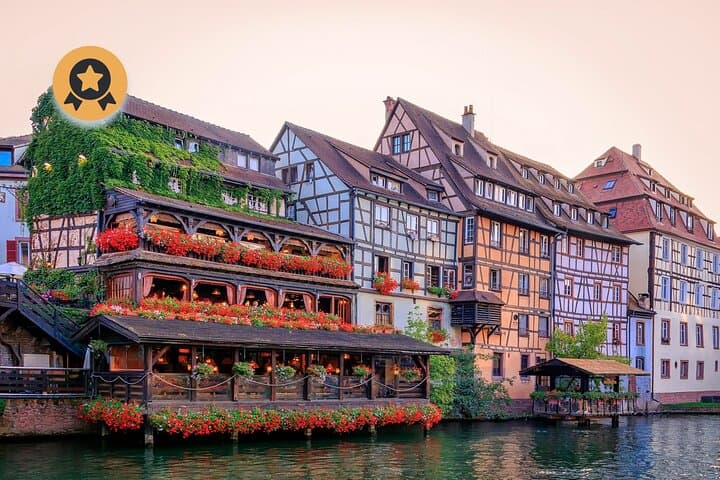
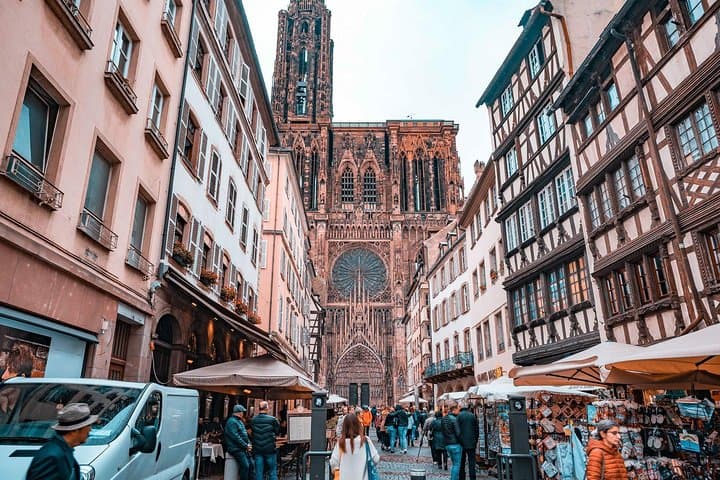
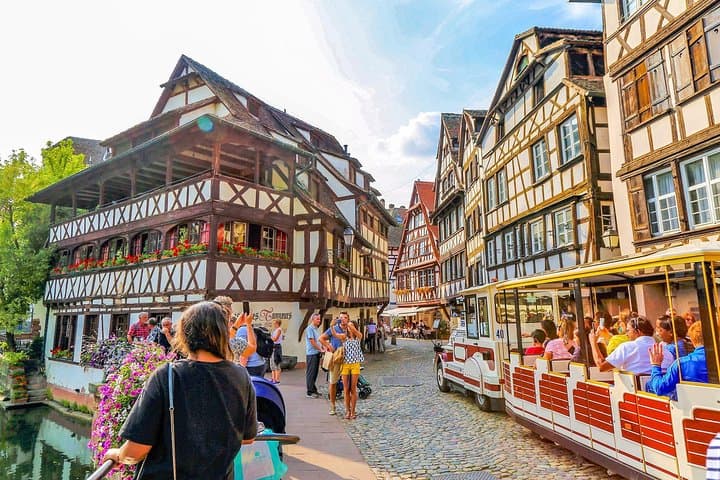
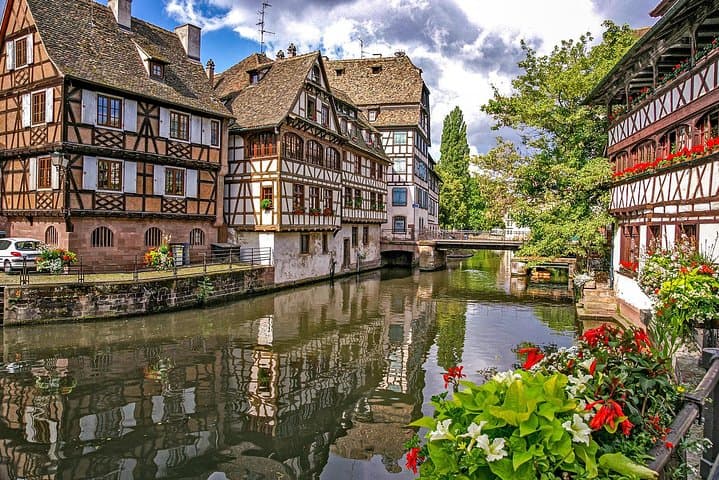
You meet at the War Memorial in Place de la République and the city unfurls before you — a tangle of stone, timbered façades and the slow ribbon of the Ill River daring you to follow. In sixty focused minutes a Local threads the route from Cathédrale Notre‑Dame’s lace‑like Gothic façade through the terraces that peer over Petite‑France, skimming past the opera house and the defensive silhouette of the Barrage Vauban.
You meet at the War Memorial in Place de la République and the city unfurls before you — a tangle of stone, timbered façades and the slow ribbon of the Ill River daring you to follow. In sixty focused minutes a Local threads the route from Cathédrale Notre‑Dame’s lace‑like Gothic façade through the terraces that peer over Petite‑France, skimming past the opera house and the defensive silhouette of the Barrage Vauban.
Strasbourg’s streets reflect a border history: Roman foundations, medieval trade wealth, and a contested Franco‑German identity that shaped its language, cuisine and civic architecture. The cathedral’s sandstone spire speaks to the region’s geology — Vosges sandstone quarried centuries ago — while canals and bridges recall the city’s strategic river location on the Ill.
Culturally, you’ll hear about Alsatian traditions, local bistros where tarte flambée rules, and tips for navigating weekday markets. The walk is brisk but adaptable; Hosts tailor stops to group interests and pace, and it’s useful for orienting yourself before deeper exploration.
Practical guidance: arrive 15 minutes early, bring a charged phone for photos and city maps, and expect uneven cobbles around older squares. The route involves only flat to gently sloped streets, but shutters, narrow alleys and sudden tourist crowds can slow progress. If rain is forecast, a lightweight rain jacket is worth carrying. For first‑time visitors this express tour is efficient orientation — and a quick way to harvest local recommendations that save time and lead to better meals and quieter viewpoints later.