THE ADVENTURE COLLECTIVE® · Independent discovery and booking for outdoor travel

Step out onto a waist‑deep Caribbean sandbank and meet the gentle stingrays of Antigua. This three‑hour round‑trip experience from St. John’s pairs easy accessibility with guided, respectful wildlife interaction for all ages.
Step out onto a waist‑deep Caribbean sandbank and meet the gentle stingrays of Antigua. This three‑hour round‑trip experience from St. John’s pairs easy accessibility with guided, respectful wildlife interaction for all ages.
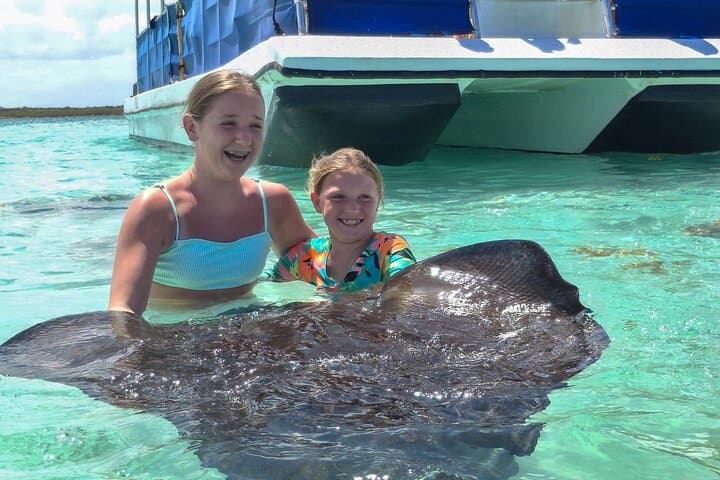
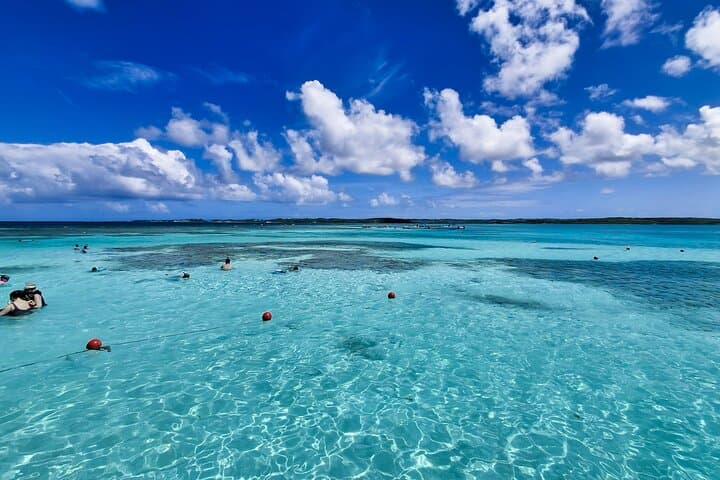
The boat hums and the shoreline of St. John’s falls away. In eight minutes the water flattens into a pale, walkable plain and the guide calls everyone over. Waist‑deep and warm, the sandbank feels like a stage set in the middle of the Caribbean: powdery underfoot, a ribbon of turquoise around you, and stingrays — broad, soft‑winged and curious — gliding like slow shadows beneath the surface.
Verified experiences and guided adventures in the surrounding area.
Operated by Antigua chiama IT Tour by C.M.W. · St. John's, Saint John
The boat hums and the shoreline of St. John’s falls away. In eight minutes the water flattens into a pale, walkable plain and the guide calls everyone over. Waist‑deep and warm, the sandbank feels like a stage set in the middle of the Caribbean: powdery underfoot, a ribbon of turquoise around you, and stingrays — broad, soft‑winged and curious — gliding like slow shadows beneath the surface.
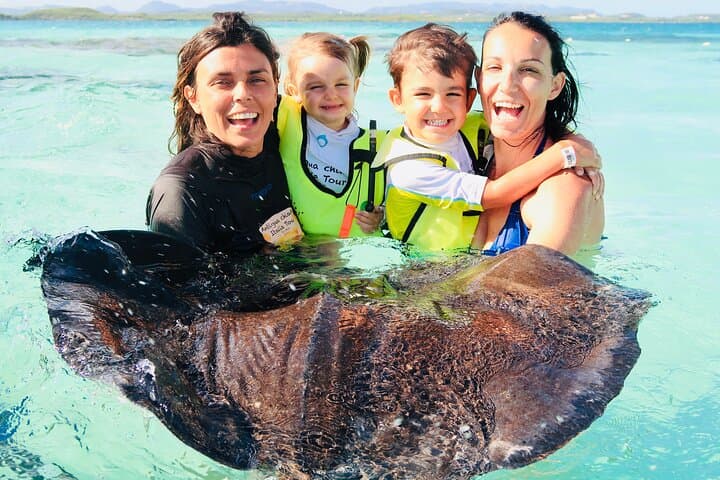
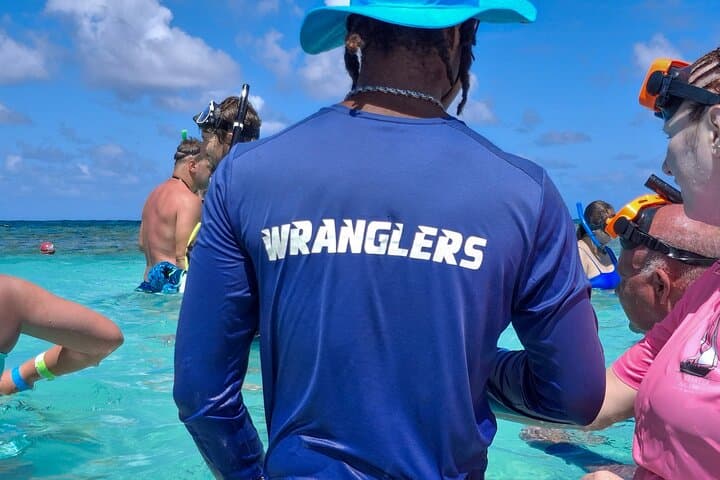
This is Stingray City Antigua, and the encounter is designed to be simple and immediate. You step out, feel the bottom at roughly 150 cm (4.75 ft) depending on tide, and a friendly ray nudges for inspection. Guides brief the group on gentle handling and animal welfare, and take photographs so you can leave the water with more than a memory.
Antigua’s coastline is a product of coral, limestone uplift, and the steady sweep of trade winds. Sandbars like this form where currents deposit calcified sediments, creating shallow pockets that attract marine life. Locally, visiting stingrays has become part of Antigua’s experiential tourism—an interpretation of maritime life that complements traditional pursuits here: fishing, boatbuilding, and rum‑soaked dockside stories.
The operators emphasize respect: these rays are not captive performers. The encounter is supervised, noninvasive, and geared for all ages — infants on laps, grandparents leaning on staff‑held flotation, novice snorkelers and those who simply want to stand and watch.
Practicalities matter. The total tour runs about three hours including hotel or cruise‑port transfer from St. John’s and an air‑conditioned van ride to Seatons village. You don’t need to be a strong swimmer; the experience is shallow and accessible. The company provides a rash guard (50 SPF), snorkel gear and bottled water, and offers a post‑swim rum or fruit punch for adults. Punctuality is essential — guides will treat a delay of more than ten minutes as a no‑show.
For the best visit, arrive early in the morning to beat cruise crowds and the peak sun. Leave jewelry and strong fragrances onshore, use reef‑safe sunscreen, and follow the guides’ instructions: no chasing, no sudden grabs, and keep fingers flat if you need to pet a ray.
Stingray City is short but unforgettable — a compact, graceful marine encounter that balances accessibility with clear conservation-minded rules. It’s ideal for anyone who wants to add a tactile, tropical animal experience to a broader Antigua itinerary without committing to hours at sea or deepwater snorkeling.
easy.
3 hours.
Suitable for all ages and fitness levels; you should be able to stand in waist‑deep water and move short distances in the sea.
Yes—infants can sit on a parent’s lap and the shallow sandbank is designed for families; staff assist with safety and photos.
No—water is typically waist‑deep and the boat lands on a sandbank so participants can stand; basic comfort in water is helpful.
No—these are wild stingrays in their natural habitat; guides manage interactions but do not keep or display animals in captivity.
Round‑trip transfers from specified hotels or the cruise port, snorkel gear, a rash guard (50 SPF), bottled water, and photos taken by guides are included.
Tours may be canceled for safety and refunded if weather prevents the outing—operators monitor conditions and will notify you in advance.
Yes—pickups are listed for many resorts and cruise passengers meet at a boardwalk point near the Exotic Antigua shop; confirm your location when booking.
Seatons and the surrounding harbors are part of Antigua’s seafaring tradition; sandbanks and reefs shaped local fishing and navigation for centuries.
Operators emphasize minimal‑impact interaction and reef‑safe products; guests should avoid touching coral and follow guide rules to protect marine life.
Antigua chiama IT Tour by C.M.W. operates guided outdoor trips and adventures with an emphasis on safety, stewardship, and memorable experiences.
The boat hums and the shoreline of St. John’s falls away. In eight minutes the water flattens into a pale, walkable plain and the guide calls everyone over. Waist‑deep and warm, the sandbank feels like a stage set in the middle of the Caribbean: powdery underfoot, a ribbon of turquoise around you, and stingrays — broad, soft‑winged and curious — gliding like slow shadows beneath the surface.
The boat hums and the shoreline of St. John’s falls away. In eight minutes the water flattens into a pale, walkable plain and the guide calls everyone over. Waist‑deep and warm, the sandbank feels like a stage set in the middle of the Caribbean: powdery underfoot, a ribbon of turquoise around you, and stingrays — broad, soft‑winged and curious — gliding like slow shadows beneath the surface.
This is Stingray City Antigua, and the encounter is designed to be simple and immediate. You step out, feel the bottom at roughly 150 cm (4.75 ft) depending on tide, and a friendly ray nudges for inspection. Guides brief the group on gentle handling and animal welfare, and take photographs so you can leave the water with more than a memory.
Antigua’s coastline is a product of coral, limestone uplift, and the steady sweep of trade winds. Sandbars like this form where currents deposit calcified sediments, creating shallow pockets that attract marine life. Locally, visiting stingrays has become part of Antigua’s experiential tourism—an interpretation of maritime life that complements traditional pursuits here: fishing, boatbuilding, and rum‑soaked dockside stories.
The operators emphasize respect: these rays are not captive performers. The encounter is supervised, noninvasive, and geared for all ages — infants on laps, grandparents leaning on staff‑held flotation, novice snorkelers and those who simply want to stand and watch.
Practicalities matter. The total tour runs about three hours including hotel or cruise‑port transfer from St. John’s and an air‑conditioned van ride to Seatons village. You don’t need to be a strong swimmer; the experience is shallow and accessible. The company provides a rash guard (50 SPF), snorkel gear and bottled water, and offers a post‑swim rum or fruit punch for adults. Punctuality is essential — guides will treat a delay of more than ten minutes as a no‑show.
For the best visit, arrive early in the morning to beat cruise crowds and the peak sun. Leave jewelry and strong fragrances onshore, use reef‑safe sunscreen, and follow the guides’ instructions: no chasing, no sudden grabs, and keep fingers flat if you need to pet a ray.
Stingray City is short but unforgettable — a compact, graceful marine encounter that balances accessibility with clear conservation-minded rules. It’s ideal for anyone who wants to add a tactile, tropical animal experience to a broader Antigua itinerary without committing to hours at sea or deepwater snorkeling.