THE ADVENTURE COLLECTIVE® · Independent discovery and booking for outdoor travel

Board a short ferry and swap ship decks for powdery sand and reef-guarded waters on this small-group St. John tour. From plantation ruins to Trunk Bay’s underwater trail, the day blends island history, lookout views and easy snorkeling.
Board a short ferry and swap ship decks for powdery sand and reef-guarded waters on this small-group St. John tour. From plantation ruins to Trunk Bay’s underwater trail, the day blends island history, lookout views and easy snorkeling.
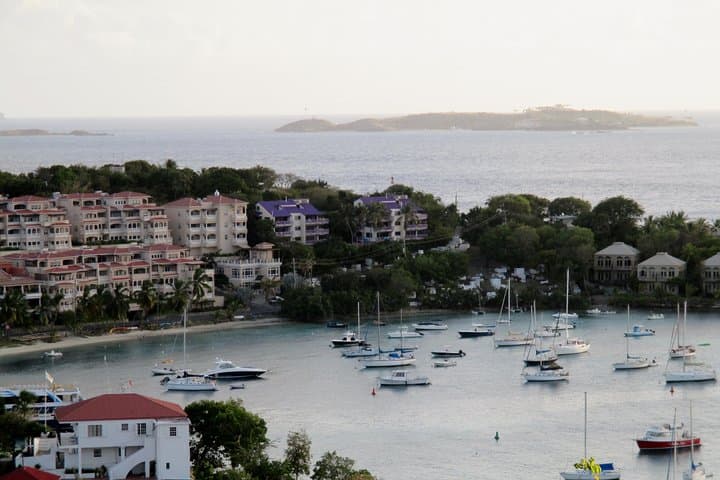
The ferry rocks like a promise as it cuts a bright ribbon between St. Thomas and St. John. Onboard, the Caribbean air slides through hair and camera straps while palms of sunlight splash across the deck. Minutes later you step ashore at Cruz Bay—the island’s small harbor town where painted buildings lean toward the sea, and a local guide waits to fold history and route maps into the day.
Verified experiences and guided adventures in the surrounding area.
Operated by Great Exploration Tours · Cruz Bay, U.S. Virgin Islands
The ferry rocks like a promise as it cuts a bright ribbon between St. Thomas and St. John. Onboard, the Caribbean air slides through hair and camera straps while palms of sunlight splash across the deck. Minutes later you step ashore at Cruz Bay—the island’s small harbor town where painted buildings lean toward the sea, and a local guide waits to fold history and route maps into the day.
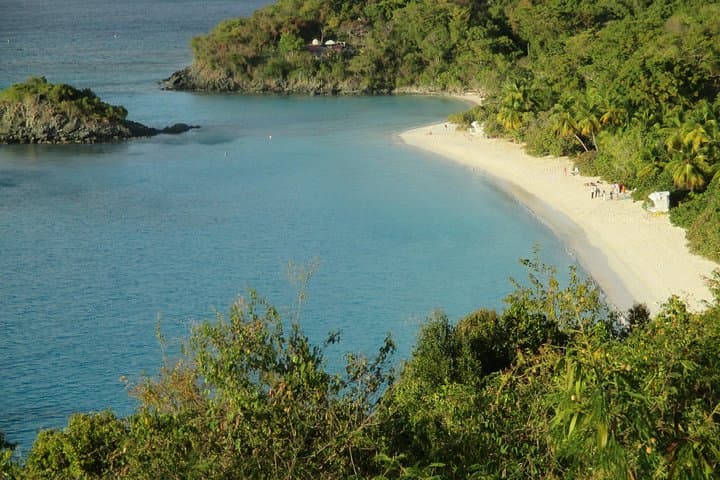
The tour moves with easy purpose: a brief coastal drive, stops at two national park overlooks, a short visit to Annaberg Plantation, then the stretch of Trunk Bay where the sand is pale and the reef waits like a guarded world beneath glassy water. The Virgin Islands National Park—founded in 1956—protects much of St. John’s interior and coastline, its limestone-and-coral soils shaped by reef-building and centuries of colonial agriculture. The Annaberg ruins whisper the island’s sugar-era past: stone press houses, cane troughs, and the quiet geometry of a plantation economy that shaped the landscape and culture.
Geology here reads like a layered script: igneous base rocks uplifted and weathered, with coral limestone forming the fringing reefs that shelter bays like Trunk. The park’s trails and overlooks give you vantage on this interplay—green hills that fall to beaches rimmed with fringing reefs. Local guides often fold in cultural notes: how fishing and small-scale tourism have replaced plantations, and how residents balance island life with seasonal cruise traffic.
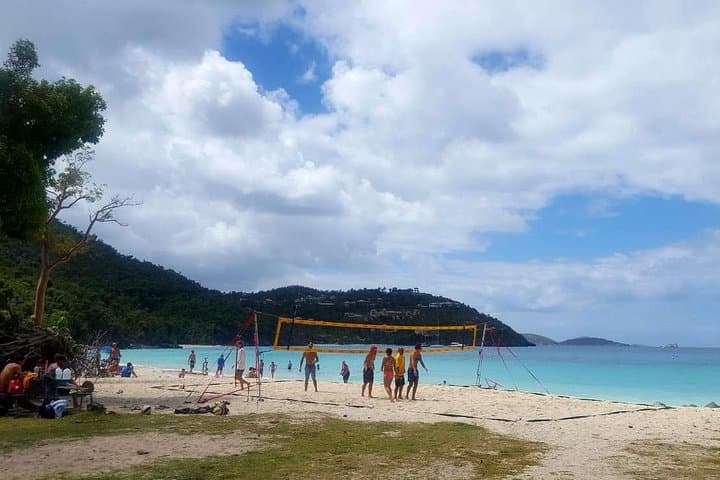
For travelers, the day is a series of contrasts—short drives through scrub and coconut palms, shallow snorkeling where parrotfish scold intruders, and the languid stay at Trunk Bay where you can rent snorkel gear, walk the marked underwater trail, or simply let the waves dare you into the surf.
Practical edge: ferry tickets are purchased at the Red Hook dock (roundtrip roughly $16.30 per person) and are not included. The tour lasts about four to five hours; expect moderate walking, short uneven paths at historic sites, and time on sun-exposed sand. Bring reef-safe sunscreen, a sturdy pair of water shoes if you plan to snorkel from rocks, and a small dry bag for electronics.
Timing matters—early departures avoid midday cruise crowds at Trunk Bay; late afternoons bring softer light but shorter snorkeling windows. Guides recommend rinsing off sand and changing into dry clothes before reboarding vehicles to keep the ride comfortable.
This is a compact introduction to St. John: half history lesson, half beach day, and all island personality—raw, instructive, and quietly magnetic.
moderate.
4–5 hours.
Moderate fitness; able to walk short uneven paths and stand for transfers between sites.
No. Roundtrip ferry tickets to St. John must be purchased separately at the Red Hook dock—currently about $16.30 per person.
Yes—pick-up and meet-up options exist for cruise passengers, but you must provide ship name, docking time and reboarding time at booking.
Yes. Trunk Bay has shallow, protected reef sections ideal for novice snorkelers; bring or rent a mask and stay within marked areas.
The ferry and some overlook areas are accessible, but plantation ruins and certain trails have uneven terrain; contact the supplier to confirm specific accessibility needs.
Bring reef-safe sunscreen, a hat, water, cash for ferry and park fees, a dry change of clothes, and motion-sickness meds if you’re sensitive to short ferry rides.
Full refunds are available if you cancel at least 24 hours before departure; tours can be cancelled due to weather or insufficient travelers.
Annaberg Plantation and other ruins are reminders of the 18th–19th century sugar economy that shaped St. John’s landscape and community.
The Virgin Islands National Park protects much of the island’s coastline; visitors are encouraged to use reef-safe products and avoid touching coral to minimize impact.
Great Exploration Tours operates guided outdoor trips and adventures with an emphasis on safety, stewardship, and memorable experiences.

The ferry rocks like a promise as it cuts a bright ribbon between St. Thomas and St. John. Onboard, the Caribbean air slides through hair and camera straps while palms of sunlight splash across the deck. Minutes later you step ashore at Cruz Bay—the island’s small harbor town where painted buildings lean toward the sea, and a local guide waits to fold history and route maps into the day.
The ferry rocks like a promise as it cuts a bright ribbon between St. Thomas and St. John. Onboard, the Caribbean air slides through hair and camera straps while palms of sunlight splash across the deck. Minutes later you step ashore at Cruz Bay—the island’s small harbor town where painted buildings lean toward the sea, and a local guide waits to fold history and route maps into the day.
The tour moves with easy purpose: a brief coastal drive, stops at two national park overlooks, a short visit to Annaberg Plantation, then the stretch of Trunk Bay where the sand is pale and the reef waits like a guarded world beneath glassy water. The Virgin Islands National Park—founded in 1956—protects much of St. John’s interior and coastline, its limestone-and-coral soils shaped by reef-building and centuries of colonial agriculture. The Annaberg ruins whisper the island’s sugar-era past: stone press houses, cane troughs, and the quiet geometry of a plantation economy that shaped the landscape and culture.
Geology here reads like a layered script: igneous base rocks uplifted and weathered, with coral limestone forming the fringing reefs that shelter bays like Trunk. The park’s trails and overlooks give you vantage on this interplay—green hills that fall to beaches rimmed with fringing reefs. Local guides often fold in cultural notes: how fishing and small-scale tourism have replaced plantations, and how residents balance island life with seasonal cruise traffic.
For travelers, the day is a series of contrasts—short drives through scrub and coconut palms, shallow snorkeling where parrotfish scold intruders, and the languid stay at Trunk Bay where you can rent snorkel gear, walk the marked underwater trail, or simply let the waves dare you into the surf.
Practical edge: ferry tickets are purchased at the Red Hook dock (roundtrip roughly $16.30 per person) and are not included. The tour lasts about four to five hours; expect moderate walking, short uneven paths at historic sites, and time on sun-exposed sand. Bring reef-safe sunscreen, a sturdy pair of water shoes if you plan to snorkel from rocks, and a small dry bag for electronics.
Timing matters—early departures avoid midday cruise crowds at Trunk Bay; late afternoons bring softer light but shorter snorkeling windows. Guides recommend rinsing off sand and changing into dry clothes before reboarding vehicles to keep the ride comfortable.
This is a compact introduction to St. John: half history lesson, half beach day, and all island personality—raw, instructive, and quietly magnetic.