THE ADVENTURE COLLECTIVE® · Independent discovery and booking for outdoor travel

Paddle the Matanzas estuary with an experienced guide and come face-to-face with dolphins, manatees and sea turtles. This two-hour guided kayak tour blends easy paddling with intimate wildlife viewing and local history.
Paddle the Matanzas estuary with an experienced guide and come face-to-face with dolphins, manatees and sea turtles. This two-hour guided kayak tour blends easy paddling with intimate wildlife viewing and local history.
Morning light strips silver across the Matanzas estuary as you push off from soft sand and the kayak takes the first little chop. The guide—easy laugh, blue long-sleeved shirt—plots a route through mangrove fingers and wide tidal channels, and within minutes a dorsal fin cleaves the glass: dolphins curving like punctuation in the water. The estuary seems alive in a way that demands your attention; manatees rise like slow islands to breathe, sea turtles glide past like ancient coins passed between currents.
Verified experiences and guided adventures in the surrounding area.
Operated by Three Brothers Boards Dolphin and Manatee Paddle Board Tours · St. Augustine, Florida
Morning light strips silver across the Matanzas estuary as you push off from soft sand and the kayak takes the first little chop. The guide—easy laugh, blue long-sleeved shirt—plots a route through mangrove fingers and wide tidal channels, and within minutes a dorsal fin cleaves the glass: dolphins curving like punctuation in the water. The estuary seems alive in a way that demands your attention; manatees rise like slow islands to breathe, sea turtles glide past like ancient coins passed between currents.
This is coastal northeast Florida: barrier islands, tidal creeks, and salt flats shaped by Pleistocene shoals and modern tides. St. Augustine’s waterways carried Timucua people long before Spanish ships arrived in 1565; today the river and its inlets support a rich estuarine ecology—seagrass beds that feed green turtles and manatees, oyster bars that stabilize the shoreline, and mangroves that cradle nesting birds.
Local guides lean into that history on the beach stop—a small clearing where shells gather and the guide talks about early maritime life and the role of the Matanzas in regional conservation. The company running this tour has been a recognizable voice on local waterways for years; their experience shows in quiet flourishes: spotting pink spoonbills tucked on a mudflat, timing the route around tide, briefing paddlers on how to read the water.
Practical details matter: this is a two-hour guided paddle, suitable for beginners but dependent on weather and tide. Expect roughly 3–4 miles of paddling across calm estuary channels with occasional wind chop. Bring a reusable water bottle, reef-safe sunscreen, and secure footwear for the brief beach landing. Photography requires patience; the best light is early morning when wildlife is active and the water mirrors the sky.
Respecting wildlife is non-negotiable—the guide enforces distance rules around manatees and sea turtles, and slow zones protect dolphin feeding areas. If you’re pregnant or have heart issues consult your doctor—the operator notes these restrictions. Tours often run in the cooler morning hours; summer afternoons can be hot and buggy.
For travelers, the reward is simple: steady paddling, close encounters, the tactile hum of the estuary. The trip is equal parts natural history lesson and quiet outdoor time—an accessible way to feel the current in your hands and leave the water cleaner than you found it.
easy.
2 hours.
Light aerobic fitness; able to paddle seated for 90–120 minutes with short breaks
It’s rated easy—suitable for beginners and families; you’ll sit and paddle for most of the two-hour tour with occasional short beach stops.
Common encounters include bottlenose dolphins, Florida manatees, sea turtles, and coastal birds like bald eagles and spoonbills, though sightings depend on season and tide.
Yes—life vests are provided and guides tailor routes to group ability; disclose age and any mobility concerns when booking.
The operator provides kayaks, paddles, and life vests; check with the shop ahead of time if you plan to use personal equipment.
Tours cancel for thunderstorms, high winds, or unsafe conditions; you’ll be offered a refund or reschedule if canceled at least 24 hours before departure.
Service animals are allowed; non-service pets are generally not permitted due to safety and wildlife regulations.
St. Augustine is the oldest continuously occupied European-established settlement in the continental U.S. (founded 1565); its waters have long supported fishing and maritime trade.
This estuary relies on seagrass and mangrove protection; follow slow-speed boating rules, avoid trampling seagrass, and use reef-safe sunscreen to reduce impact.
Three Brothers Boards Dolphin and Manatee Paddle Board Tours operates guided outdoor trips and adventures with an emphasis on safety, stewardship, and memorable experiences.
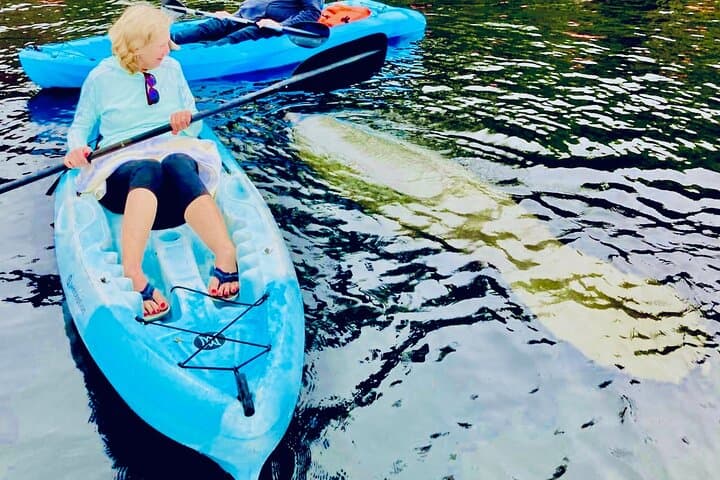
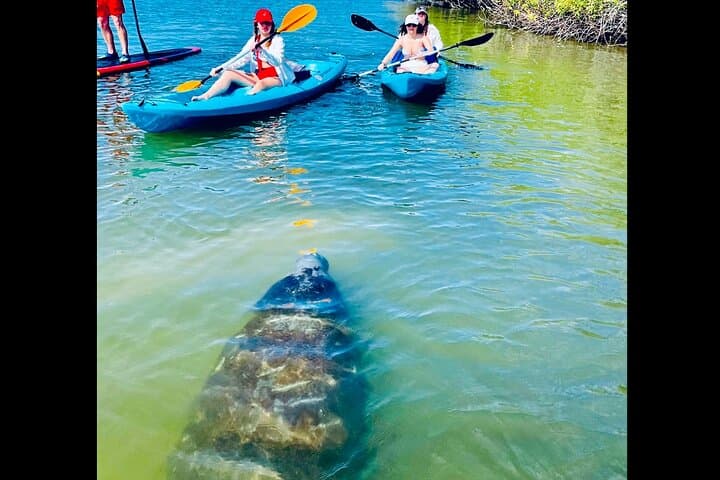
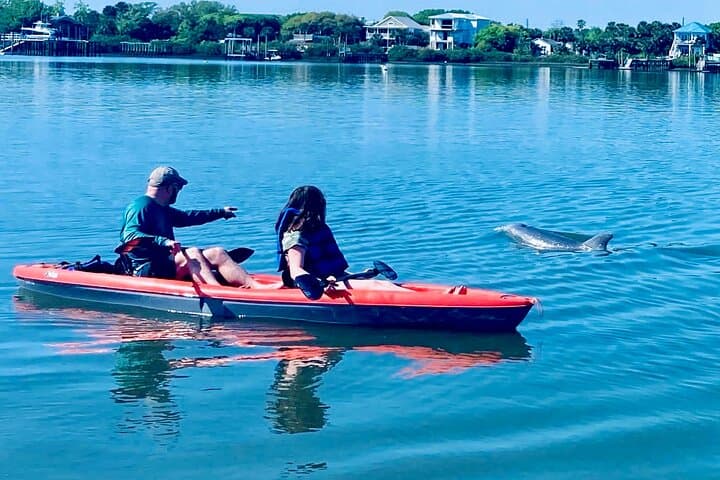
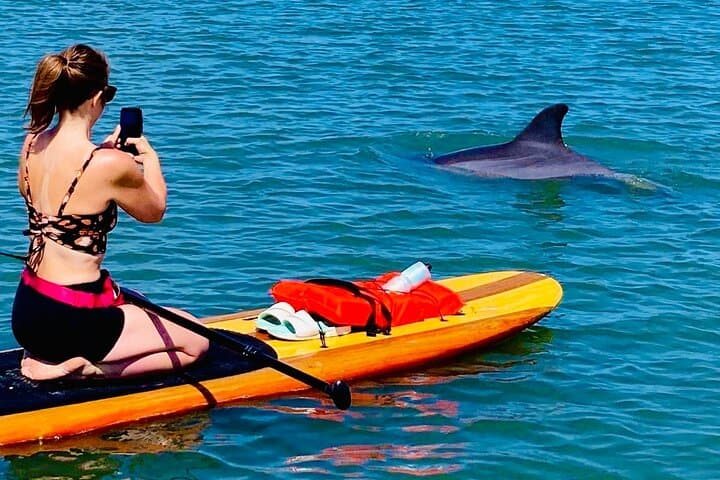
Morning light strips silver across the Matanzas estuary as you push off from soft sand and the kayak takes the first little chop. The guide—easy laugh, blue long-sleeved shirt—plots a route through mangrove fingers and wide tidal channels, and within minutes a dorsal fin cleaves the glass: dolphins curving like punctuation in the water. The estuary seems alive in a way that demands your attention; manatees rise like slow islands to breathe, sea turtles glide past like ancient coins passed between currents.
Morning light strips silver across the Matanzas estuary as you push off from soft sand and the kayak takes the first little chop. The guide—easy laugh, blue long-sleeved shirt—plots a route through mangrove fingers and wide tidal channels, and within minutes a dorsal fin cleaves the glass: dolphins curving like punctuation in the water. The estuary seems alive in a way that demands your attention; manatees rise like slow islands to breathe, sea turtles glide past like ancient coins passed between currents.
This is coastal northeast Florida: barrier islands, tidal creeks, and salt flats shaped by Pleistocene shoals and modern tides. St. Augustine’s waterways carried Timucua people long before Spanish ships arrived in 1565; today the river and its inlets support a rich estuarine ecology—seagrass beds that feed green turtles and manatees, oyster bars that stabilize the shoreline, and mangroves that cradle nesting birds.
Local guides lean into that history on the beach stop—a small clearing where shells gather and the guide talks about early maritime life and the role of the Matanzas in regional conservation. The company running this tour has been a recognizable voice on local waterways for years; their experience shows in quiet flourishes: spotting pink spoonbills tucked on a mudflat, timing the route around tide, briefing paddlers on how to read the water.
Practical details matter: this is a two-hour guided paddle, suitable for beginners but dependent on weather and tide. Expect roughly 3–4 miles of paddling across calm estuary channels with occasional wind chop. Bring a reusable water bottle, reef-safe sunscreen, and secure footwear for the brief beach landing. Photography requires patience; the best light is early morning when wildlife is active and the water mirrors the sky.
Respecting wildlife is non-negotiable—the guide enforces distance rules around manatees and sea turtles, and slow zones protect dolphin feeding areas. If you’re pregnant or have heart issues consult your doctor—the operator notes these restrictions. Tours often run in the cooler morning hours; summer afternoons can be hot and buggy.
For travelers, the reward is simple: steady paddling, close encounters, the tactile hum of the estuary. The trip is equal parts natural history lesson and quiet outdoor time—an accessible way to feel the current in your hands and leave the water cleaner than you found it.