THE ADVENTURE COLLECTIVE® · Independent discovery and booking for outdoor travel

A compact private tour that stitches Sri Lanka’s highland rituals to its southern shorelines. In six days you’ll climb Sigiriya, watch elephants in Minneriya, move through Kandy’s temple life and finish on Bentota’s beaches.
A compact private tour that stitches Sri Lanka’s highland rituals to its southern shorelines. In six days you’ll climb Sigiriya, watch elephants in Minneriya, move through Kandy’s temple life and finish on Bentota’s beaches.
You step off the car in Negombo with the smell of the Indian Ocean pressing at the windows and the city's colonial churches watching like old sentries. The tour moves like a well-ordered caravan: a private vehicle, a driver-guide who reads weather and traffic as if they were lines on a map, and an itinerary that keeps changing hues—rock fortress sunrise one morning, the low, green hum of a tea estate the next.
Verified experiences and guided adventures in the surrounding area.
Operated by Hellow Travel · Colombo, Western Province
You step off the car in Negombo with the smell of the Indian Ocean pressing at the windows and the city's colonial churches watching like old sentries. The tour moves like a well-ordered caravan: a private vehicle, a driver-guide who reads weather and traffic as if they were lines on a map, and an itinerary that keeps changing hues—rock fortress sunrise one morning, the low, green hum of a tea estate the next.
By day two you are at Sigiriya’s base, the rock rising in a single vertical assertion. Climbing its iron stairways, you pass ancient frescoes and terraces cut into the stone; history here is not abstract but climbed step by step. Sigiriya was transformed into a royal citadel in the 5th century CE by King Kasyapa, and its flattened summit still holds the geometry of imperial ambition. The surrounding plains are limestone and soils older than the kingdoms that ruled them; the rock itself is a hardened magma plug, resisting erosion and daring you to look back at how far you came.
Kandy threads in ritual and commerce. The Temple of the Tooth holds a relic that has shaped politics and piety for centuries; evening pujas and the rhythmic beat of drums make the city feel like a living ritual. In the hill country, tea estates roll like a green sea, a legacy of British plantation agriculture that reshaped local economies and landscapes.
Down south, Galle Fort's ramparts tell another chapter: Portuguese foundations reworked by Dutch engineers, coral stone and lime holding colonial histories like inscriptions. Bentota and the Madu River offer a softer world—mangroves that breathe and small islands where fishermen dry nets and monitor turtles. The Madu estuary is a Ramsar-listed wetland; its mangroves pull tides and birds into close conversation.
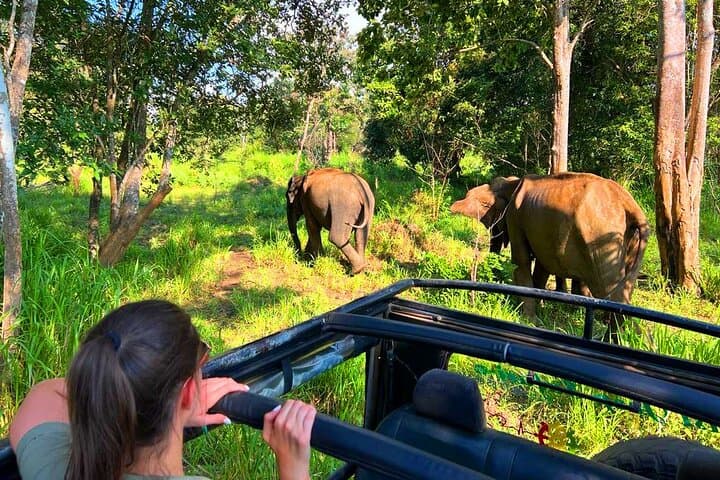
Practical guidance: pack a light daypack, bring shoes with good grip for Sigiriya’s stairs, and carry reef-safe sunscreen for the southern beaches. Mornings are the best time for wildlife and to climb before heat builds; late afternoons suit Galle’s golden light. For Minneriya safaris, binoculars and patience pay off—elephants often gather in the late dry season.
This private, 5-night itinerary moves quickly but thoughtfully: cultural highlights, a wildlife safari, a short white-water rafting stretch in Kitulgala, and coastal downtime in Bentota. Reserve hotel pickup times and passport details early; local entrances often require cash. Respect temple rules—cover shoulders and remove shoes—and follow guides' instructions during wildlife encounters to minimize disturbance.
In six days Sri Lanka offers both economy and depth: ancient rocks that keep watch, rivers that rearrange the coast, and communities where food and ritual are one way of reading place. Travel here demands curiosity and basic stamina—andRewards you with landscapes and histories that press close and won’t let go.
moderate.
5–6 days.
Suitable for travelers with average fitness—able to climb stairs, walk 2–4 hours on some days, and tolerate vehicle transfers.
Yes—the itinerary notes stroller and infant-seat accessibility; some activities like Sigiriya climbing may be difficult for very young children, but hotels and transfers are family-friendly.
Admission tickets are available at venues; the tour includes accommodations and transport but not all attraction admissions unless specified.
Breakfasts are included and guides can arrange meals to suit common dietary needs—inform the operator at booking.
Passport details are required at booking; check current vaccination and visa requirements with your embassy before travel.
Late dry season (September–December) often concentrates elephants in waterholes; early morning and late afternoon are prime times for sightings.
Yes—the Kitulgala rafting section included is beginner-friendly with safety briefings and modern rafts, but participants should be comfortable in moving water.
Sigiriya was converted into a fortified palace complex in the 5th century CE by King Kasyapa; Galle Fort reflects layered Portuguese and Dutch colonial building traditions.
The Madu River mangrove complex is Ramsar-listed; visitors should avoid disturbing mangroves and support local turtle conservation programs on the south coast.
Hellow Travel operates guided outdoor trips and adventures with an emphasis on safety, stewardship, and memorable experiences.

You step off the car in Negombo with the smell of the Indian Ocean pressing at the windows and the city's colonial churches watching like old sentries. The tour moves like a well-ordered caravan: a private vehicle, a driver-guide who reads weather and traffic as if they were lines on a map, and an itinerary that keeps changing hues—rock fortress sunrise one morning, the low, green hum of a tea estate the next.
You step off the car in Negombo with the smell of the Indian Ocean pressing at the windows and the city's colonial churches watching like old sentries. The tour moves like a well-ordered caravan: a private vehicle, a driver-guide who reads weather and traffic as if they were lines on a map, and an itinerary that keeps changing hues—rock fortress sunrise one morning, the low, green hum of a tea estate the next.
By day two you are at Sigiriya’s base, the rock rising in a single vertical assertion. Climbing its iron stairways, you pass ancient frescoes and terraces cut into the stone; history here is not abstract but climbed step by step. Sigiriya was transformed into a royal citadel in the 5th century CE by King Kasyapa, and its flattened summit still holds the geometry of imperial ambition. The surrounding plains are limestone and soils older than the kingdoms that ruled them; the rock itself is a hardened magma plug, resisting erosion and daring you to look back at how far you came.
Kandy threads in ritual and commerce. The Temple of the Tooth holds a relic that has shaped politics and piety for centuries; evening pujas and the rhythmic beat of drums make the city feel like a living ritual. In the hill country, tea estates roll like a green sea, a legacy of British plantation agriculture that reshaped local economies and landscapes.
Down south, Galle Fort's ramparts tell another chapter: Portuguese foundations reworked by Dutch engineers, coral stone and lime holding colonial histories like inscriptions. Bentota and the Madu River offer a softer world—mangroves that breathe and small islands where fishermen dry nets and monitor turtles. The Madu estuary is a Ramsar-listed wetland; its mangroves pull tides and birds into close conversation.
Practical guidance: pack a light daypack, bring shoes with good grip for Sigiriya’s stairs, and carry reef-safe sunscreen for the southern beaches. Mornings are the best time for wildlife and to climb before heat builds; late afternoons suit Galle’s golden light. For Minneriya safaris, binoculars and patience pay off—elephants often gather in the late dry season.
This private, 5-night itinerary moves quickly but thoughtfully: cultural highlights, a wildlife safari, a short white-water rafting stretch in Kitulgala, and coastal downtime in Bentota. Reserve hotel pickup times and passport details early; local entrances often require cash. Respect temple rules—cover shoulders and remove shoes—and follow guides' instructions during wildlife encounters to minimize disturbance.
In six days Sri Lanka offers both economy and depth: ancient rocks that keep watch, rivers that rearrange the coast, and communities where food and ritual are one way of reading place. Travel here demands curiosity and basic stamina—andRewards you with landscapes and histories that press close and won’t let go.