THE ADVENTURE COLLECTIVE® · Independent discovery and booking for outdoor travel

A full-day private transfer from Split to Zagreb that pauses for a four-hour self-guided visit to Plitvice Lakes National Park and a riverside lunch in the mill village of Rastoke. Ideal for travelers who want to cover iconic Croatian highlights without navigating buses.
A full-day private transfer from Split to Zagreb that pauses for a four-hour self-guided visit to Plitvice Lakes National Park and a riverside lunch in the mill village of Rastoke. Ideal for travelers who want to cover iconic Croatian highlights without navigating buses.
The morning in Split sifts out of the harbor like a crowd spilling from a theatre—cobbled alleys emptying, cafes lighting up, and a private van idling beneath a palm-shadowed street. You settle into climate-controlled comfort and push inland, leaving Adriatic blue for a changing palette of karst ridges and fir-sprigged hills. By noon the van hums up the narrow road to Plitvice Lakes National Park, where the voice of water takes over: waterfalls calling across travertine shelves, lakes layered in impossible blues.
Verified experiences and guided adventures in the surrounding area.
Operated by Wanderer · Plitvička Jezera, Lika-Senj County
The morning in Split sifts out of the harbor like a crowd spilling from a theatre—cobbled alleys emptying, cafes lighting up, and a private van idling beneath a palm-shadowed street. You settle into climate-controlled comfort and push inland, leaving Adriatic blue for a changing palette of karst ridges and fir-sprigged hills. By noon the van hums up the narrow road to Plitvice Lakes National Park, where the voice of water takes over: waterfalls calling across travertine shelves, lakes layered in impossible blues.
Plitvice is geology on display. Sixteen lakes cascade over natural travertine dams—calcium carbonate deposits that build and rebuild the park’s stepped terraces. The park sits on the boundary between dolomite in the upper lakes and limestone below, a quiet collision that sculpts dramatic falls such as Veliki Slap, the 78-meter drop that announces itself before you see it. Nearby Rastoke is a different kind of water story: the Slunjčica river threads the village, turning centuries-old mills and wooden bridges into a compact ethno-village where every churned wheel reminds you how communities once harnessed these currents.
Culturally, the route links two Croatian rhythms: Split’s Mediterranean bustle and the inland Lika region’s forested hush. Plitvice earned UNESCO status in 1979 for its unique hydrology and biodiversity; Rastoke preserves traditional milling architecture and local recipes—perfect stops to taste the landscape.
Practically, this is a long but efficient day. The itinerary gives roughly four hours for a self-guided Plitvice walk—enough for the lower lakes circuit and a steady pace along boardwalks and steps. Trails are well maintained but include stairs and occasional muddy sections after rain; waterproof footwear that grips is useful. Tickets to the national park are not included; purchase them in advance on the park’s official site to secure your entry window and avoid lines. Plan for variable weather: mountain air can be cool even in summer, and midday crowds peak at the most famous viewpoints.
Tips that matter: hydrate and carry snacks for a mid-trail pick-up, bring a compact rain layer, and set aside time in Rastoke for a riverside lunch—local trout and simple stews are common. For photographers, the best light hits late afternoon when the falls soften and the terraces glow.
The trip ends with a comfortable drive into Zagreb, the city arriving as twilight softens its Austro-Hungarian façades. In one day you move from sea to highland, from engineered palms to ancient mills and waterfalls that keep shaping themselves. It’s a condensed cross-section of Croatia’s varied landscapes—accessible, instructive, and quietly insistent that water, in its many moods, runs the country’s story.
moderate.
11 hours (full day).
Good for travelers who can walk 3–4 hours over uneven boardwalks and stairs; short standing periods and moderate pace required.
No—tickets for Plitvice Lakes are not included. Purchase timed-entry tickets on the national park’s official website; prices vary by season and age.
The transfer offers door-to-door pickup from hotels and central locations in Split; specify your pickup point when booking.
The route consists mostly of boardwalks and stairs with modest elevation change—suitable for most fitness levels able to walk 3–4 hours.
Lunch in Rastoke is not included; there is a scheduled stop for a meal where you can sample local dishes.
Yes—this is a one-way private transfer from Split to Zagreb with stops at Plitvice and Rastoke as described.
Service animals are allowed; pets in general should be confirmed with the supplier in advance.
Plitvice’s travertine terraces formed over millennia and the park was designated a UNESCO World Heritage Site in 1979; Rastoke grew historically around watermills that powered local grain and timber industries.
Plitvice limits visitor numbers and enforces staying on marked paths to protect fragile travertine formations; plan ahead and follow park rules to minimize impact.
Wanderer operates guided outdoor trips and adventures with an emphasis on safety, stewardship, and memorable experiences.
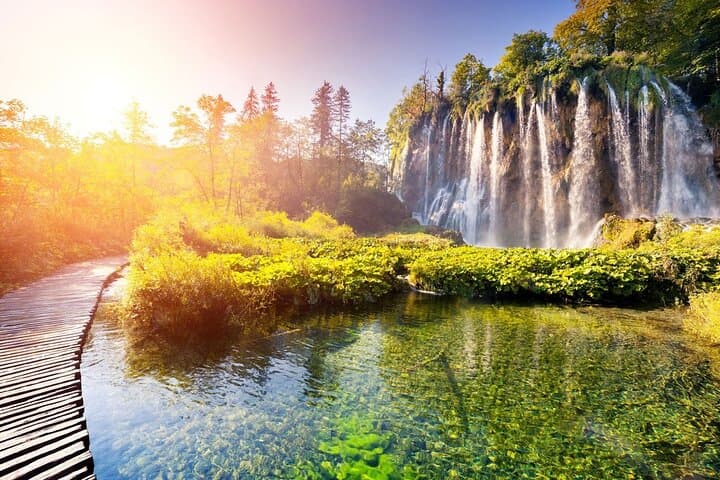
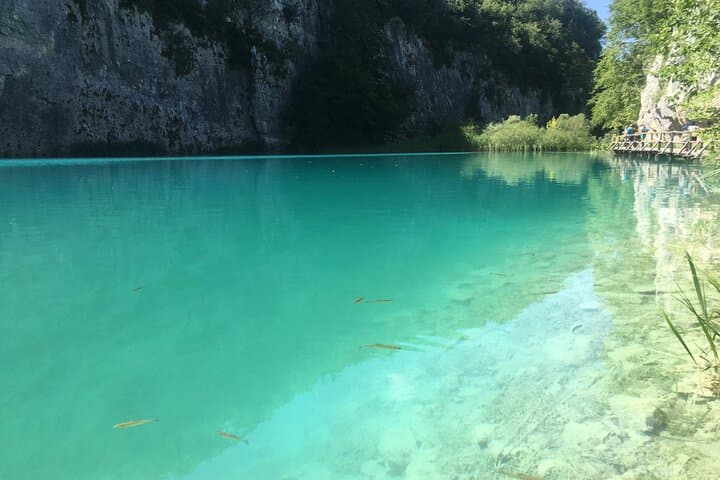
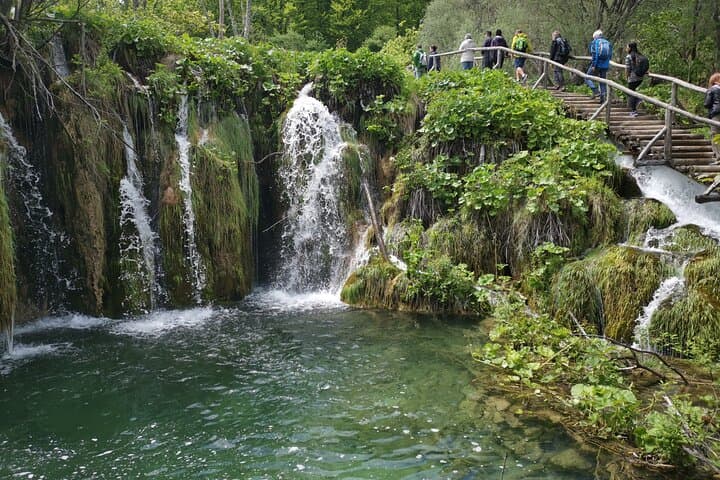
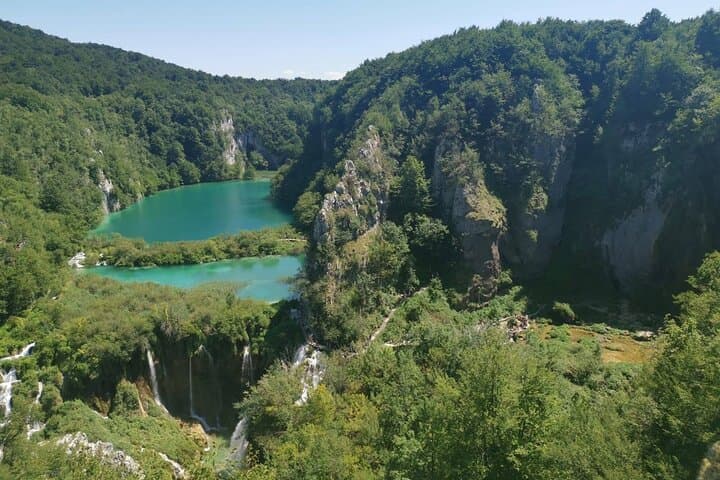
The morning in Split sifts out of the harbor like a crowd spilling from a theatre—cobbled alleys emptying, cafes lighting up, and a private van idling beneath a palm-shadowed street. You settle into climate-controlled comfort and push inland, leaving Adriatic blue for a changing palette of karst ridges and fir-sprigged hills. By noon the van hums up the narrow road to Plitvice Lakes National Park, where the voice of water takes over: waterfalls calling across travertine shelves, lakes layered in impossible blues.
The morning in Split sifts out of the harbor like a crowd spilling from a theatre—cobbled alleys emptying, cafes lighting up, and a private van idling beneath a palm-shadowed street. You settle into climate-controlled comfort and push inland, leaving Adriatic blue for a changing palette of karst ridges and fir-sprigged hills. By noon the van hums up the narrow road to Plitvice Lakes National Park, where the voice of water takes over: waterfalls calling across travertine shelves, lakes layered in impossible blues.
Plitvice is geology on display. Sixteen lakes cascade over natural travertine dams—calcium carbonate deposits that build and rebuild the park’s stepped terraces. The park sits on the boundary between dolomite in the upper lakes and limestone below, a quiet collision that sculpts dramatic falls such as Veliki Slap, the 78-meter drop that announces itself before you see it. Nearby Rastoke is a different kind of water story: the Slunjčica river threads the village, turning centuries-old mills and wooden bridges into a compact ethno-village where every churned wheel reminds you how communities once harnessed these currents.
Culturally, the route links two Croatian rhythms: Split’s Mediterranean bustle and the inland Lika region’s forested hush. Plitvice earned UNESCO status in 1979 for its unique hydrology and biodiversity; Rastoke preserves traditional milling architecture and local recipes—perfect stops to taste the landscape.
Practically, this is a long but efficient day. The itinerary gives roughly four hours for a self-guided Plitvice walk—enough for the lower lakes circuit and a steady pace along boardwalks and steps. Trails are well maintained but include stairs and occasional muddy sections after rain; waterproof footwear that grips is useful. Tickets to the national park are not included; purchase them in advance on the park’s official site to secure your entry window and avoid lines. Plan for variable weather: mountain air can be cool even in summer, and midday crowds peak at the most famous viewpoints.
Tips that matter: hydrate and carry snacks for a mid-trail pick-up, bring a compact rain layer, and set aside time in Rastoke for a riverside lunch—local trout and simple stews are common. For photographers, the best light hits late afternoon when the falls soften and the terraces glow.
The trip ends with a comfortable drive into Zagreb, the city arriving as twilight softens its Austro-Hungarian façades. In one day you move from sea to highland, from engineered palms to ancient mills and waterfalls that keep shaping themselves. It’s a condensed cross-section of Croatia’s varied landscapes—accessible, instructive, and quietly insistent that water, in its many moods, runs the country’s story.