THE ADVENTURE COLLECTIVE® · Independent discovery and booking for outdoor travel

A long private transfer from Split to Plitvice Lakes that finishes in Zagreb—this full-day route threads wooden boardwalks, roaring falls and turquoise lakes into a single, unforgettable day. Plan for a 10–12 hour day, early starts for quiet views, and check guide requirements before arrival.
A long private transfer from Split to Plitvice Lakes that finishes in Zagreb—this full-day route threads wooden boardwalks, roaring falls and turquoise lakes into a single, unforgettable day. Plan for a 10–12 hour day, early starts for quiet views, and check guide requirements before arrival.
You step out of the minivan into a world that sounds before it shows itself—the constant, impatient hush of falling water is the first thing that takes the city out of you. A driver closes the door, offers a map and a time window, and the path ahead is a network of wooden boardwalks that course across jade lakes and under curtains of spray. For a single long day you move from Split’s Dalmatian coastline into the thick, green lungs of Croatia’s interior, where the Plitvice Lakes dare you to slow down.
Verified experiences and guided adventures in the surrounding area.
Operated by Private Tours Travel Agency · Plitvička Jezera, Lika-Senj County
You step out of the minivan into a world that sounds before it shows itself—the constant, impatient hush of falling water is the first thing that takes the city out of you. A driver closes the door, offers a map and a time window, and the path ahead is a network of wooden boardwalks that course across jade lakes and under curtains of spray. For a single long day you move from Split’s Dalmatian coastline into the thick, green lungs of Croatia’s interior, where the Plitvice Lakes dare you to slow down.
Plitvice National Park was declared a UNESCO World Heritage Site in 1979 for a reason: a limestone plateau, underground rivers and cascading travertine dams have built a stepped chain of sixteen lakes over millennia. Geology here does the storytelling—water dissolving and redepositing calcium carbonate, terraces forming like slow-motion architecture. Human history brushes the edges too. Nearby Rastoke village shows the region’s centuries-old relationship with watermills, and the scars of 20th-century conflict sit quietly in small museums along the route, a reminder that this landscape has been lived in and fought over.
Culture in the area is straightforward and rural; eateries serve kaya (simple stews), grilled trout from local streams and honey-sweet desserts. Local guides, when included, add value by pointing out microhabitats where endemic plants cling to shaded limestone and by explaining the park’s recent access policies—check whether a licensed park guide is required for your visit and whether entrances are restricted during high season.
Practicalities shape the day: the private transfer runs about 10–12 hours depending on pickup and traffic, dropping you at Entrance 1 and collecting at Entrance 2 so you can traverse the lakes without backtracking. The walk along boardwalks is easy underfoot but long—expect several miles and many steps. Wear grippy shoes; bring a breathable rain shell for spray and sudden showers. Bring cash or card for park admission, and plan to arrive early if you want quieter viewpoints.
Timing matters. Early morning and late afternoon soften crowds and paint the terraces gold; midday highlights the lakes’ turquoise clarity. Photography rewards patience—look for reflections on calm stretches and the roar at Veliki Slap (Big Waterfall) for dramatic movement. Conservation is active here: stick to boardwalks, carry out trash and respect posted signs—the travertine rims are fragile and take decades to reform.
This private transfer is less about speed and more about curated time in nature: a driver who knows the road, the option for a licensed local guide, and a long day that ends in Zagreb rather than back in Split. It’s the kind of trip that asks for sturdy feet and an appetite for seeing water in motion.
moderate.
10–12 hours.
Should be comfortable walking several miles with stairs and standing for photo stops; good for regular walkers.
Regulations can vary—some operators recommend or require a licensed local guide for certain groups or routes; confirm with your tour provider before travel.
Entrance 1 gives quicker access to the upper lakes and boardwalk views, while areas near Veliki Slap and the lower lakes (closer to Entrance 2) offer dramatic waterfall shots.
Expect several miles of walking across boardwalks and paths—typical self-guided circuits take 2–4 hours depending on pace and stops.
This private transfer includes transport from Split, time at the park, and drop-off in Zagreb as described in the itinerary.
Meals are not included—drivers can suggest local restaurants like those in Rastoke or nearby villages for traditional fare.
The operator notes stroller accessibility along many paths, but some steps and narrower boardwalk sections may be challenging with a pram.
The lakes formed over thousands of years by travertine deposition; nearby villages like Rastoke showcase historic mill culture tied to the waterways.
Park management enforces boardwalks and visitor limits to protect travertine growth; visitors are asked to stay on trails and avoid swimming, which is prohibited.
Private Tours Travel Agency operates guided outdoor trips and adventures with an emphasis on safety, stewardship, and memorable experiences.
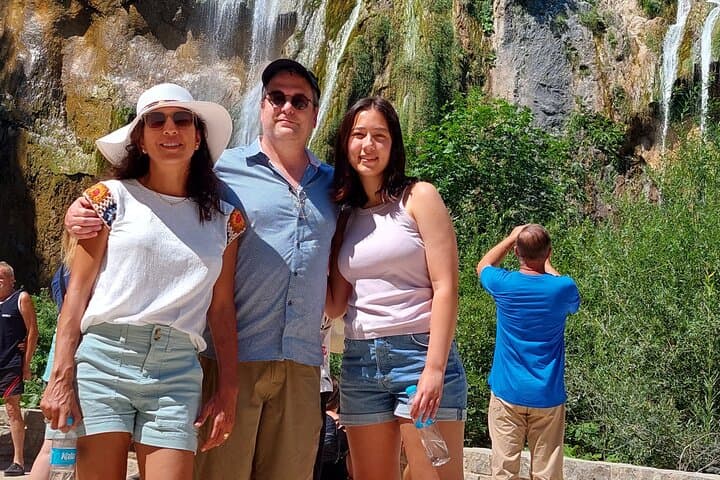
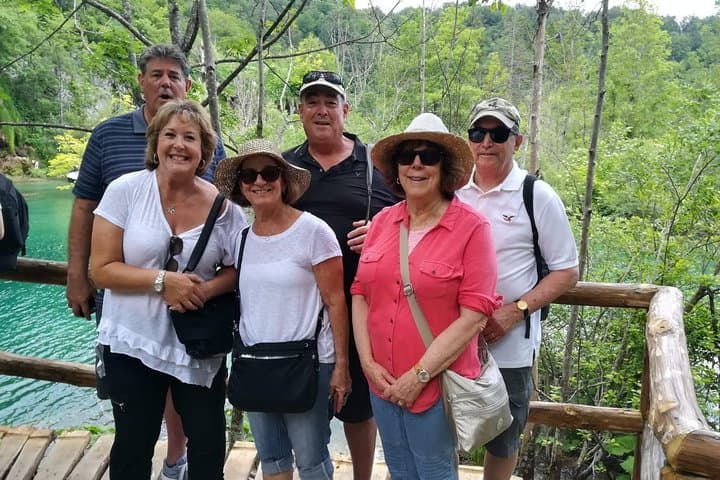

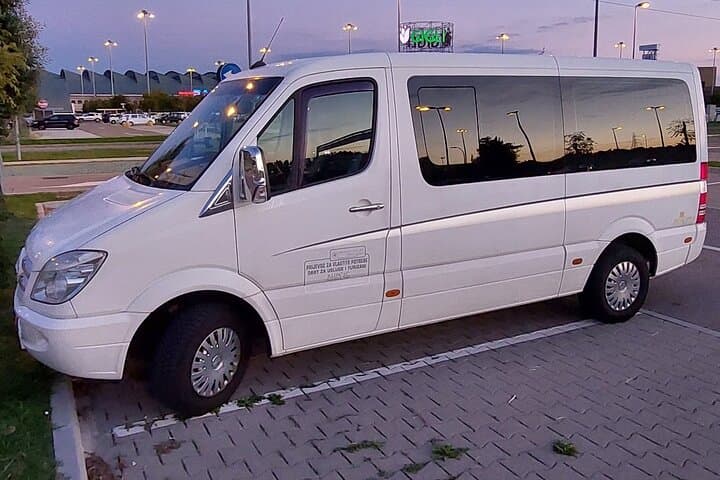
You step out of the minivan into a world that sounds before it shows itself—the constant, impatient hush of falling water is the first thing that takes the city out of you. A driver closes the door, offers a map and a time window, and the path ahead is a network of wooden boardwalks that course across jade lakes and under curtains of spray. For a single long day you move from Split’s Dalmatian coastline into the thick, green lungs of Croatia’s interior, where the Plitvice Lakes dare you to slow down.
You step out of the minivan into a world that sounds before it shows itself—the constant, impatient hush of falling water is the first thing that takes the city out of you. A driver closes the door, offers a map and a time window, and the path ahead is a network of wooden boardwalks that course across jade lakes and under curtains of spray. For a single long day you move from Split’s Dalmatian coastline into the thick, green lungs of Croatia’s interior, where the Plitvice Lakes dare you to slow down.
Plitvice National Park was declared a UNESCO World Heritage Site in 1979 for a reason: a limestone plateau, underground rivers and cascading travertine dams have built a stepped chain of sixteen lakes over millennia. Geology here does the storytelling—water dissolving and redepositing calcium carbonate, terraces forming like slow-motion architecture. Human history brushes the edges too. Nearby Rastoke village shows the region’s centuries-old relationship with watermills, and the scars of 20th-century conflict sit quietly in small museums along the route, a reminder that this landscape has been lived in and fought over.
Culture in the area is straightforward and rural; eateries serve kaya (simple stews), grilled trout from local streams and honey-sweet desserts. Local guides, when included, add value by pointing out microhabitats where endemic plants cling to shaded limestone and by explaining the park’s recent access policies—check whether a licensed park guide is required for your visit and whether entrances are restricted during high season.
Practicalities shape the day: the private transfer runs about 10–12 hours depending on pickup and traffic, dropping you at Entrance 1 and collecting at Entrance 2 so you can traverse the lakes without backtracking. The walk along boardwalks is easy underfoot but long—expect several miles and many steps. Wear grippy shoes; bring a breathable rain shell for spray and sudden showers. Bring cash or card for park admission, and plan to arrive early if you want quieter viewpoints.
Timing matters. Early morning and late afternoon soften crowds and paint the terraces gold; midday highlights the lakes’ turquoise clarity. Photography rewards patience—look for reflections on calm stretches and the roar at Veliki Slap (Big Waterfall) for dramatic movement. Conservation is active here: stick to boardwalks, carry out trash and respect posted signs—the travertine rims are fragile and take decades to reform.
This private transfer is less about speed and more about curated time in nature: a driver who knows the road, the option for a licensed local guide, and a long day that ends in Zagreb rather than back in Split. It’s the kind of trip that asks for sturdy feet and an appetite for seeing water in motion.