THE ADVENTURE COLLECTIVE® · Independent discovery and booking for outdoor travel

From the ramparts of Klis to the dizzy rims of Red and Blue Lakes and the carved Cetina canyon, this multi-stop tour compresses Dalmatia’s wild geology and honest food into a hands-on experience. Expect short hikes, dramatic viewpoints and an authentic village lunch.
From the ramparts of Klis to the dizzy rims of Red and Blue Lakes and the carved Cetina canyon, this multi-stop tour compresses Dalmatia’s wild geology and honest food into a hands-on experience. Expect short hikes, dramatic viewpoints and an authentic village lunch.
You climb the last uneven stone steps of Klis Fortress and the Adriatic opens sideways—white-roofed Split resting under the distant city walls, the sea a hard blue on the horizon. Wind pushes through the fortress gaps as if testing the old battlements; below, the pass that made Klis strategic for centuries narrows and obliges visitors to slow down and look.
Verified experiences and guided adventures in the surrounding area.
Operated by Private Tours Travel Agency · Split, Split-Dalmatia County
You climb the last uneven stone steps of Klis Fortress and the Adriatic opens sideways—white-roofed Split resting under the distant city walls, the sea a hard blue on the horizon. Wind pushes through the fortress gaps as if testing the old battlements; below, the pass that made Klis strategic for centuries narrows and obliges visitors to slow down and look.
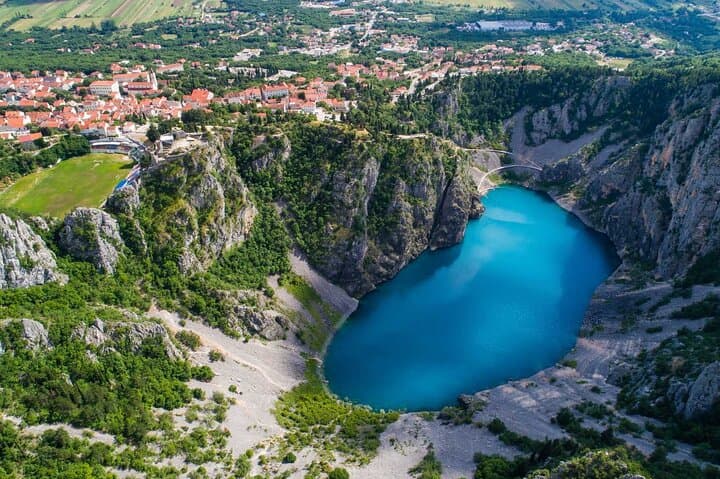
The route from Split to Zagora reads like a compact course in Dalmatian geography and history. Klis was a defensive chokepoint against Ottoman incursions; its stonework and cannon platforms tell a practical story of borderland survival rather than romance. Drive inland and the landscape changes: karst limestone eats soil and creates the dramatic sinkholes that hold Blue Lake (Modro jezero) and the deeper, steeper Red Lake (Crveno jezero). Water levels in Blue Lake rise and fall with underground springs—a seasonal mood-shift that shows your destination is alive.
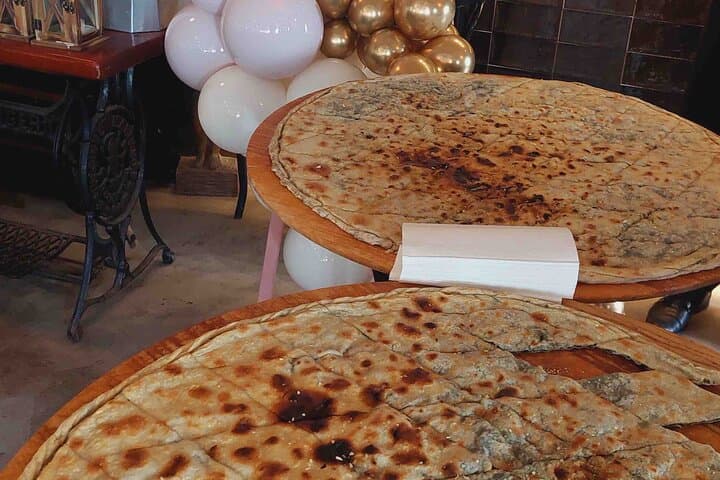
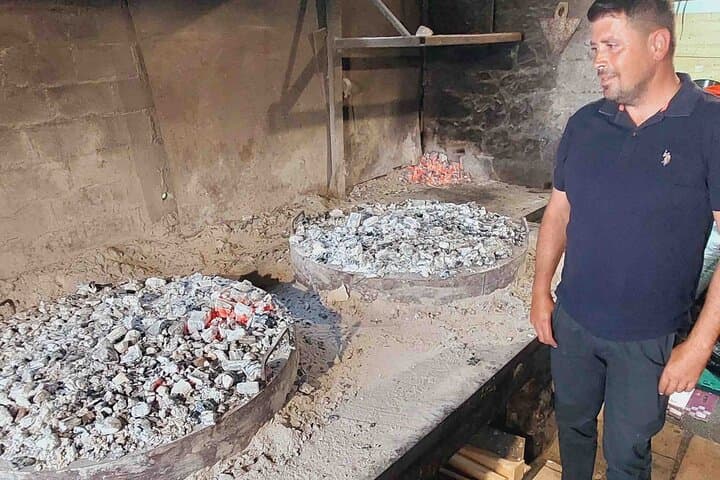
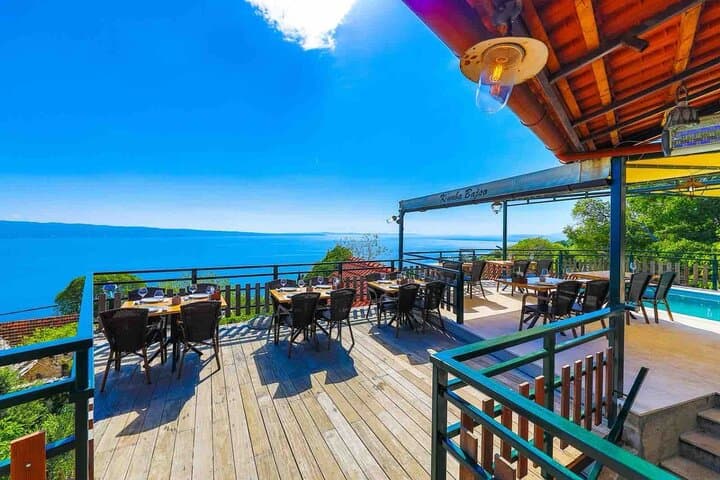
Further south, the Cetina River cuts a canyon that dares you to peer over its lip. Near Omiš the river’s power is visible in braided channels, small waterfalls and pools deep enough for a quick, shocking swim in summer. Between cliffs and cultivated terraces you’ll pass villages where family-run konobas still cook by tradition—bread, braised lamb or freshly caught fish—invite you in and slow the day into a meal.
This experience blends short walks and viewpoint stops with a tangible cultural exchange: you’ll see defensive ramparts, karst geomorphology, canyon vistas and a home-cooked lunch in a Dalmatian village. Expect rustic comfort rather than luxury; the true value here is time—time to stand on a fortress wall, listen to water in a chasm, and watch locals prepare food.
Practical notes: the tour runs across two days of highlights (about 48 hours of itinerary, often structured as a full-day excursion with optional Split time). Trails around the lakes and in village viewpoints are short but uneven—sturdy shoes and sun protection matter. Blue Lake can be accessible via a built path when water levels allow; Red Lake’s rim is dramatic and should be admired from safe viewpoints. Bring a refillable bottle, a lightweight rain layer for shoulder seasons, and a bathing suit if you want to swim in designated spots during summer. Guides handle transport and local logistics, including pick-up from Split hotels, and lunch is typically prepared by a family-run restaurant with local ingredients.
For travelers who want a compact primer on Dalmatia—history, geology, water and food in one layered day—this route is direct, sensory and comfortably manageable.
easy.
Approx. 48 hours (2-day itinerary) with full-day touring options.
Suitable for most travelers; requires short walks (10–40 minutes) on uneven ground and ability to climb stairs
Pickup is offered from hotels in Split and nearby ports—confirm your pickup point when booking and expect a 15-minute predeparture pickup window.
Swimming is allowed in certain areas of Blue Lake when water levels permit; Red Lake is best viewed from the rim—follow your guide’s advice for safe access.
This tour usually includes transport and lunch; small local entrance fees or donations may not be included—check the booking details or ask the guide on arrival.
Yes—short walks and vehicle transfers make it accessible to families; infants may sit on laps per the tour policy.
Guides commonly speak English; many also speak basic Italian, German or Croatian—confirm language needs when booking.
Late spring and early autumn balance mild temperatures and manageable crowds; summer is lively and warm but busier.
Klis Fortress guarded an inland pass that separated Venetian and Ottoman spheres of influence—its walls shifted hands repeatedly and shaped regional defense.
The karst lakes are sensitive to water-level changes and human impact—stay on marked paths, avoid littering, and support local family businesses to keep tourism sustainable.
Private Tours Travel Agency operates guided outdoor trips and adventures with an emphasis on safety, stewardship, and memorable experiences.
You climb the last uneven stone steps of Klis Fortress and the Adriatic opens sideways—white-roofed Split resting under the distant city walls, the sea a hard blue on the horizon. Wind pushes through the fortress gaps as if testing the old battlements; below, the pass that made Klis strategic for centuries narrows and obliges visitors to slow down and look.
You climb the last uneven stone steps of Klis Fortress and the Adriatic opens sideways—white-roofed Split resting under the distant city walls, the sea a hard blue on the horizon. Wind pushes through the fortress gaps as if testing the old battlements; below, the pass that made Klis strategic for centuries narrows and obliges visitors to slow down and look.
The route from Split to Zagora reads like a compact course in Dalmatian geography and history. Klis was a defensive chokepoint against Ottoman incursions; its stonework and cannon platforms tell a practical story of borderland survival rather than romance. Drive inland and the landscape changes: karst limestone eats soil and creates the dramatic sinkholes that hold Blue Lake (Modro jezero) and the deeper, steeper Red Lake (Crveno jezero). Water levels in Blue Lake rise and fall with underground springs—a seasonal mood-shift that shows your destination is alive.
Further south, the Cetina River cuts a canyon that dares you to peer over its lip. Near Omiš the river’s power is visible in braided channels, small waterfalls and pools deep enough for a quick, shocking swim in summer. Between cliffs and cultivated terraces you’ll pass villages where family-run konobas still cook by tradition—bread, braised lamb or freshly caught fish—invite you in and slow the day into a meal.
This experience blends short walks and viewpoint stops with a tangible cultural exchange: you’ll see defensive ramparts, karst geomorphology, canyon vistas and a home-cooked lunch in a Dalmatian village. Expect rustic comfort rather than luxury; the true value here is time—time to stand on a fortress wall, listen to water in a chasm, and watch locals prepare food.
Practical notes: the tour runs across two days of highlights (about 48 hours of itinerary, often structured as a full-day excursion with optional Split time). Trails around the lakes and in village viewpoints are short but uneven—sturdy shoes and sun protection matter. Blue Lake can be accessible via a built path when water levels allow; Red Lake’s rim is dramatic and should be admired from safe viewpoints. Bring a refillable bottle, a lightweight rain layer for shoulder seasons, and a bathing suit if you want to swim in designated spots during summer. Guides handle transport and local logistics, including pick-up from Split hotels, and lunch is typically prepared by a family-run restaurant with local ingredients.
For travelers who want a compact primer on Dalmatia—history, geology, water and food in one layered day—this route is direct, sensory and comfortably manageable.