THE ADVENTURE COLLECTIVE® · Independent discovery and booking for outdoor travel

Board a short boat from Sosua and slip into warm Caribbean water to explore two vibrant reefs—Three Rocks and a bay reef—then spend the afternoon on Sosua Beach. This half-day tour pairs easy snorkeling with a relaxed beach finish for travelers of all levels.
Board a short boat from Sosua and slip into warm Caribbean water to explore two vibrant reefs—Three Rocks and a bay reef—then spend the afternoon on Sosua Beach. This half-day tour pairs easy snorkeling with a relaxed beach finish for travelers of all levels.
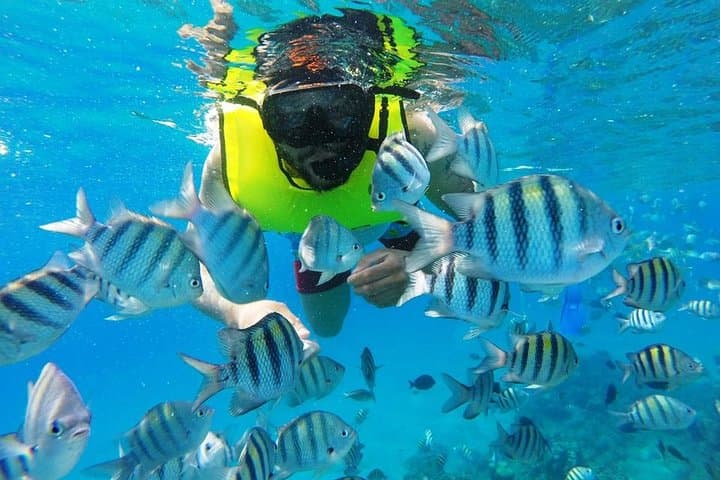
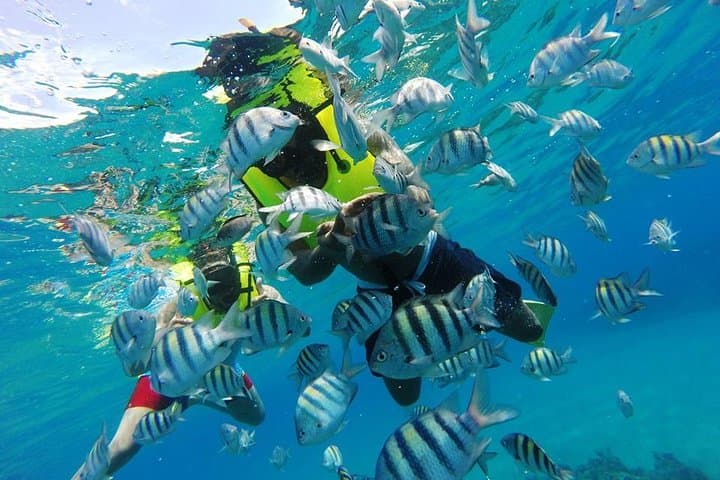
The boat slips away from Sosua's breakwater with a low, familiar hum. Salt air fills the small cabin and the Atlantic stretches flat and blue; the reef line—three dark shadows under the surface—appears like a promise. At the first stop, Three Rocks, the water is warm and clear enough to read the reef like a map: brain coral plates, spur-and-groove ridges, and curly-tailed parrotfish that flick through the corals as if chasing sunlight. The guide hands you a mask, fits your fins, and the ocean seems to lean forward, inviting you in.
Verified experiences and guided adventures in the surrounding area.
Operated by Eric Tours International · Sosua, Puerto Plata
The boat slips away from Sosua's breakwater with a low, familiar hum. Salt air fills the small cabin and the Atlantic stretches flat and blue; the reef line—three dark shadows under the surface—appears like a promise. At the first stop, Three Rocks, the water is warm and clear enough to read the reef like a map: brain coral plates, spur-and-groove ridges, and curly-tailed parrotfish that flick through the corals as if chasing sunlight. The guide hands you a mask, fits your fins, and the ocean seems to lean forward, inviting you in.
Sosua's shoreline has always been a place of arrivals. The bay grew as a fishing village and later a beach town that welcomed visitors and new residents, including a small Jewish community settled here in the late 1930s. Geologically, the northern Dominican coast mixes older volcanic outcrops with living reef systems. Those reefs formed on foundations shaped by currents and waves, not mountains—an underwater architecture that supports colorful life and rewards even casual snorkelers.
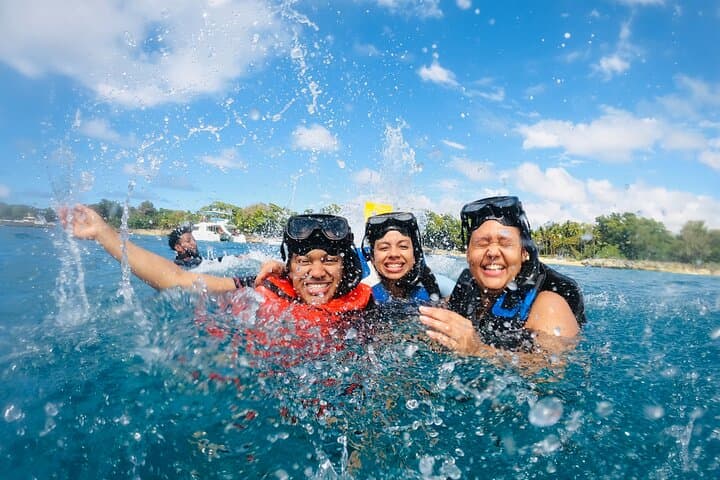
Local culture leans toward hospitality: upbeat bachata music filters from beachfront cafés, vendors sharpen fresh coconut and serve cold beers, and bilingual guides explain reef ecology and safety with practiced ease. The tour moves with a clear rhythm—brief tech talk at the dock, a short boat ride to the first reef, a second stop inside Sosua Bay, then return to a reserved sun chair where the sand and shade reset the day.
Practical notes are simple but important. The operator includes masks, fins, inflatable snorkel vests, bottled water and pickup from many hotels, so travel logistics are convenient. Plan on 5–6 hours total: transport, two reef stops and about an hour to relax on the beach afterward. Morning departures usually find calmer seas and better visibility; afternoons can bring onshore breezes that churn the surface.
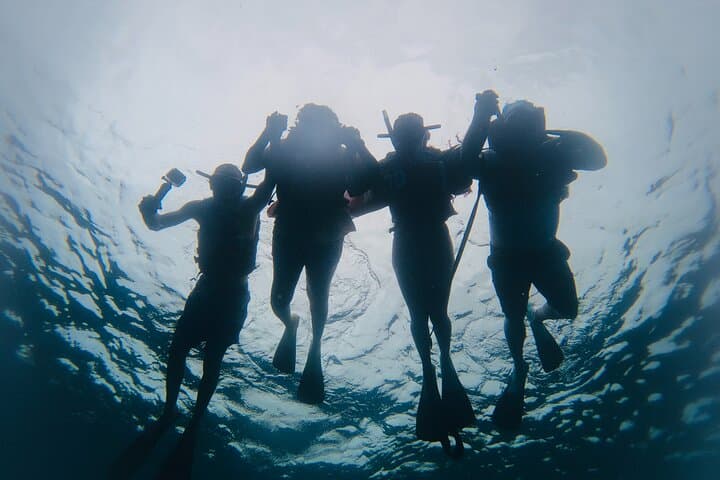
Respect for the reef keeps this experience sustainable. Don’t touch coral, reef-safe sunscreen is a must, and avoid feeding fish. For photographers, a compact underwater camera or a smartphone in a waterproof case captures parrotfish, rays, and the reef contours—just don’t chase wildlife.
This outing fits most travelers: no advanced skills required beyond basic swimming and comfort in open water. It’s a tidy combination of exploration and downtime—two reef sites to satisfy curiosity, a beach chair to make leisure official, and a coastal town where ice-cold juice and a well-cooked fish sandwich await when you climb ashore.
easy.
5–6 hours.
Light fitness—comfortable swimming skills and the ability to climb in/out of a small boat are required.
Expect roughly 25–45 minutes in the water at each location, depending on group pace and sea conditions.
Yes—the tour supplies masks, fins, and inflatable snorkel vests; you can also bring your own gear if preferred.
Yes—this tour is rated easy and guides offer basic instruction; non-swimmers should inform the operator and may use a flotation vest.
Bottled water is provided on the boat; meals and refreshments on the beach are available at local vendors for purchase.
Full refund available if you cancel at least 24 hours before departure; operator also cancels for bad weather or insufficient travelers.
Hotel pickup is available from many properties—confirm your pickup point at booking or contact the supplier directly.
Sosua evolved from a fishing community into a tourist town and is known for a small Jewish settlement established in the late 1930s that shaped local culture.
Reef health is a local priority—operators encourage reef-safe sunscreen and no-touch policies to reduce coral damage and preserve fish populations.
Eric Tours International operates guided outdoor trips and adventures with an emphasis on safety, stewardship, and memorable experiences.
The boat slips away from Sosua's breakwater with a low, familiar hum. Salt air fills the small cabin and the Atlantic stretches flat and blue; the reef line—three dark shadows under the surface—appears like a promise. At the first stop, Three Rocks, the water is warm and clear enough to read the reef like a map: brain coral plates, spur-and-groove ridges, and curly-tailed parrotfish that flick through the corals as if chasing sunlight. The guide hands you a mask, fits your fins, and the ocean seems to lean forward, inviting you in.
The boat slips away from Sosua's breakwater with a low, familiar hum. Salt air fills the small cabin and the Atlantic stretches flat and blue; the reef line—three dark shadows under the surface—appears like a promise. At the first stop, Three Rocks, the water is warm and clear enough to read the reef like a map: brain coral plates, spur-and-groove ridges, and curly-tailed parrotfish that flick through the corals as if chasing sunlight. The guide hands you a mask, fits your fins, and the ocean seems to lean forward, inviting you in.
Sosua's shoreline has always been a place of arrivals. The bay grew as a fishing village and later a beach town that welcomed visitors and new residents, including a small Jewish community settled here in the late 1930s. Geologically, the northern Dominican coast mixes older volcanic outcrops with living reef systems. Those reefs formed on foundations shaped by currents and waves, not mountains—an underwater architecture that supports colorful life and rewards even casual snorkelers.
Local culture leans toward hospitality: upbeat bachata music filters from beachfront cafés, vendors sharpen fresh coconut and serve cold beers, and bilingual guides explain reef ecology and safety with practiced ease. The tour moves with a clear rhythm—brief tech talk at the dock, a short boat ride to the first reef, a second stop inside Sosua Bay, then return to a reserved sun chair where the sand and shade reset the day.
Practical notes are simple but important. The operator includes masks, fins, inflatable snorkel vests, bottled water and pickup from many hotels, so travel logistics are convenient. Plan on 5–6 hours total: transport, two reef stops and about an hour to relax on the beach afterward. Morning departures usually find calmer seas and better visibility; afternoons can bring onshore breezes that churn the surface.
Respect for the reef keeps this experience sustainable. Don’t touch coral, reef-safe sunscreen is a must, and avoid feeding fish. For photographers, a compact underwater camera or a smartphone in a waterproof case captures parrotfish, rays, and the reef contours—just don’t chase wildlife.
This outing fits most travelers: no advanced skills required beyond basic swimming and comfort in open water. It’s a tidy combination of exploration and downtime—two reef sites to satisfy curiosity, a beach chair to make leisure official, and a coastal town where ice-cold juice and a well-cooked fish sandwich await when you climb ashore.