THE ADVENTURE COLLECTIVE® · Independent discovery and booking for outdoor travel

Spend a morning aboard Elena exploring Sosúa Bay’s reefs, caverns and wrecks on a guided two-tank dive for certified divers. Expect warm water, varied sites and free underwater photos from experienced local guides.
Spend a morning aboard Elena exploring Sosúa Bay’s reefs, caverns and wrecks on a guided two-tank dive for certified divers. Expect warm water, varied sites and free underwater photos from experienced local guides.
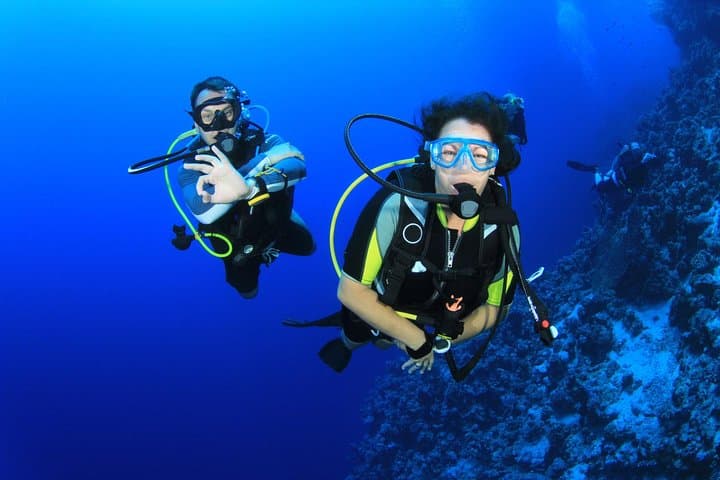
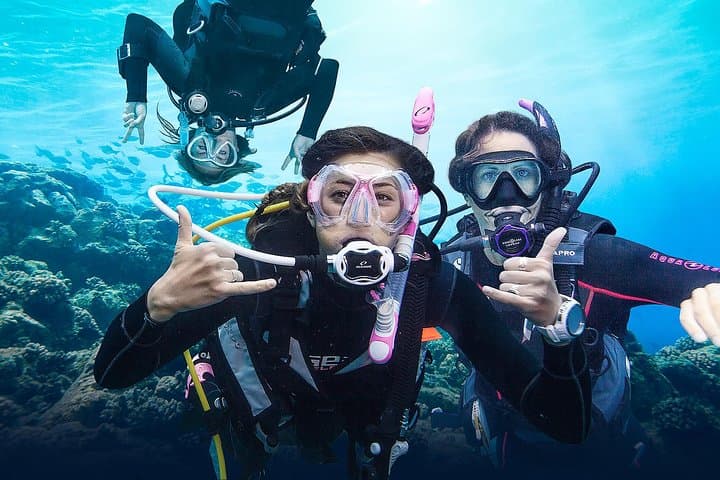
The boat rocks like a living thing as Elena eases out past the bay. Salt pricks the air and the morning light glances off a ribbon of reef that runs just beyond the sand. Certified divers clip on their last straps, listen to a crisp briefing from Dive Captain Domingo and then step off the platform into water that feels at once warm and demanding — currents will test you, coral will draw you close.
Verified experiences and guided adventures in the surrounding area.
Operated by Dive Cabarete · Sosúa, Puerto Plata
The boat rocks like a living thing as Elena eases out past the bay. Salt pricks the air and the morning light glances off a ribbon of reef that runs just beyond the sand. Certified divers clip on their last straps, listen to a crisp briefing from Dive Captain Domingo and then step off the platform into water that feels at once warm and demanding — currents will test you, coral will draw you close.
Sosúa Bay sits on the northern coast of the Dominican Republic, a shallow elbow of Atlantic that has carried sailors, fishermen and explorers for centuries. The reef structures here formed from volcanic uplift and steady coral growth; channels and ledges drop away into canyons that hint at the island’s tectonic past. Locals in Sosúa and nearby Cabarete have long depended on the sea for livelihoods — today that relationship balances tourism and traditional fishing, with operators contributing small reef fees to conservation efforts.
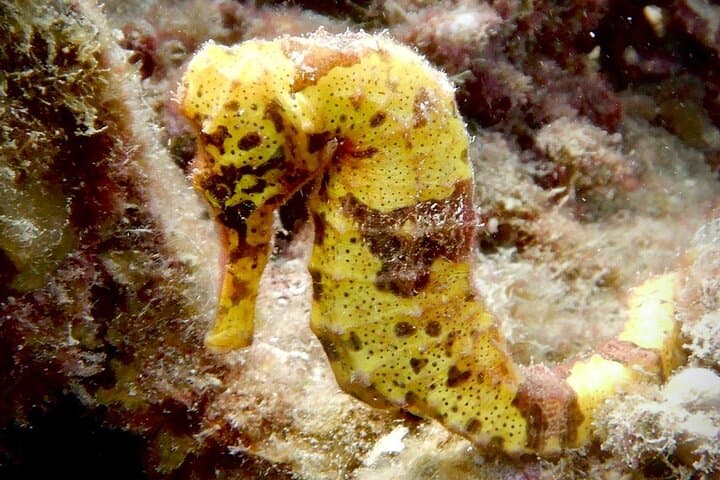
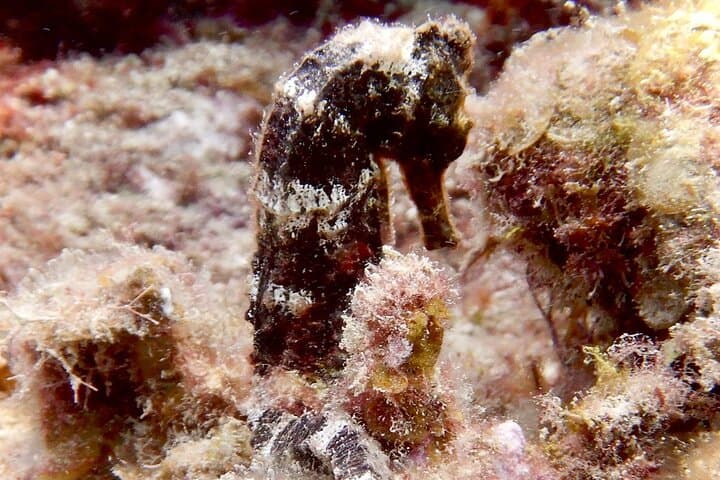
Underwater, the landscape is elemental. Fingers of coral hold parrotfish and angelfish; small caverns harbor lobsters and nurse sharks. Wrecks lie mottled with sponge and algae, offering an architectural contrast to the living reefs. The ocean has personality here — a playful current that sometimes pushes you toward a canyon, or a glassy surface that lets Caribbean light pour down like a spotlight.
The daily two-tank outing is straightforward and practical: check-in at the car park on Calle La Puntilla at 08:00, brief paperwork and gear fitting, then a guided dive on Elena with a surface interval of bottled water and bananas. Guides bring underwater cameras and supply free photos and video — useful for identifying critters or reviewing your buoyancy.
For planning, be mindful of a few hard rules: this trip requires Open Water certification or higher, and divers must respect depth limits and the 18-hour no-fly rule after diving. Dress casually onshore but bring a lightweight wetsuit or reef skin for cooler early-morning profiles and extra sun protection for surface intervals. Seasickness medication is a good call if you’re prone; rides can be bouncy when the swell picks up.
Timing matters: mornings tend to have calmer seas and better visibility. If you’re chasing macro life, ask your guide for sites with caverns and crevices; for expansive coral gardens, choose the reef or wall dives. Operators also enforce small-group sizes to reduce environmental impact and improve the guide-to-diver ratio.
Sosúa’s two-tank dives are as much about the people as the place — local captains and guides who know when to push deeper and when to pull back. The reward is a compact day at sea: vivid coral, curious fish, and the steady work of a coastline that will test and teach any diver who comes ready.
moderate.
4 hours.
Able to swim comfortably and manage entry/exit from a small dive boat; moderate stamina for two dives and surface intervals.
Yes — participants must present an Open Water certification card or higher; uncertified divers cannot join the two-tank fun dives.
Dives vary by site but typically range to 18–30 meters (60–100 feet) with bottom times up to 60 minutes depending on air consumption and no-decompression limits.
Included are use of scuba equipment, bottled water and bananas during the surface interval, free underwater photos and video, and an environmental management (reef) fee.
Children over 10 may participate but must be accompanied by an adult and hold the appropriate certification for the planned dive depth.
Boats are small and can be bouncy; if you’re prone to motion sickness, take preventive medication and choose a morning trip when seas are calmer.
No — travelers must wait a minimum of 18 hours after their last dive before flying to reduce decompression risk.
Sosúa’s coastline has been shaped by volcanic uplift and centuries of fishing and small-scale trade; modern dive tourism grew here in the late 20th century.
Operators collect a small reef management fee and enforce no-touch policies; divers are encouraged to use reef-safe sunscreen and follow guide instructions to limit impact.
Dive Cabarete operates guided outdoor trips and adventures with an emphasis on safety, stewardship, and memorable experiences.
The boat rocks like a living thing as Elena eases out past the bay. Salt pricks the air and the morning light glances off a ribbon of reef that runs just beyond the sand. Certified divers clip on their last straps, listen to a crisp briefing from Dive Captain Domingo and then step off the platform into water that feels at once warm and demanding — currents will test you, coral will draw you close.
The boat rocks like a living thing as Elena eases out past the bay. Salt pricks the air and the morning light glances off a ribbon of reef that runs just beyond the sand. Certified divers clip on their last straps, listen to a crisp briefing from Dive Captain Domingo and then step off the platform into water that feels at once warm and demanding — currents will test you, coral will draw you close.
Sosúa Bay sits on the northern coast of the Dominican Republic, a shallow elbow of Atlantic that has carried sailors, fishermen and explorers for centuries. The reef structures here formed from volcanic uplift and steady coral growth; channels and ledges drop away into canyons that hint at the island’s tectonic past. Locals in Sosúa and nearby Cabarete have long depended on the sea for livelihoods — today that relationship balances tourism and traditional fishing, with operators contributing small reef fees to conservation efforts.
Underwater, the landscape is elemental. Fingers of coral hold parrotfish and angelfish; small caverns harbor lobsters and nurse sharks. Wrecks lie mottled with sponge and algae, offering an architectural contrast to the living reefs. The ocean has personality here — a playful current that sometimes pushes you toward a canyon, or a glassy surface that lets Caribbean light pour down like a spotlight.
The daily two-tank outing is straightforward and practical: check-in at the car park on Calle La Puntilla at 08:00, brief paperwork and gear fitting, then a guided dive on Elena with a surface interval of bottled water and bananas. Guides bring underwater cameras and supply free photos and video — useful for identifying critters or reviewing your buoyancy.
For planning, be mindful of a few hard rules: this trip requires Open Water certification or higher, and divers must respect depth limits and the 18-hour no-fly rule after diving. Dress casually onshore but bring a lightweight wetsuit or reef skin for cooler early-morning profiles and extra sun protection for surface intervals. Seasickness medication is a good call if you’re prone; rides can be bouncy when the swell picks up.
Timing matters: mornings tend to have calmer seas and better visibility. If you’re chasing macro life, ask your guide for sites with caverns and crevices; for expansive coral gardens, choose the reef or wall dives. Operators also enforce small-group sizes to reduce environmental impact and improve the guide-to-diver ratio.
Sosúa’s two-tank dives are as much about the people as the place — local captains and guides who know when to push deeper and when to pull back. The reward is a compact day at sea: vivid coral, curious fish, and the steady work of a coastline that will test and teach any diver who comes ready.