THE ADVENTURE COLLECTIVE® · Independent discovery and booking for outdoor travel

Swap the hotel pool for the open Pacific and a short cruise to La Roqueta Island. This guided snorkeling tour combines easy swims in sheltered coves, knowledgeable local guides, and chances to photograph parrotfish, turtles and rocky reefs.
Swap the hotel pool for the open Pacific and a short cruise to La Roqueta Island. This guided snorkeling tour combines easy swims in sheltered coves, knowledgeable local guides, and chances to photograph parrotfish, turtles and rocky reefs.
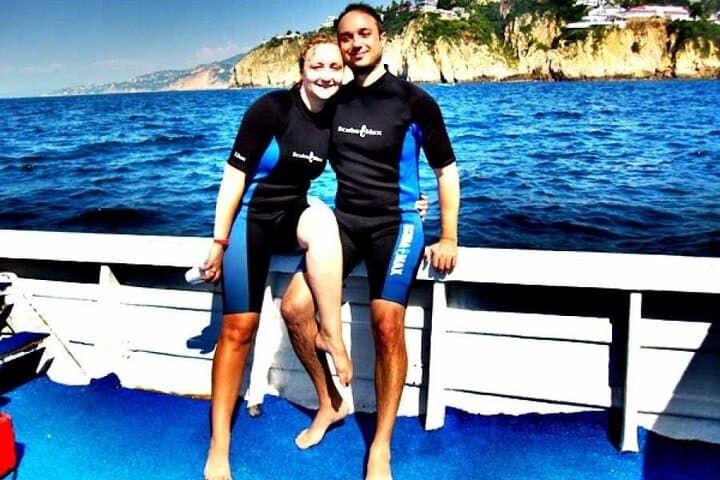
The boat slips away from Acapulco's busy Malecon and the city falls off to a blur of sunlit roofs and distant cliffs. Salt wakes the air, and within twenty minutes the skyline is a low ribbon; the sea opens, bright and mercurial. Around La Roqueta Island the guides ease the throttle, checking masks and fins, and the Pacific calms into turquoise lanes where fish gather like scattered coins.
Verified experiences and guided adventures in the surrounding area.
Operated by Royale Tours · Acapulco, Guerrero
The boat slips away from Acapulco's busy Malecon and the city falls off to a blur of sunlit roofs and distant cliffs. Salt wakes the air, and within twenty minutes the skyline is a low ribbon; the sea opens, bright and mercurial. Around La Roqueta Island the guides ease the throttle, checking masks and fins, and the Pacific calms into turquoise lanes where fish gather like scattered coins.
La Roqueta has been a marker for Acapulco’s maritime life for centuries — an island used by fishermen, a lookout for colonial-era ships, and now a small protected pocket where reef life can survive the pull of a major port. Geologically it’s volcanic rock worn smooth by waves; coral colonies and rocky ledges create sheltered pockets of clearer water that snorkeling tours aim for when the swell is low.
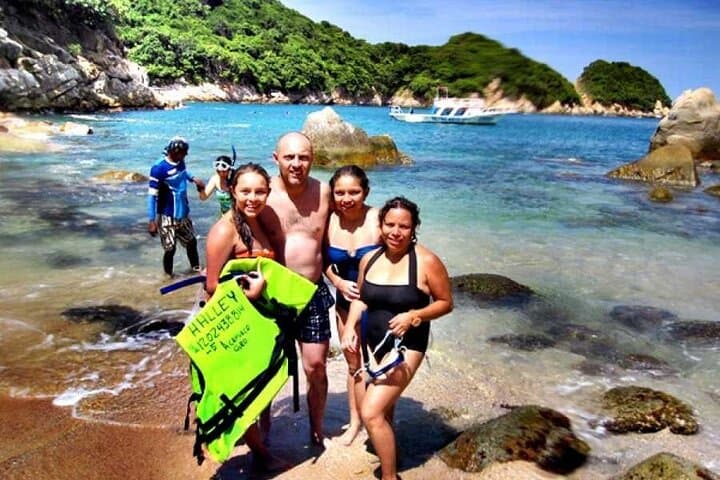
Culturally, the trip is as much about Acapulco as the ocean. Guides are usually local swimmers and boatmen who know the currents and the best shallow gardens for visibility. The operation blends practical instruction with a relaxed, communal vibe: a fruit plate between swims, sandwiches, bottled water and a laugh over a camera that captures your first nervous glide under the surface.
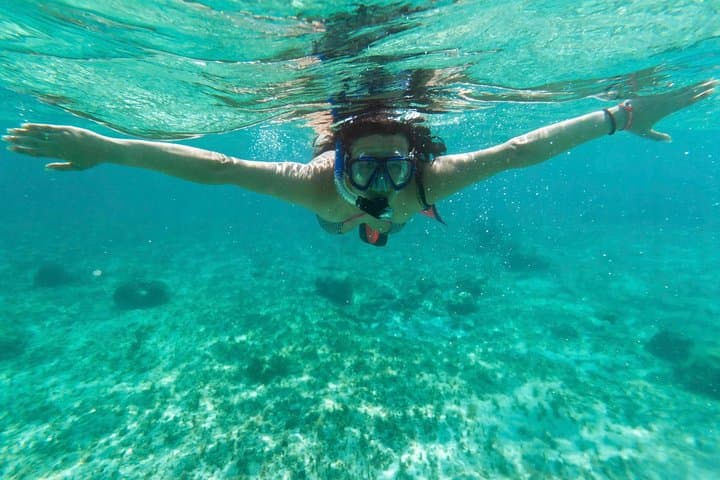
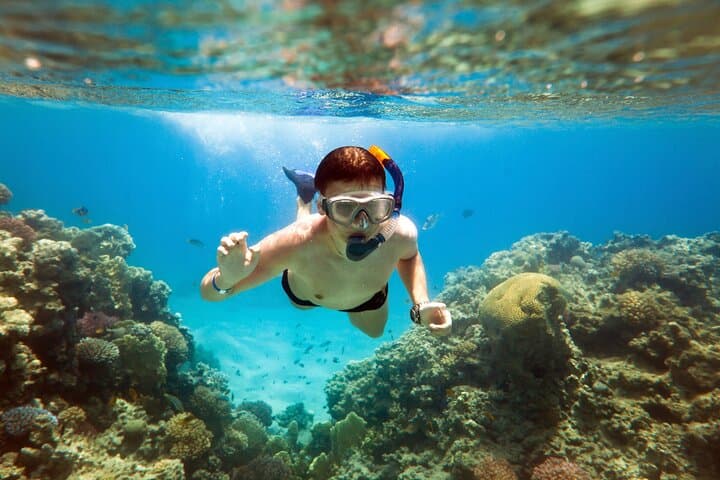
Expect to see parrotfish scraping algae, shoals of sergeant majors, butterflyfish and the occasional green sea turtle slipping past in slow motion. Sea birds quarter the surface, and if you watch the shadow lines you might spot rays cruising over sandy flats. Depths for most snorkel stops are waist- to chest-deep, with a few ledges dropping into deeper blue for stronger swimmers.
Practicalities: the tour runs about five hours and includes a short cruise from the main port, snorkeling equipment, snacks, and hotel pickup if your accommodation is in the main resort zone (note some large resorts require meeting at the main gate). Guides brief everyone on signals, life vest options and where to float safely if fatigue sets in. Morning departures usually offer the calmest water and best visibility; avoid afternoons during onshore winds.
Bring biodegradable reef-safe sunscreen, a snug mask (or rent one if needed), and reef shoes for rocky exits. If you’re prone to seasickness, take a preventative dose before boarding and sit in the middle of the boat while it’s underway. The operator rents underwater digital cameras if you want underwater photos without bringing delicate gear.
This is an approachable Pacific snorkel: low to moderate physical demand, high on marine payoff. With basic swimming skills and a morning schedule, La Roqueta gives a contained, local-facing glimpse of Mexico’s Pacific life — salt, rock and fish, with the city’s coral-strewn coast receding like scenery behind you.
easy.
4–5 hours.
Light to moderate: you should be comfortable swimming short distances and treading water.
No — basic swimming ability and comfort in the water suffice; life vests are available and guides stay close to less confident swimmers.
Yes for most central Acapulco hotels — some large resorts require meeting at a designated main gate, so check pickup details when you book.
Yes — standard snorkel equipment is supplied, though many guests bring their own masks for fit and comfort.
Families are welcome but the operator may set age limits for safety; bring flotation for small children and notify the guide at booking.
The operator rents a digital underwater camera and can transfer images to a USB; bringing your own waterproof camera is also fine.
Tours may be canceled for bad weather with a full refund if canceled at least 24 hours before departure; operators typically prioritize calm conditions for snorkeling.
La Roqueta served as a local fishing and watch point through colonial times; its volcanic rock and reefs sheltered coastal communities.
Use reef-safe sunscreen, avoid touching coral or taking marine life, and follow guide instructions to minimize impact on fragile reef zones.
Royale Tours operates guided outdoor trips and adventures with an emphasis on safety, stewardship, and memorable experiences.
The boat slips away from Acapulco's busy Malecon and the city falls off to a blur of sunlit roofs and distant cliffs. Salt wakes the air, and within twenty minutes the skyline is a low ribbon; the sea opens, bright and mercurial. Around La Roqueta Island the guides ease the throttle, checking masks and fins, and the Pacific calms into turquoise lanes where fish gather like scattered coins.
The boat slips away from Acapulco's busy Malecon and the city falls off to a blur of sunlit roofs and distant cliffs. Salt wakes the air, and within twenty minutes the skyline is a low ribbon; the sea opens, bright and mercurial. Around La Roqueta Island the guides ease the throttle, checking masks and fins, and the Pacific calms into turquoise lanes where fish gather like scattered coins.
La Roqueta has been a marker for Acapulco’s maritime life for centuries — an island used by fishermen, a lookout for colonial-era ships, and now a small protected pocket where reef life can survive the pull of a major port. Geologically it’s volcanic rock worn smooth by waves; coral colonies and rocky ledges create sheltered pockets of clearer water that snorkeling tours aim for when the swell is low.
Culturally, the trip is as much about Acapulco as the ocean. Guides are usually local swimmers and boatmen who know the currents and the best shallow gardens for visibility. The operation blends practical instruction with a relaxed, communal vibe: a fruit plate between swims, sandwiches, bottled water and a laugh over a camera that captures your first nervous glide under the surface.
Expect to see parrotfish scraping algae, shoals of sergeant majors, butterflyfish and the occasional green sea turtle slipping past in slow motion. Sea birds quarter the surface, and if you watch the shadow lines you might spot rays cruising over sandy flats. Depths for most snorkel stops are waist- to chest-deep, with a few ledges dropping into deeper blue for stronger swimmers.
Practicalities: the tour runs about five hours and includes a short cruise from the main port, snorkeling equipment, snacks, and hotel pickup if your accommodation is in the main resort zone (note some large resorts require meeting at the main gate). Guides brief everyone on signals, life vest options and where to float safely if fatigue sets in. Morning departures usually offer the calmest water and best visibility; avoid afternoons during onshore winds.
Bring biodegradable reef-safe sunscreen, a snug mask (or rent one if needed), and reef shoes for rocky exits. If you’re prone to seasickness, take a preventative dose before boarding and sit in the middle of the boat while it’s underway. The operator rents underwater digital cameras if you want underwater photos without bringing delicate gear.
This is an approachable Pacific snorkel: low to moderate physical demand, high on marine payoff. With basic swimming skills and a morning schedule, La Roqueta gives a contained, local-facing glimpse of Mexico’s Pacific life — salt, rock and fish, with the city’s coral-strewn coast receding like scenery behind you.