THE ADVENTURE COLLECTIVE® · Independent discovery and booking for outdoor travel

Board a comfortable catamaran at Margaritaville and spend five hours snorkeling two distinct reef sites: the protected waters near St. John and a remote, uninhabited islet. The all-inclusive day covers gear, meals, and drinks so you can focus on coral gardens, turtles, and sunlit swims.
Board a comfortable catamaran at Margaritaville and spend five hours snorkeling two distinct reef sites: the protected waters near St. John and a remote, uninhabited islet. The all-inclusive day covers gear, meals, and drinks so you can focus on coral gardens, turtles, and sunlit swims.
The catamaran cuts a low, lazy wake as the island shapes of the British and U.S. Virgin archipelago slide into view—palm shadows flickering across glassy water. You step aboard at Margaritaville Resort in Charlotte Amalie with a paper cup of coffee still warm in your hand; the boat smells faintly of salt and sunscreen, and the deck hums with the easy competence of a captain who knows these reefs by name. By the time breakfast plates are cleared, the first snorkel stop has already reared up like an invitation: coral gardens fanning under sunlight, parrotfish nibbling, and a current that gently nudges you along the line of reef.
Verified experiences and guided adventures in the surrounding area.
Operated by New Horizons & Breakaway Charters · Charlotte Amalie, U.S. Virgin Islands
The catamaran cuts a low, lazy wake as the island shapes of the British and U.S. Virgin archipelago slide into view—palm shadows flickering across glassy water. You step aboard at Margaritaville Resort in Charlotte Amalie with a paper cup of coffee still warm in your hand; the boat smells faintly of salt and sunscreen, and the deck hums with the easy competence of a captain who knows these reefs by name. By the time breakfast plates are cleared, the first snorkel stop has already reared up like an invitation: coral gardens fanning under sunlight, parrotfish nibbling, and a current that gently nudges you along the line of reef.
This is a day designed for uncomplicated wonder. The itinerary threads together two very different marine settings—State-protected waters around St. John and a quieter, uninhabited islet—so you get both the crowds’ favorites and a more private encounter with reef life. Geologically, the underwater scenery is a chapter in the islands’ volcanic and limestone past: older basalt foundations rise to meet fringing coral, while tidal action and sediment shape pockets of sand where rays and juvenile fish shelter.
Culturally, these waters have long been a working seascape—fishermen and boat builders read the swell like a ledger—and the protected areas near St. John reflect decades of conservation that balance tourism with reef recovery. Onboard, the crew often shares local notes: which coves held colonial smugglers, where turtles nest, and why certain reef patches are regrowing faster after recent restoration efforts.
Practicalities are simple but worth knowing. The trip runs roughly five hours, leaving mid-morning and returning in the afternoon—prime hours for visibility and avoidable heat. Crew provides snorkel gear, life vests, light breakfast, lunch, snacks, and alcoholic beverages, so travel light but prepared: reef-safe sunscreen, a quick-dry towel, and a water bottle that you can refill. If you’re new to snorkeling, the crew gives short orientation and stays nearby; stronger swimmers can drift with the current to inspect coral fingers and swim-throughs.
Timing matters: aim for the earlier departures in high season to avoid larger crowds at popular St. John reefs. Be mindful of sun exposure between snorkels—wear a long-sleeve rash guard and reapply reef-safe sunscreen. If you have any cardiovascular concerns, check guidance; while the activity is rated easy, ocean conditions and swimming can be unexpectedly taxing.
By the return sail the islands look different—closer, quieter—and the boat’s slow glide back becomes its own kind of map: small coves, the flash of a flying fish, a pelican riding the bow. It’s not just a snorkel trip; it’s a compact field course in Caribbean marine life and island seafaring, with every detail handled so you can focus on what’s under the surface and the simple pleasure of being carried across blue water.
easy.
5 hours.
Suitable for travelers in basic good health; participants should be comfortable swimming short distances and treading water.
Check-in is at 9:30am at the Margaritaville Resort Water Sports Boutique on the left side of the beach when facing the water.
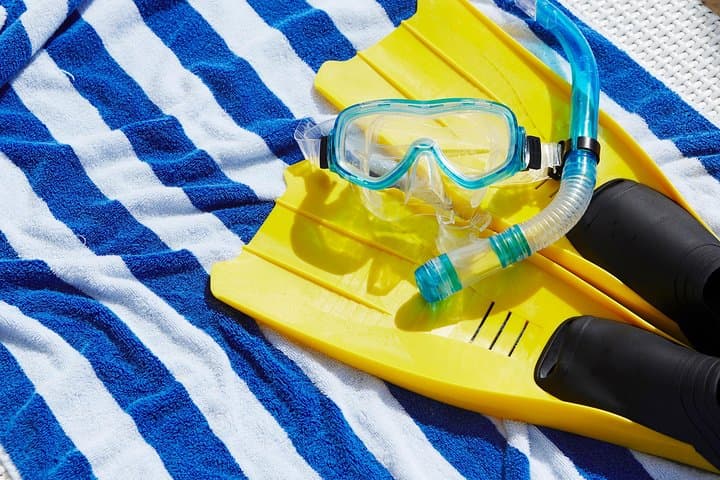
Yes—masks, snorkels, and fins are provided and included in the price.
The excursion includes a light breakfast, lunch, snacks, soda, and alcoholic beverages (beer, wine, and liquor).
The tour is family-friendly, but non-swimmers should wear life vests and remain near the boat; parents should supervise children closely in the water.
Tours are cancellable for bad weather; if canceled you’ll be offered a refund if you cancel at least 24 hours before departure per the policy.
Yes, you can bring personal snorkel equipment if you prefer a custom fit, but the operator supplies standard gear for all guests.
The waters around St. John and nearby islets were historically used for subsistence fishing and small-scale trade; recent decades have emphasized marine protection and reef restoration.
The tour visits protected areas—use reef-safe sunscreen, avoid touching coral, and follow crew guidance to minimize disturbance to marine life.
New Horizons & Breakaway Charters operates guided outdoor trips and adventures with an emphasis on safety, stewardship, and memorable experiences.
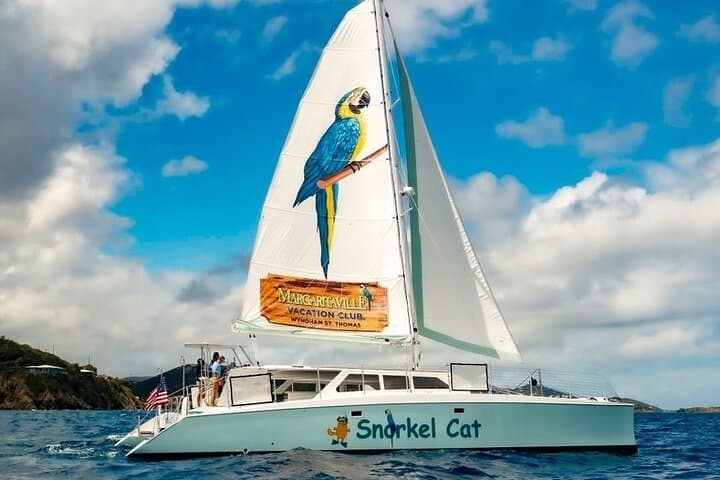
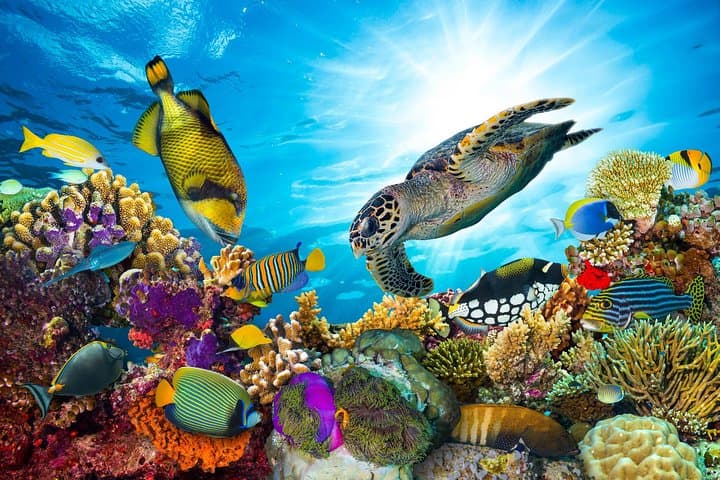
The catamaran cuts a low, lazy wake as the island shapes of the British and U.S. Virgin archipelago slide into view—palm shadows flickering across glassy water. You step aboard at Margaritaville Resort in Charlotte Amalie with a paper cup of coffee still warm in your hand; the boat smells faintly of salt and sunscreen, and the deck hums with the easy competence of a captain who knows these reefs by name. By the time breakfast plates are cleared, the first snorkel stop has already reared up like an invitation: coral gardens fanning under sunlight, parrotfish nibbling, and a current that gently nudges you along the line of reef.
The catamaran cuts a low, lazy wake as the island shapes of the British and U.S. Virgin archipelago slide into view—palm shadows flickering across glassy water. You step aboard at Margaritaville Resort in Charlotte Amalie with a paper cup of coffee still warm in your hand; the boat smells faintly of salt and sunscreen, and the deck hums with the easy competence of a captain who knows these reefs by name. By the time breakfast plates are cleared, the first snorkel stop has already reared up like an invitation: coral gardens fanning under sunlight, parrotfish nibbling, and a current that gently nudges you along the line of reef.
This is a day designed for uncomplicated wonder. The itinerary threads together two very different marine settings—State-protected waters around St. John and a quieter, uninhabited islet—so you get both the crowds’ favorites and a more private encounter with reef life. Geologically, the underwater scenery is a chapter in the islands’ volcanic and limestone past: older basalt foundations rise to meet fringing coral, while tidal action and sediment shape pockets of sand where rays and juvenile fish shelter.
Culturally, these waters have long been a working seascape—fishermen and boat builders read the swell like a ledger—and the protected areas near St. John reflect decades of conservation that balance tourism with reef recovery. Onboard, the crew often shares local notes: which coves held colonial smugglers, where turtles nest, and why certain reef patches are regrowing faster after recent restoration efforts.
Practicalities are simple but worth knowing. The trip runs roughly five hours, leaving mid-morning and returning in the afternoon—prime hours for visibility and avoidable heat. Crew provides snorkel gear, life vests, light breakfast, lunch, snacks, and alcoholic beverages, so travel light but prepared: reef-safe sunscreen, a quick-dry towel, and a water bottle that you can refill. If you’re new to snorkeling, the crew gives short orientation and stays nearby; stronger swimmers can drift with the current to inspect coral fingers and swim-throughs.
Timing matters: aim for the earlier departures in high season to avoid larger crowds at popular St. John reefs. Be mindful of sun exposure between snorkels—wear a long-sleeve rash guard and reapply reef-safe sunscreen. If you have any cardiovascular concerns, check guidance; while the activity is rated easy, ocean conditions and swimming can be unexpectedly taxing.
By the return sail the islands look different—closer, quieter—and the boat’s slow glide back becomes its own kind of map: small coves, the flash of a flying fish, a pelican riding the bow. It’s not just a snorkel trip; it’s a compact field course in Caribbean marine life and island seafaring, with every detail handled so you can focus on what’s under the surface and the simple pleasure of being carried across blue water.