THE ADVENTURE COLLECTIVE® · Independent discovery and booking for outdoor travel

Beat the crowds on a one-day journey from Colombo to Sri Lanka’s ancient heart: climb the 200‑meter Sigiriya Rock Fortress and explore the painted halls of Dambulla Cave Temple with guided skip‑the‑line access and local insights. Plan for a long, rewarding day with steep steps and unforgettable views.
Beat the crowds on a one-day journey from Colombo to Sri Lanka’s ancient heart: climb the 200‑meter Sigiriya Rock Fortress and explore the painted halls of Dambulla Cave Temple with guided skip‑the‑line access and local insights. Plan for a long, rewarding day with steep steps and unforgettable views.
You step out of the air-conditioned van before dawn, the plains around Sigiriya still holding the day’s cool. A single monsoon cloud drifts low over a squat granite tower that rises abruptly from rice paddies and scrub: Sigiriya, the 5th-century fortress known as Lion Rock. The guide checks your ticket, gestures up the stepped path and, as the sun lifts, the first frescoes on the approach appear like timeworn pages in an open book—pigments softened but images intact.
Verified experiences and guided adventures in the surrounding area.
Operated by Go Ceylon Tours · Sigiriya, Central Province
You step out of the air-conditioned van before dawn, the plains around Sigiriya still holding the day’s cool. A single monsoon cloud drifts low over a squat granite tower that rises abruptly from rice paddies and scrub: Sigiriya, the 5th-century fortress known as Lion Rock. The guide checks your ticket, gestures up the stepped path and, as the sun lifts, the first frescoes on the approach appear like timeworn pages in an open book—pigments softened but images intact.
The climb to Sigiriya’s summit is part earnest hike, part cultural excavation. Carved staircases and modern platforms thread through the rock face, past the carved lion paws that mark the near-top vantage and the famed mirror wall where ancient graffiti still records pilgrim impressions. Below, the water gardens—engineered pools, canals and fountains—lie geometrically ordered, proof that the site was as much hydraulic project as palace-citadel.
A short drive away, Dambulla Cave Temple offers a different kind of vertical journey: into cool, incense-scented chambers. Five caves carved into a basalt outcrop hold 2,000 years of devotion—murals covering every available surface and a procession of Buddha statues, reclining and standing. The rock seems to absorb the sound; whispered tours don’t travel far.
Geology shaped both sites. Sigiriya’s hardened magma plug resisted erosion while softer plains were worn away, leaving the dramatic tower. Dambulla’s caves formed within basalt flows that created natural alcoves ripe for religious use. Together they show how natural features became platforms for power and piety.
Practical side: this is a long, front-loaded day. Expect early pickup in Colombo and a full schedule that can stretch 12–18 hours depending on traffic. Wear shoes with good grip—many steps are steep and polished by millennia of feet—and carry sun protection. Hydration matters; bottled water is included, but bring a refillable bottle for the drive. Guides on this tour use timed entries and local knowledge to minimize queues, which preserves time for interpretation: irrigation engineering at Sigiriya, iconography at Dambulla, and the social history of King Kashyapa’s brief, turbulent reign.
Cultural etiquette is straightforward: remove shoes and hats inside temple caves, speak softly, and don’t touch murals or statues. For photographers, the play of morning light across Sigiriya’s gardens and the shadowed gold of Dambulla’s statues offer contrasting palettes; plan shots around sunrise and mid-morning.
This trip suits travelers who want depth—history, geology and a steady physical challenge—wrapped into one ambitious day. Come prepared, and these two ancient places will reward you with views and stories that reach across centuries.
challenging.
12–18 hours.
Requires a high level of fitness — stair climbing, uneven surfaces and long drives; comfortable with sustained walking and brief stair climbs.
Expect 3.5–5 hours each way depending on traffic and your pickup location—this is a full-day transfer with significant time on the road.
Yes; the tour itinerary lists admissions to Sigiriya and Dambulla as included in the booking.
The climb includes many steps and exposed sections; it’s not recommended for those with serious mobility issues, and children should be supervised closely.
Modest dress is required—cover shoulders and knees. You’ll remove shoes inside the cave complex.
This operator times visits to reduce crowds and offers skip-the-line access where possible, but peak season brings more visitors—early starts help avoid the busiest windows.
Lunch, bottled water, drivers’ food and fresh king coconut are included; if you have dietary restrictions notify the operator at booking.
Sigiriya was fortified and embellished by King Kashyapa in the 5th century CE; Dambulla’s caves have served continuous Buddhist worship since around the 1st century BC, preserving layers of devotional art.
Both sites are UNESCO World Heritage properties; visitors are asked to avoid touching artworks, stay on designated paths, and minimize waste to protect fragile surfaces.
Go Ceylon Tours operates guided outdoor trips and adventures with an emphasis on safety, stewardship, and memorable experiences.
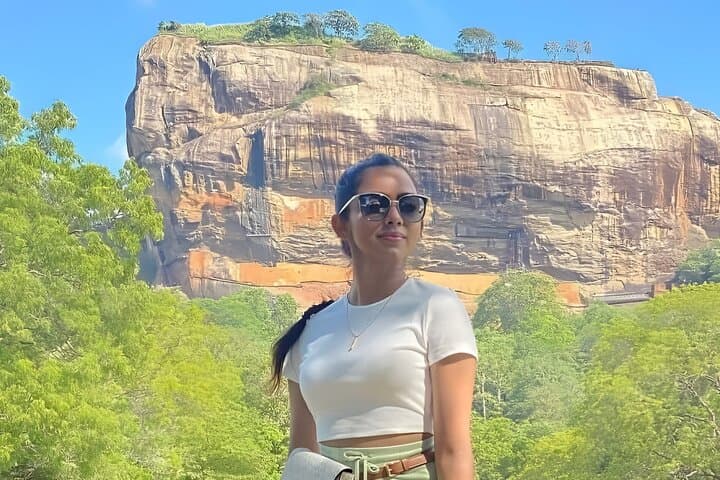

You step out of the air-conditioned van before dawn, the plains around Sigiriya still holding the day’s cool. A single monsoon cloud drifts low over a squat granite tower that rises abruptly from rice paddies and scrub: Sigiriya, the 5th-century fortress known as Lion Rock. The guide checks your ticket, gestures up the stepped path and, as the sun lifts, the first frescoes on the approach appear like timeworn pages in an open book—pigments softened but images intact.
You step out of the air-conditioned van before dawn, the plains around Sigiriya still holding the day’s cool. A single monsoon cloud drifts low over a squat granite tower that rises abruptly from rice paddies and scrub: Sigiriya, the 5th-century fortress known as Lion Rock. The guide checks your ticket, gestures up the stepped path and, as the sun lifts, the first frescoes on the approach appear like timeworn pages in an open book—pigments softened but images intact.
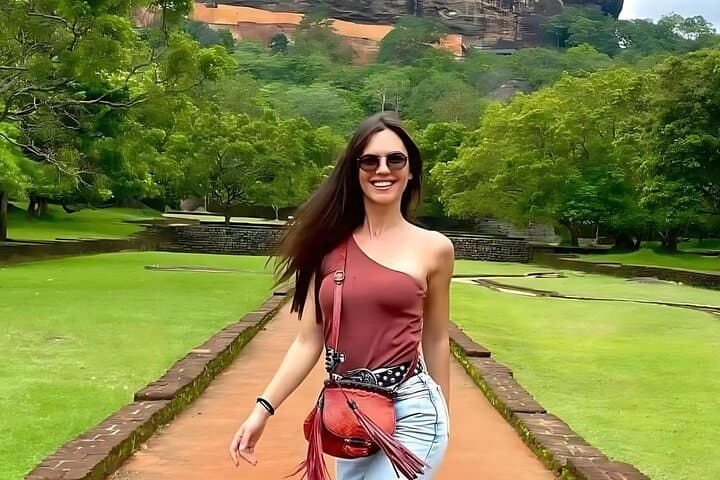
The climb to Sigiriya’s summit is part earnest hike, part cultural excavation. Carved staircases and modern platforms thread through the rock face, past the carved lion paws that mark the near-top vantage and the famed mirror wall where ancient graffiti still records pilgrim impressions. Below, the water gardens—engineered pools, canals and fountains—lie geometrically ordered, proof that the site was as much hydraulic project as palace-citadel.
A short drive away, Dambulla Cave Temple offers a different kind of vertical journey: into cool, incense-scented chambers. Five caves carved into a basalt outcrop hold 2,000 years of devotion—murals covering every available surface and a procession of Buddha statues, reclining and standing. The rock seems to absorb the sound; whispered tours don’t travel far.
Geology shaped both sites. Sigiriya’s hardened magma plug resisted erosion while softer plains were worn away, leaving the dramatic tower. Dambulla’s caves formed within basalt flows that created natural alcoves ripe for religious use. Together they show how natural features became platforms for power and piety.
Practical side: this is a long, front-loaded day. Expect early pickup in Colombo and a full schedule that can stretch 12–18 hours depending on traffic. Wear shoes with good grip—many steps are steep and polished by millennia of feet—and carry sun protection. Hydration matters; bottled water is included, but bring a refillable bottle for the drive. Guides on this tour use timed entries and local knowledge to minimize queues, which preserves time for interpretation: irrigation engineering at Sigiriya, iconography at Dambulla, and the social history of King Kashyapa’s brief, turbulent reign.
Cultural etiquette is straightforward: remove shoes and hats inside temple caves, speak softly, and don’t touch murals or statues. For photographers, the play of morning light across Sigiriya’s gardens and the shadowed gold of Dambulla’s statues offer contrasting palettes; plan shots around sunrise and mid-morning.
This trip suits travelers who want depth—history, geology and a steady physical challenge—wrapped into one ambitious day. Come prepared, and these two ancient places will reward you with views and stories that reach across centuries.