THE ADVENTURE COLLECTIVE® · Independent discovery and booking for outdoor travel

Start at Kirstenbosch before dawn and climb Skeleton Gorge to Table Mountain’s summit on this 6‑hour guided loop. Expect steep, variable terrain, rare afro‑montane forest and sunrise views over Cape Town.
Start at Kirstenbosch before dawn and climb Skeleton Gorge to Table Mountain’s summit on this 6‑hour guided loop. Expect steep, variable terrain, rare afro‑montane forest and sunrise views over Cape Town.
You reach the gates of Kirstenbosch before dawn, a slow pulse of light behind the Twelve Apostles ridge. The air is cool and sharp; fynbos smells faintly of resin and peat. A small group gathers beneath the canopy walkway, coffee cooling in paper cups, while a guide checks boots and points the way toward a narrow, green throat in the mountain: Skeleton Gorge.
Verified experiences and guided adventures in the surrounding area.
Operated by Big startups pty ltd · Cape Town, Western Cape
You reach the gates of Kirstenbosch before dawn, a slow pulse of light behind the Twelve Apostles ridge. The air is cool and sharp; fynbos smells faintly of resin and peat. A small group gathers beneath the canopy walkway, coffee cooling in paper cups, while a guide checks boots and points the way toward a narrow, green throat in the mountain: Skeleton Gorge.
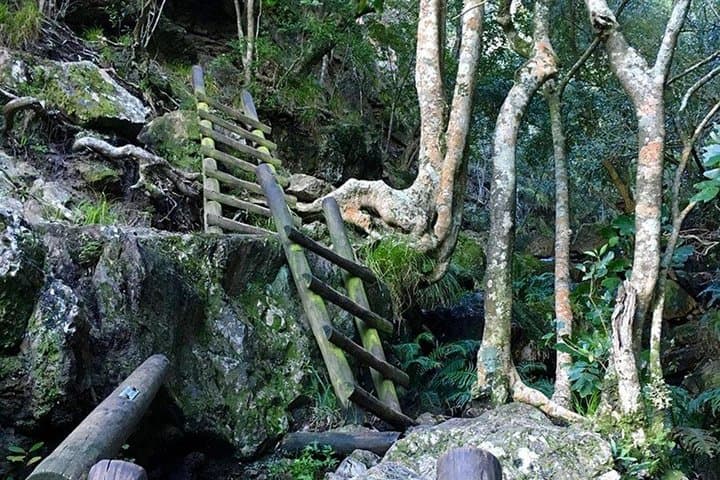
The first hour winds up through a gorge that seems to be breathing — trees lean in, water finds the stones and dares you to stay dry. The route switches from packed dirt to roots and granite slabs, then to chains and carved steps where the mountain tightens its grip. At intervals the slope relents and offers views back over Constantia and the Southern Suburbs, the city lights dimming as the sun climbs.
Geology and culture sit close here. Table Mountain’s flat crown is ancient sandstone, worn by wind and fire over hundreds of millions of years; Skeleton Gorge itself is a river-cut cleft that supports a pocket of afro-montane forest, a rare habitat on the Cape Peninsula. Kirstenbosch, opened in 1913, was created to protect that very flora — the fynbos species that define the Cape Floral Region, a UNESCO World Heritage Site. Local guides often point out medicinal plants and explain how Khoikhoi and San peoples once navigated these slopes.
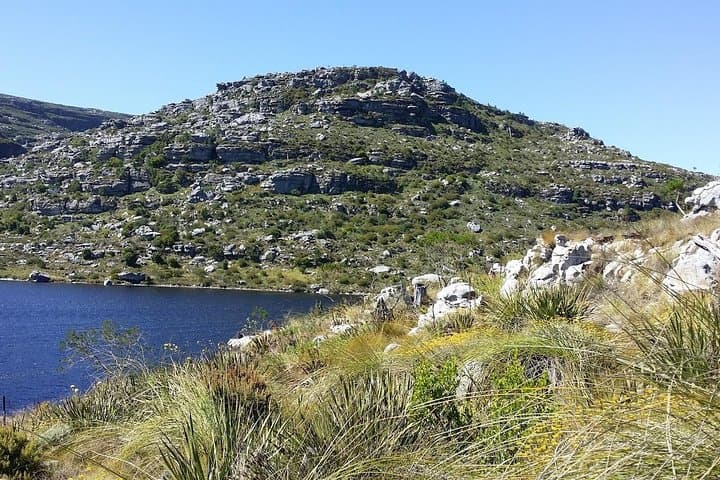
By mid-hike the summit broadens and the city lays out below — a patchwork of beaches, harbors and suburbs framed by the Atlantic. Descend via Nursery Ravine and the route opens to sun, wind and a different slate of plants clinging to thinner soil. The loop rewards you with variety: dripping forest, exposed rock, and sweeping panoramas.
Practical note: this is a full-day effort — expect 6 hours, roughly 8–10 km with 700–900 m of elevation gain depending on your exact path. The terrain alternates between stable trail and sections that require basic scrambling; use steady footwear with good grip. Bring water (1.5–2 L), a windproof layer, and snacks; the guide provides bottled water, hot drinks and light snacks.
Timing matters. Sunrise starts cold and wet in the gorge; later the summit can be wind-blasted. Weather changes quickly on Table Mountain — check forecasts and be prepared to postpone if visibility or wind are poor. For photographers, early morning light slices the cliffs and the city glows; for naturalists, spring brings wildflower color and active birdlife.
This guided Sunrise hike is practical, steeped in natural history, and built around one persistent promise: the mountain will test you, then open up into one of Cape Town’s most memorable views.
challenging.
6 hours.
Good cardiovascular fitness and leg strength for steep, sustained climbs; comfortable with a steady pace and short scrambles.
The guided loop is about 6 hours, roughly 8–10 km with approximately 700–900 m of elevation gain depending on route variations.
It's rated challenging due to sustained climbing and uneven terrain; beginners in good fitness can do it with a slower pace and guidance, but be prepared for scrambling.
Restrooms are available at Kirstenbosch before you start and at some visitor points; on the mountain itself facilities are limited, so plan accordingly.
Guides monitor conditions closely; hikes may be postponed or rerouted for safety if visibility, wind, or rain make the route unsafe.
Hotel pickup in central Cape Town is included as an option; confirm your exact pickup time with the provider after booking.
Young children may find the technical sections difficult and infants must sit on laps if brought; dogs are generally not suitable for this route due to terrain and conservation rules.
Kirstenbosch was established in 1913 to protect South Africa’s unique flora; the Table Mountain range has been shaped by sandstone deposition and erosion over hundreds of millions of years.
The Cape Floral Kingdom is globally significant and sensitive to trampling and invasive species—stick to trails, avoid picking plants, and follow guide instructions to minimize impact.
Big startups pty ltd operates guided outdoor trips and adventures with an emphasis on safety, stewardship, and memorable experiences.

You reach the gates of Kirstenbosch before dawn, a slow pulse of light behind the Twelve Apostles ridge. The air is cool and sharp; fynbos smells faintly of resin and peat. A small group gathers beneath the canopy walkway, coffee cooling in paper cups, while a guide checks boots and points the way toward a narrow, green throat in the mountain: Skeleton Gorge.
You reach the gates of Kirstenbosch before dawn, a slow pulse of light behind the Twelve Apostles ridge. The air is cool and sharp; fynbos smells faintly of resin and peat. A small group gathers beneath the canopy walkway, coffee cooling in paper cups, while a guide checks boots and points the way toward a narrow, green throat in the mountain: Skeleton Gorge.
The first hour winds up through a gorge that seems to be breathing — trees lean in, water finds the stones and dares you to stay dry. The route switches from packed dirt to roots and granite slabs, then to chains and carved steps where the mountain tightens its grip. At intervals the slope relents and offers views back over Constantia and the Southern Suburbs, the city lights dimming as the sun climbs.
Geology and culture sit close here. Table Mountain’s flat crown is ancient sandstone, worn by wind and fire over hundreds of millions of years; Skeleton Gorge itself is a river-cut cleft that supports a pocket of afro-montane forest, a rare habitat on the Cape Peninsula. Kirstenbosch, opened in 1913, was created to protect that very flora — the fynbos species that define the Cape Floral Region, a UNESCO World Heritage Site. Local guides often point out medicinal plants and explain how Khoikhoi and San peoples once navigated these slopes.
By mid-hike the summit broadens and the city lays out below — a patchwork of beaches, harbors and suburbs framed by the Atlantic. Descend via Nursery Ravine and the route opens to sun, wind and a different slate of plants clinging to thinner soil. The loop rewards you with variety: dripping forest, exposed rock, and sweeping panoramas.
Practical note: this is a full-day effort — expect 6 hours, roughly 8–10 km with 700–900 m of elevation gain depending on your exact path. The terrain alternates between stable trail and sections that require basic scrambling; use steady footwear with good grip. Bring water (1.5–2 L), a windproof layer, and snacks; the guide provides bottled water, hot drinks and light snacks.
Timing matters. Sunrise starts cold and wet in the gorge; later the summit can be wind-blasted. Weather changes quickly on Table Mountain — check forecasts and be prepared to postpone if visibility or wind are poor. For photographers, early morning light slices the cliffs and the city glows; for naturalists, spring brings wildflower color and active birdlife.
This guided Sunrise hike is practical, steeped in natural history, and built around one persistent promise: the mountain will test you, then open up into one of Cape Town’s most memorable views.