THE ADVENTURE COLLECTIVE® · Independent discovery and booking for outdoor travel

A 15‑minute fixed‑wing flight that flips perspective on Iceland’s southeast: glide over braided glacial rivers, black sand plains, and the Vatnajökull ice cap for a concentrated, photo‑ready view of Skaftafell’s raw terrain. Fast, weather‑dependent, and ideal as a reconnaissance for longer hikes.
A 15‑minute fixed‑wing flight that flips perspective on Iceland’s southeast: glide over braided glacial rivers, black sand plains, and the Vatnajökull ice cap for a concentrated, photo‑ready view of Skaftafell’s raw terrain. Fast, weather‑dependent, and ideal as a reconnaissance for longer hikes.
You taxi down a short strip, a small fixed‑wing plane humming under your feet, and then the world unspools beneath you—black sand plains like brush strokes, braided glacial rivers cutting the Skeiðarársandur, and the immense white mass of Vatnajökull giving way to sculpted glacier tongues. In a 15‑minute sweep you trade the narrow perspective of the ring road for an aerial map: icefalls, lagoons dotted with icebergs, and the dark, volcanic silhouette of Öræfajökull to the north.
Verified experiences and guided adventures in the surrounding area.
Operated by Atlantsflug/Flightseeing · Skaftafell, Suðurland
You taxi down a short strip, a small fixed‑wing plane humming under your feet, and then the world unspools beneath you—black sand plains like brush strokes, braided glacial rivers cutting the Skeiðarársandur, and the immense white mass of Vatnajökull giving way to sculpted glacier tongues. In a 15‑minute sweep you trade the narrow perspective of the ring road for an aerial map: icefalls, lagoons dotted with icebergs, and the dark, volcanic silhouette of Öræfajökull to the north.
Skaftafell sits on the southern edge of Europe’s largest ice cap, and the landscape you cross was carved by repeated jökulhlaups—sudden glacial floods—fed by subglacial volcanoes. Öræfajökull’s 1362 eruption reshaped coastlines and communities; today its glacier and caldera remain dominant features visible from the air. From above you can read the recent history of the land: moraine lines, meltwater channels, and the slow retreat of blue ice fingers that feed proglacial lagoons.
Beyond geology, the flight offers a practical reconnaissance: pilots choose the best conditions each day, so routes change to show what’s most photogenic—Skeiðarárjökull’s crevassed apron, the checkerboard of meltwater, or the glittering ponds near Jökulsárlón. The experience is brief but intense—a concentrated survey that helps you plan longer visits on foot, whether that means a glacier walk, a beach visit where ice meets black sand, or a hike to Svartifoss.
Practical guide: arrive at Skaftafell Terminal 20 minutes early for check‑in and weight briefing. Dress in warm, wind‑resistant layers—even in summer the wind at altitude bites. Window seats on the side opposite the sun give better contrast for photographing ice textures; a polarizing filter reduces glare. The flight is suitable for almost all fitness levels, but small aircraft have weight and balance limits that can affect availability. Weather can cancel flights—operators generally require minimum passengers and will offer alternatives or refunds if necessary.
For first‑time visitors, combine the flight with a short hike on arrival or departure day: Svartifoss’s basalt columns and the accessible Svínafellsjökull viewing areas extend the aerial story on the ground. Keep in mind the landscape is fragile—stay on marked paths and respect riverbanks; glacial rivers are powerful and unpredictable.
In 15 minutes you gain orientation and a new relationship to scale: glaciers that looked static from the road appear as living rivers of ice, and the black beaches take on the role of stage for the dynamic flows that still shape Iceland’s southeast coast. It’s a compact, exhilarating way to understand a landscape in motion.
easy.
15 minutes.
No special fitness required beyond boarding a small aircraft; suitable for most travelers able to sit upright.
The tour is a fixed 15‑minute flight; arrival and boarding add additional time so arrive 20 minutes early.
Yes—infants may sit on an adult’s lap, but notify the operator at booking and follow safety guidance.
If weather or insufficient passengers cancel the flight, the operator will offer an alternative date or a full refund, per the 24‑hour cancellation policy.
Small aircraft have weight and balance limits; operators may request passenger weights at booking to ensure safe loading.
Accessibility is limited—check with the operator in advance about assistance needs and specific aircraft accommodations.
Routes vary by conditions, but pilots aim to show the most striking glacier and lagoon features available that day, including nearby lagoons when visibility allows.
The Öræfajökull volcano’s 1362 eruption dramatically altered southeast Iceland; repeated glacial floods have since shaped the Skeiðarársandur outwash plain you’ll see from above.
Glacial and outwash areas are fragile and changing rapidly; stick to marked trails, avoid riverbanks, and follow local guidance to limit erosion and safety risks.
Atlantsflug/Flightseeing operates guided outdoor trips and adventures with an emphasis on safety, stewardship, and memorable experiences.
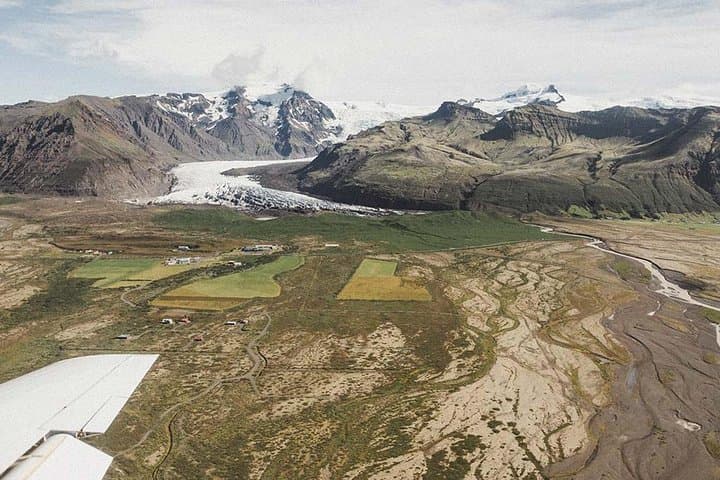
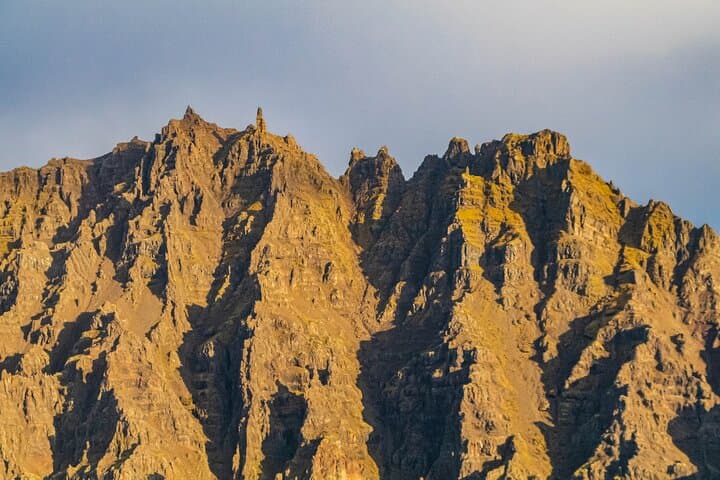
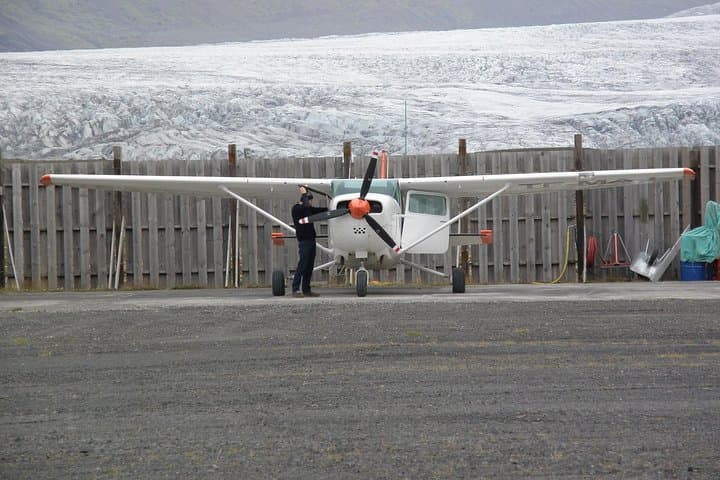
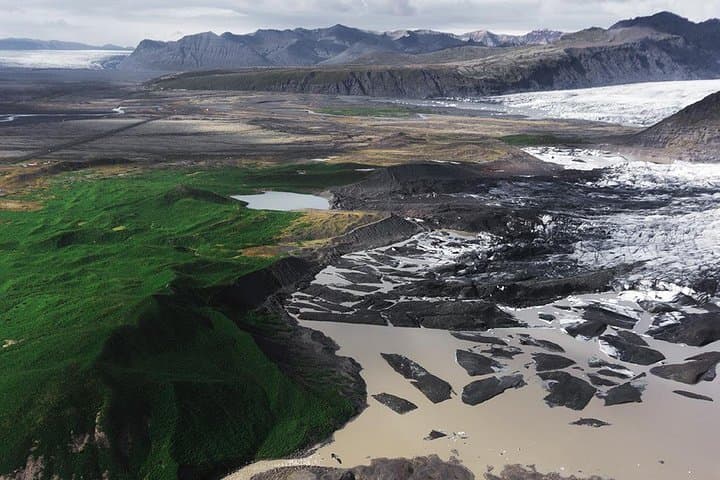
You taxi down a short strip, a small fixed‑wing plane humming under your feet, and then the world unspools beneath you—black sand plains like brush strokes, braided glacial rivers cutting the Skeiðarársandur, and the immense white mass of Vatnajökull giving way to sculpted glacier tongues. In a 15‑minute sweep you trade the narrow perspective of the ring road for an aerial map: icefalls, lagoons dotted with icebergs, and the dark, volcanic silhouette of Öræfajökull to the north.
You taxi down a short strip, a small fixed‑wing plane humming under your feet, and then the world unspools beneath you—black sand plains like brush strokes, braided glacial rivers cutting the Skeiðarársandur, and the immense white mass of Vatnajökull giving way to sculpted glacier tongues. In a 15‑minute sweep you trade the narrow perspective of the ring road for an aerial map: icefalls, lagoons dotted with icebergs, and the dark, volcanic silhouette of Öræfajökull to the north.
Skaftafell sits on the southern edge of Europe’s largest ice cap, and the landscape you cross was carved by repeated jökulhlaups—sudden glacial floods—fed by subglacial volcanoes. Öræfajökull’s 1362 eruption reshaped coastlines and communities; today its glacier and caldera remain dominant features visible from the air. From above you can read the recent history of the land: moraine lines, meltwater channels, and the slow retreat of blue ice fingers that feed proglacial lagoons.
Beyond geology, the flight offers a practical reconnaissance: pilots choose the best conditions each day, so routes change to show what’s most photogenic—Skeiðarárjökull’s crevassed apron, the checkerboard of meltwater, or the glittering ponds near Jökulsárlón. The experience is brief but intense—a concentrated survey that helps you plan longer visits on foot, whether that means a glacier walk, a beach visit where ice meets black sand, or a hike to Svartifoss.
Practical guide: arrive at Skaftafell Terminal 20 minutes early for check‑in and weight briefing. Dress in warm, wind‑resistant layers—even in summer the wind at altitude bites. Window seats on the side opposite the sun give better contrast for photographing ice textures; a polarizing filter reduces glare. The flight is suitable for almost all fitness levels, but small aircraft have weight and balance limits that can affect availability. Weather can cancel flights—operators generally require minimum passengers and will offer alternatives or refunds if necessary.
For first‑time visitors, combine the flight with a short hike on arrival or departure day: Svartifoss’s basalt columns and the accessible Svínafellsjökull viewing areas extend the aerial story on the ground. Keep in mind the landscape is fragile—stay on marked paths and respect riverbanks; glacial rivers are powerful and unpredictable.
In 15 minutes you gain orientation and a new relationship to scale: glaciers that looked static from the road appear as living rivers of ice, and the black beaches take on the role of stage for the dynamic flows that still shape Iceland’s southeast coast. It’s a compact, exhilarating way to understand a landscape in motion.