THE ADVENTURE COLLECTIVE® · Independent discovery and booking for outdoor travel

Walk the French Quarter after dusk: a paced, 1–2 hour mix of history, Voodoo lore, ghost stories and impromptu bar pit-stops. This tour blends New Orleans civic history with the city’s darker legends—plus a chance to try real paranormal gear.
Walk the French Quarter after dusk: a paced, 1–2 hour mix of history, Voodoo lore, ghost stories and impromptu bar pit-stops. This tour blends New Orleans civic history with the city’s darker legends—plus a chance to try real paranormal gear.
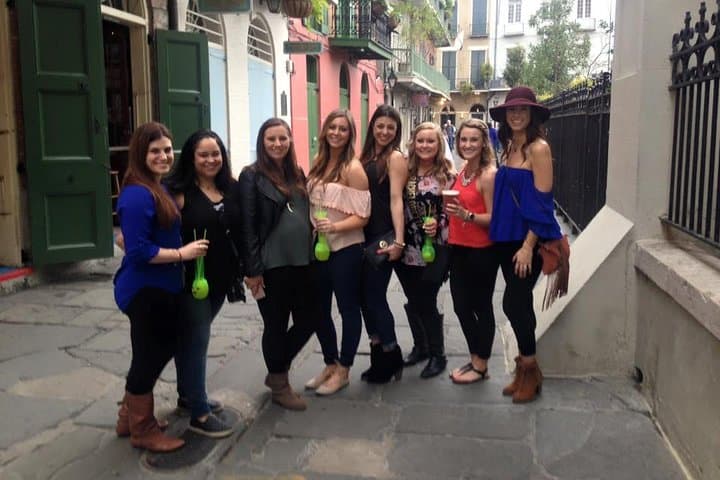
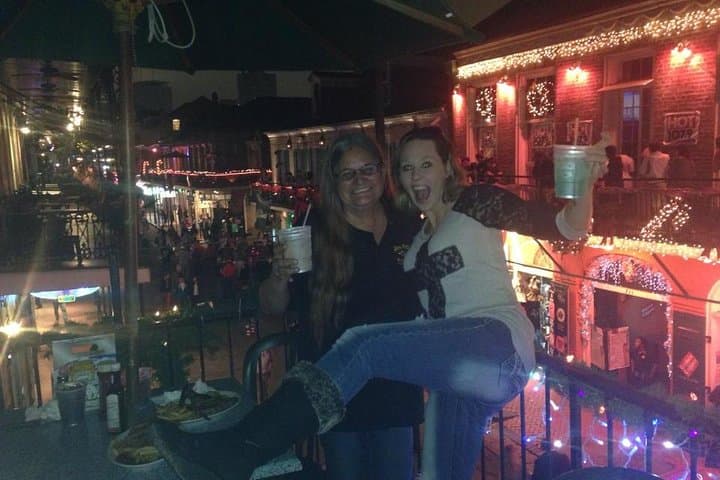
A humid evening on Bourbon Street feels like a page turning. Street lamps smear golden halos over iron balconies, and the air carries saxophone notes threaded with the smell of fried dough. You meet at the gate outside Lafitte’s Blacksmith Shop and the guide—part historian, part showman—pulls the group into alleys where shutters rattle and stories live loud enough to touch.
Verified experiences and guided adventures in the surrounding area.
Operated by New Orleans Drunk History Tours • Show Me New Orleans Tours · New Orleans, Louisiana
A humid evening on Bourbon Street feels like a page turning. Street lamps smear golden halos over iron balconies, and the air carries saxophone notes threaded with the smell of fried dough. You meet at the gate outside Lafitte’s Blacksmith Shop and the guide—part historian, part showman—pulls the group into alleys where shutters rattle and stories live loud enough to touch.
The walk traces the French Quarter’s layered past: colonial parcels laid down by French and Spanish planners, the blunt commerce of the Mississippi River daring the city to grow, and the deep cultural currents of free people of color, Creole families, and enslaved Africans that made New Orleans what it is. You’ll pass Jackson Square and the St. Louis Cathedral, then stand where the Louisiana Purchase was signed—sites that read like a civic ledger of ambition and contradiction.
Beneath the surface is the city’s darker folklore. Guides point out houses where the police logged vampire sightings, the doorway where a ghost named Julie is reported to appear, and corners associated with Marie Laveau and the origins of local Voodoo. The tour leans into the paranormal with real equipment available to check out—EMF readers, audio recorders—so you can try listening for a city that won’t be quiet about its past.
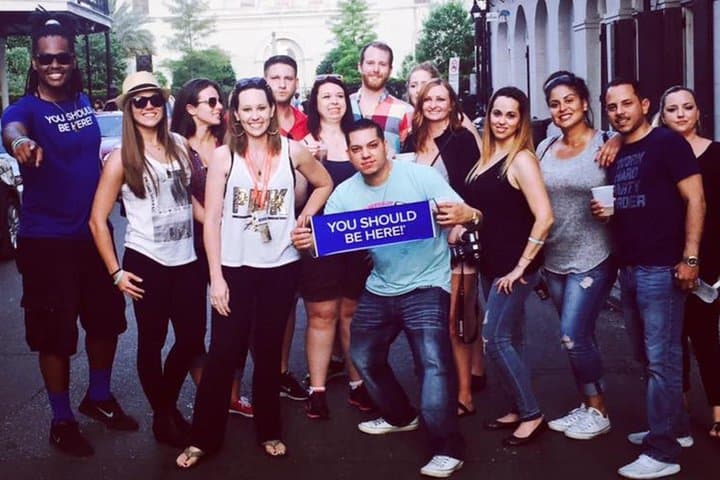
This is also a walking pub crawl without formal bar entries: the guide stops outside more than 200 bars, and you’re free to pop in for a refill; the group pauses while you grab a to-go cup. The rhythm of the route is practical—moderate pace, roughly 60–120 minutes depending on crowding and bar waits—yet the feel is curiously cinematic. Brick and cobbles, neon and candles, a guide with a story in reserve: it’s New Orleans in motion.
Practical note: the Quarter’s streets are old—expect uneven sidewalks and occasional crowds. Bring sturdy shoes, carry ID (bars will check), and plan around weather—this is rain-or-shine. Tours can be wheelchair and stroller accessible on many stretches, but check in advance about specific mobility needs.
If you want to come away with more than a tingle, ask your guide about the Built Environment—why streets sit above subsidence, what the levee system changed—and about the living neighborhoods beyond the tourist strip. Leave room in your evening for the unexpected: a late-night band spilling onto the street, or a cryptic rumor about a house on Royal that suddenly makes sense in the dark.
This tour is part history lesson, part ghost-hunt, part social bar-hop—best for travelers who like their sightseeing with a side of story and don’t mind a little mystery with their cocktail.
easy.
1–2 hours.
Suitable for most fitness levels; expect walking on uneven surfaces and standing during stops.
Tours typically run 60–120 minutes; wait times inside busy bars can extend the duration.
No — drinks are available to purchase at bars along the route; the guide can suggest popular local options.
Children can join if accompanied by an adult, but some bars do not allow minors inside—check with the guide about family-friendly stops.
Many parts of the route are wheelchair accessible, but old streets and crowding can present challenges—contact the operator ahead for specifics.
Yes — equipment must be checked out at check-in and returned before the tour ends; staff will record contact details when you borrow gear.
All sales are final; tours can be cancelled by the operator for insufficient bookings or severe situations, in which case guests are notified and offered alternatives or refunds per operator policy.
The French Quarter dates to the early 18th century and preserves street patterns from French and Spanish colonial periods; many public squares and buildings reflect that layered past.
The Quarter sits on low-lying delta soils; local conservation efforts focus on flood protection, historic preservation, and reducing tourist impact on residential streets.
New Orleans Drunk History Tours • Show Me New Orleans Tours operates guided outdoor trips and adventures with an emphasis on safety, stewardship, and memorable experiences.
A humid evening on Bourbon Street feels like a page turning. Street lamps smear golden halos over iron balconies, and the air carries saxophone notes threaded with the smell of fried dough. You meet at the gate outside Lafitte’s Blacksmith Shop and the guide—part historian, part showman—pulls the group into alleys where shutters rattle and stories live loud enough to touch.
A humid evening on Bourbon Street feels like a page turning. Street lamps smear golden halos over iron balconies, and the air carries saxophone notes threaded with the smell of fried dough. You meet at the gate outside Lafitte’s Blacksmith Shop and the guide—part historian, part showman—pulls the group into alleys where shutters rattle and stories live loud enough to touch.
The walk traces the French Quarter’s layered past: colonial parcels laid down by French and Spanish planners, the blunt commerce of the Mississippi River daring the city to grow, and the deep cultural currents of free people of color, Creole families, and enslaved Africans that made New Orleans what it is. You’ll pass Jackson Square and the St. Louis Cathedral, then stand where the Louisiana Purchase was signed—sites that read like a civic ledger of ambition and contradiction.
Beneath the surface is the city’s darker folklore. Guides point out houses where the police logged vampire sightings, the doorway where a ghost named Julie is reported to appear, and corners associated with Marie Laveau and the origins of local Voodoo. The tour leans into the paranormal with real equipment available to check out—EMF readers, audio recorders—so you can try listening for a city that won’t be quiet about its past.
This is also a walking pub crawl without formal bar entries: the guide stops outside more than 200 bars, and you’re free to pop in for a refill; the group pauses while you grab a to-go cup. The rhythm of the route is practical—moderate pace, roughly 60–120 minutes depending on crowding and bar waits—yet the feel is curiously cinematic. Brick and cobbles, neon and candles, a guide with a story in reserve: it’s New Orleans in motion.
Practical note: the Quarter’s streets are old—expect uneven sidewalks and occasional crowds. Bring sturdy shoes, carry ID (bars will check), and plan around weather—this is rain-or-shine. Tours can be wheelchair and stroller accessible on many stretches, but check in advance about specific mobility needs.
If you want to come away with more than a tingle, ask your guide about the Built Environment—why streets sit above subsidence, what the levee system changed—and about the living neighborhoods beyond the tourist strip. Leave room in your evening for the unexpected: a late-night band spilling onto the street, or a cryptic rumor about a house on Royal that suddenly makes sense in the dark.
This tour is part history lesson, part ghost-hunt, part social bar-hop—best for travelers who like their sightseeing with a side of story and don’t mind a little mystery with their cocktail.