THE ADVENTURE COLLECTIVE® · Independent discovery and booking for outdoor travel

Spend a day moving from fairy‑tale palaces to the dramatic edge of Europe and the sunlit streets of Cascais. This private full‑day tour from Lisbon pairs artful architecture, windswept cliffs and seaside history with a driver who handles logistics and optional professional photos.
Spend a day moving from fairy‑tale palaces to the dramatic edge of Europe and the sunlit streets of Cascais. This private full‑day tour from Lisbon pairs artful architecture, windswept cliffs and seaside history with a driver who handles logistics and optional professional photos.
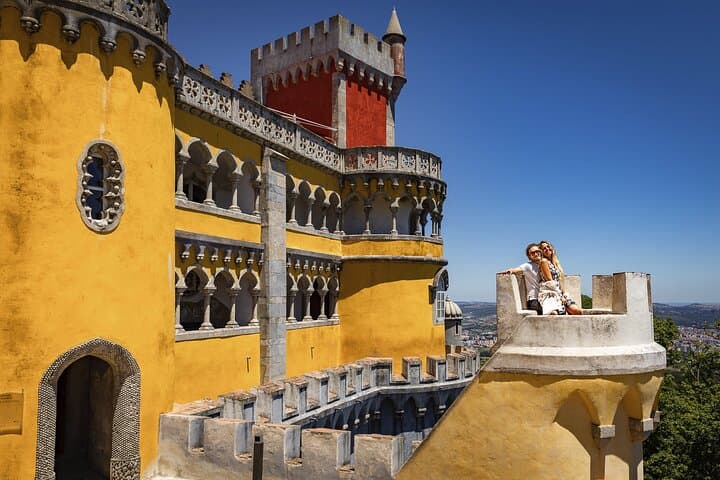
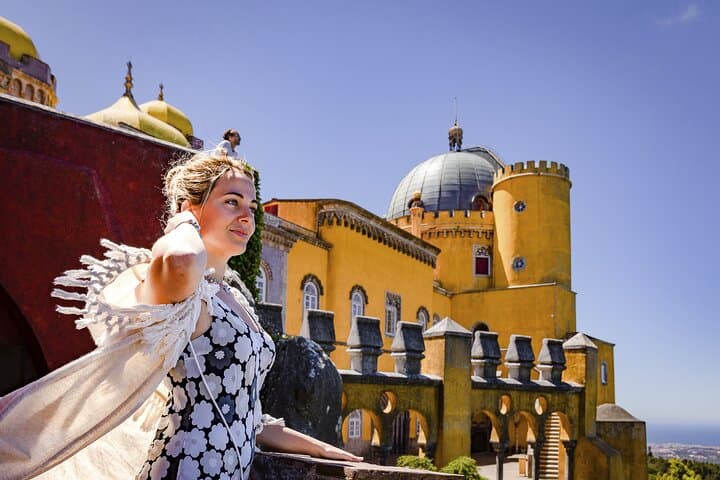
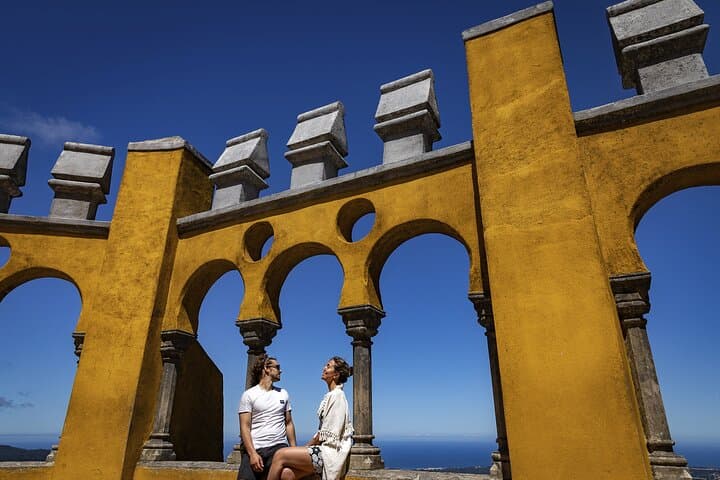
You step out of Lisbon’s morning haze and the road pulls you inland toward the green shoulders of the Sintra hills. By the time the driver eases into the steep lanes, the town has already pulled its mist around a crown of turrets and painted facades — Pena Palace rising like a daydream above the trees. The day unfolds as a sequence of contrasts: ornate 19th‑century romanticism, Atlantic wind-hammered cliffs and the tidy glamour of the Portuguese Riviera.
Verified experiences and guided adventures in the surrounding area.
Operated by WELLCAM · Sintra, Lisbon District
You step out of Lisbon’s morning haze and the road pulls you inland toward the green shoulders of the Sintra hills. By the time the driver eases into the steep lanes, the town has already pulled its mist around a crown of turrets and painted facades — Pena Palace rising like a daydream above the trees. The day unfolds as a sequence of contrasts: ornate 19th‑century romanticism, Atlantic wind-hammered cliffs and the tidy glamour of the Portuguese Riviera.
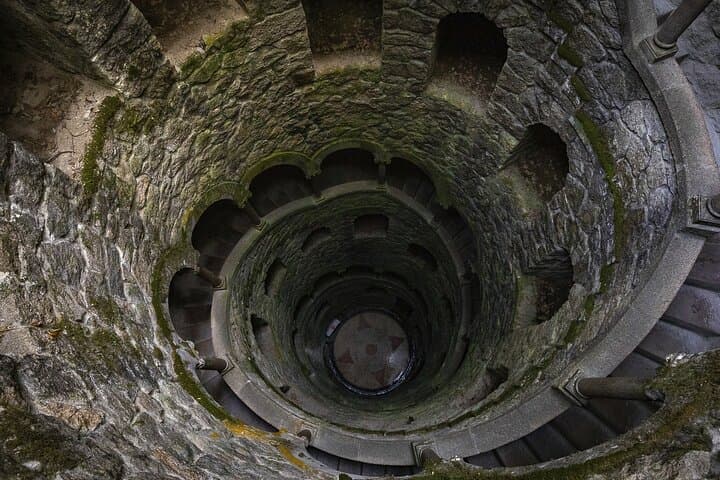
Sintra’s appeal is part architecture and part geology. The Serra de Sintra is an unusual island of hills — granite and older metamorphic rocks — that lifts abruptly from the coastal plain, giving palaces panoramic dominance. Royalty and Romantic poets were drawn here in the 18th and 19th centuries; the kaleidoscopic Pena Palace and the ritual pathways at Quinta da Regaleira reflect a period when fantasy was a civic project. A short drive takes you to Cabo da Roca, the westernmost point of continental Europe: a 140‑meter cliff where the Atlantic glares and dares you to approach the edge, lighthouse blinking like a maritime eye.
Cascais and Estoril offer the final act: a seaside town that traded humble fishing boats for grand villas and casinos, a neutral refuge for exiled royals during World War II. Walk the promenade and you’ll find fresh sardines, pastelarias serving travesseiros (the puff‑pastry pillow Sintra is famous for), and a coastline shaped as much by tides as by history.
Practical guide: this is a private, door‑to‑door experience that runs roughly 8–9 hours. Admissions to palaces are not included — book Pena Palace and Quinta da Regaleira tickets ahead if you want to skip lines; the driver can help with logistics and photography. Expect short uphill walks: the ascent to Pena’s terraces involves several hundred meters of cobbled or stepped paths and roughly a 150–200‑meter elevation change once you leave the parking area. Cabo da Roca includes a brief cliffside path; watch the wind and stay behind barriers.
Timing matters: start early to beat crowds at Pena, and plan Cascais for late afternoon light. Bring layered clothing (the coast can be ten degrees cooler than Lisbon), sturdy shoes for uneven stone, sun protection and a compact rain shell — mountain fog can turn to an Atlantic drizzle without warning. A small daypack with water, camera and comfort items is all you need. For travelers interested in culture, ask your guide about local pastries and the wartime history of Estoril — those details turn a scenic day into an understood place.
The route is comfortable for most fitness levels but rewards curiosity: step off the main viewpoints, listen to the sea hitting the rocks, and you’ll leave with something more than photos — a sense of how landscape, history and the ocean have shaped this coastline.
easy.
8–9 hours.
Suitable for most fitness levels; involves short uphill walks and cobbled terrain—be comfortable with intermittent inclines.
No — admissions are not included. The driver can help with ticket purchase and timing, but book Pena Palace and Quinta da Regaleira in advance to skip lines.
The tour offers pickup from hotels, AirBnBs, Lisbon Cruise Terminal or Lisbon Airport; specify your pickup point at booking.
Yes — infant seats are available and the tour is stroller accessible, though some palace grounds have stairs.
Expect short walks at each stop: uphill paths at Pena, short cliffside trails at Cabo da Roca and cobbled streets in Sintra and Cascais.
Yes — this is a private tour with transportation for your party and a driver who can provide local commentary and optional photography services.
Full refund if canceled at least 24 hours before departure; no refund if canceled within 24 hours.
Sintra became a royal and Romantic retreat in the 18th–19th centuries; Estoril and Cascais later hosted exiled aristocracy and diplomatic intrigue during World War II.
The route sits inside the Sintra‑Cascais Natural Park; stick to marked trails, avoid cliff edges, and take all waste back to town to minimize erosion and pollution.
WELLCAM operates guided outdoor trips and adventures with an emphasis on safety, stewardship, and memorable experiences.
You step out of Lisbon’s morning haze and the road pulls you inland toward the green shoulders of the Sintra hills. By the time the driver eases into the steep lanes, the town has already pulled its mist around a crown of turrets and painted facades — Pena Palace rising like a daydream above the trees. The day unfolds as a sequence of contrasts: ornate 19th‑century romanticism, Atlantic wind-hammered cliffs and the tidy glamour of the Portuguese Riviera.
You step out of Lisbon’s morning haze and the road pulls you inland toward the green shoulders of the Sintra hills. By the time the driver eases into the steep lanes, the town has already pulled its mist around a crown of turrets and painted facades — Pena Palace rising like a daydream above the trees. The day unfolds as a sequence of contrasts: ornate 19th‑century romanticism, Atlantic wind-hammered cliffs and the tidy glamour of the Portuguese Riviera.
Sintra’s appeal is part architecture and part geology. The Serra de Sintra is an unusual island of hills — granite and older metamorphic rocks — that lifts abruptly from the coastal plain, giving palaces panoramic dominance. Royalty and Romantic poets were drawn here in the 18th and 19th centuries; the kaleidoscopic Pena Palace and the ritual pathways at Quinta da Regaleira reflect a period when fantasy was a civic project. A short drive takes you to Cabo da Roca, the westernmost point of continental Europe: a 140‑meter cliff where the Atlantic glares and dares you to approach the edge, lighthouse blinking like a maritime eye.
Cascais and Estoril offer the final act: a seaside town that traded humble fishing boats for grand villas and casinos, a neutral refuge for exiled royals during World War II. Walk the promenade and you’ll find fresh sardines, pastelarias serving travesseiros (the puff‑pastry pillow Sintra is famous for), and a coastline shaped as much by tides as by history.
Practical guide: this is a private, door‑to‑door experience that runs roughly 8–9 hours. Admissions to palaces are not included — book Pena Palace and Quinta da Regaleira tickets ahead if you want to skip lines; the driver can help with logistics and photography. Expect short uphill walks: the ascent to Pena’s terraces involves several hundred meters of cobbled or stepped paths and roughly a 150–200‑meter elevation change once you leave the parking area. Cabo da Roca includes a brief cliffside path; watch the wind and stay behind barriers.
Timing matters: start early to beat crowds at Pena, and plan Cascais for late afternoon light. Bring layered clothing (the coast can be ten degrees cooler than Lisbon), sturdy shoes for uneven stone, sun protection and a compact rain shell — mountain fog can turn to an Atlantic drizzle without warning. A small daypack with water, camera and comfort items is all you need. For travelers interested in culture, ask your guide about local pastries and the wartime history of Estoril — those details turn a scenic day into an understood place.
The route is comfortable for most fitness levels but rewards curiosity: step off the main viewpoints, listen to the sea hitting the rocks, and you’ll leave with something more than photos — a sense of how landscape, history and the ocean have shaped this coastline.