THE ADVENTURE COLLECTIVE® · Independent discovery and booking for outdoor travel

A full-day loop from Lisbon that pairs Sintra’s fairy-tale extravagance with the raw Atlantic edge of Cabo da Roca and the pounding arch of Boca do Inferno. Expect palace terraces, coastal cliffs and practical tips to make the most of an eight‑hour outing.
A full-day loop from Lisbon that pairs Sintra’s fairy-tale extravagance with the raw Atlantic edge of Cabo da Roca and the pounding arch of Boca do Inferno. Expect palace terraces, coastal cliffs and practical tips to make the most of an eight‑hour outing.
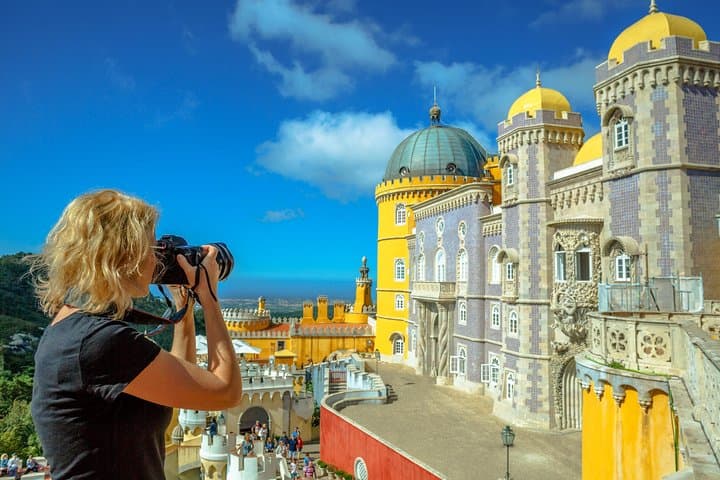
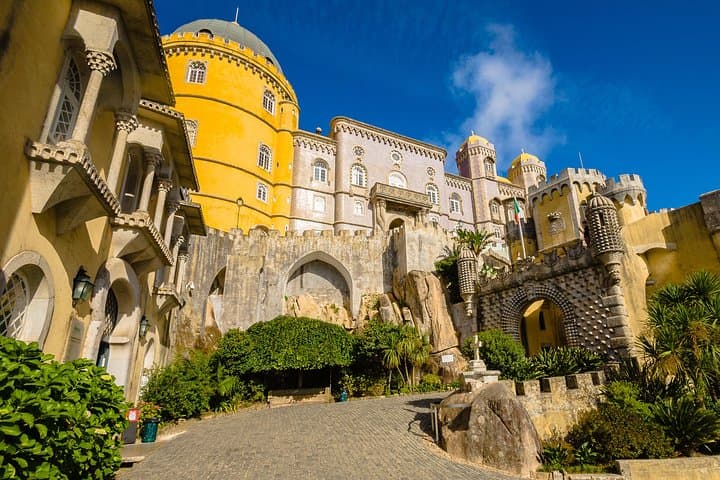
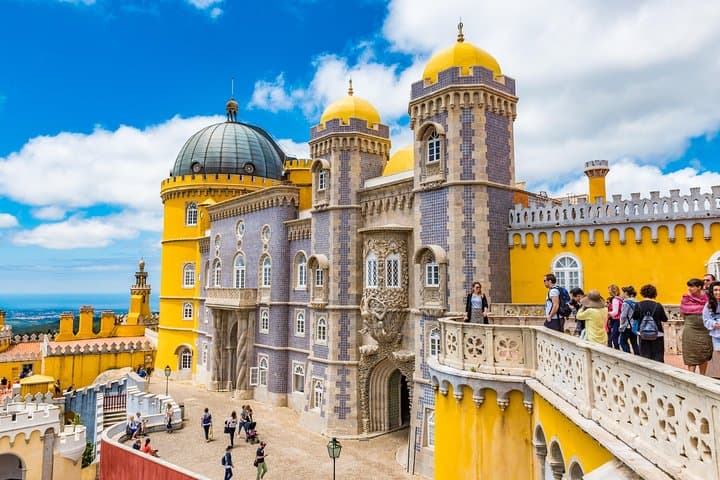
You start the day in Lisbon before the city has fully shaken off its morning quiet: trams clack from a distance, and the Atlantic puffs a cool breath through the bus windows as the road climbs toward the Sintra hills. Within thirty minutes the tile-roofed town slips behind a curtain of umbrella pines and laurel; the guide’s voice is a steady compass as the bus winds higher and Pena Palace appears—its candy-colored terraces and whimsical towers sitting like an argument with gravity.
Verified experiences and guided adventures in the surrounding area.
Operated by Go2Lisbon-Tours · Sintra, Lisbon District
You start the day in Lisbon before the city has fully shaken off its morning quiet: trams clack from a distance, and the Atlantic puffs a cool breath through the bus windows as the road climbs toward the Sintra hills. Within thirty minutes the tile-roofed town slips behind a curtain of umbrella pines and laurel; the guide’s voice is a steady compass as the bus winds higher and Pena Palace appears—its candy-colored terraces and whimsical towers sitting like an argument with gravity.
Two hours at Pena is enough time to move from the painted facades into the palace’s gardens, where specimen trees gathered in the 19th century loom like deliberate exotics. The palace itself is the physical embodiment of Romantic-era imagination: King Ferdinand II rebuilt a ruined monastery and stitched Gothic, Moorish and Renaissance fragments into something purposefully theatrical. The sandstone and azulejos tell a story of aristocratic travel, botanical obsession and Portugal’s reinvention after Napoleonic shocks.
Geology here is immediate: the Sintra massif is a block of granite and schist pushed up and weathered into ridges that dangle over the sea. That relief makes for dramatic microclimates—fog and sun can trade places on the palace terraces in an hour, and the flora follows the moisture. A short drive brings you toward the western limit of continental Europe at Cabo da Roca. The cliffline there does not ask for attention; it takes it—Atlantic swell carving the coast, wind uncoiling salt into your hair, and the stone edge daring you to step closer for the view.
On the return leg, the tour threads through Cascais with its small-boat harbor and summer buzz, then stops at Boca do Inferno, where waves have bored an arch and the ocean keeps testing the rock. The itinerary balances movement and time on foot: you’ll disembark often but not take long technical hikes—most walking is on paved paths or packed dirt.
Practical side: the full-day tour lasts about eight hours and includes hotel pickup and drop-off in central Lisbon, guided transport in an air-conditioned vehicle, and free time at each stop. Entrance to Pena Palace is not included; expect ticket queues unless you pre-book. Wear supportive walking shoes for uneven stone surfaces and bring layers—coastal wind and hilltop shade demand both. Sun protection and a water bottle make the day more comfortable, and a compact camera or phone with a wide-angle lens will capture palace courtyards and cliff panoramas.
Timely tips: start early to avoid crowds at Pena, and plan for limited mobility at some overlooks—Sintra’s steep slopes and steps remain a feature. For anyone who wants to linger, the tour gives small windows of free time to explore Cascais’ marina or the palace gardens on your own.
This is a day of contrasts: ornate human architecture perched on ancient rock, and the Atlantic’s relentless geometry carving the coastline. Both are on view, and both invite you to step out of the city and measure Portugal by sea-scent and stone.
easy.
8 hours.
Light to moderate—able to walk short distances, climb steps and stand for photo stops.
No; entrance to Pena Palace is not included. You can buy tickets in advance or at the site—pre-booking is recommended to avoid queues.
Yes, pickup and drop-off from centrally located Lisbon hotels or designated meeting points are included; you’ll confirm a pickup time when booking.
The vehicle and some meeting points are wheelchair accessible, but steep paths and steps at Pena Palace and some cliff viewpoints may limit full access.
Expect short to moderate amounts of walking—mostly paved paths and stairs, with free time for self-guided exploration at each stop.
Wear comfortable shoes, layers for changing weather, and sun protection. Coastal wind and hilltop shade make layering practical year-round.
Yes—infant seats are available when requested. The pace is family-friendly, but parents should supervise cliff edges and steep steps.
Pena Palace was rebuilt in the 19th century by King consort Ferdinand II on monastery ruins, becoming a showcase of Romantic-era eclectic architecture and exotic plantings.
The itinerary passes through the Sintra-Cascais Natural Park—please stick to marked paths, avoid disturbing vegetation and check for seasonal closures due to wildfire risk.
Go2Lisbon-Tours operates guided outdoor trips and adventures with an emphasis on safety, stewardship, and memorable experiences.
You start the day in Lisbon before the city has fully shaken off its morning quiet: trams clack from a distance, and the Atlantic puffs a cool breath through the bus windows as the road climbs toward the Sintra hills. Within thirty minutes the tile-roofed town slips behind a curtain of umbrella pines and laurel; the guide’s voice is a steady compass as the bus winds higher and Pena Palace appears—its candy-colored terraces and whimsical towers sitting like an argument with gravity.
You start the day in Lisbon before the city has fully shaken off its morning quiet: trams clack from a distance, and the Atlantic puffs a cool breath through the bus windows as the road climbs toward the Sintra hills. Within thirty minutes the tile-roofed town slips behind a curtain of umbrella pines and laurel; the guide’s voice is a steady compass as the bus winds higher and Pena Palace appears—its candy-colored terraces and whimsical towers sitting like an argument with gravity.
Two hours at Pena is enough time to move from the painted facades into the palace’s gardens, where specimen trees gathered in the 19th century loom like deliberate exotics. The palace itself is the physical embodiment of Romantic-era imagination: King Ferdinand II rebuilt a ruined monastery and stitched Gothic, Moorish and Renaissance fragments into something purposefully theatrical. The sandstone and azulejos tell a story of aristocratic travel, botanical obsession and Portugal’s reinvention after Napoleonic shocks.
Geology here is immediate: the Sintra massif is a block of granite and schist pushed up and weathered into ridges that dangle over the sea. That relief makes for dramatic microclimates—fog and sun can trade places on the palace terraces in an hour, and the flora follows the moisture. A short drive brings you toward the western limit of continental Europe at Cabo da Roca. The cliffline there does not ask for attention; it takes it—Atlantic swell carving the coast, wind uncoiling salt into your hair, and the stone edge daring you to step closer for the view.
On the return leg, the tour threads through Cascais with its small-boat harbor and summer buzz, then stops at Boca do Inferno, where waves have bored an arch and the ocean keeps testing the rock. The itinerary balances movement and time on foot: you’ll disembark often but not take long technical hikes—most walking is on paved paths or packed dirt.
Practical side: the full-day tour lasts about eight hours and includes hotel pickup and drop-off in central Lisbon, guided transport in an air-conditioned vehicle, and free time at each stop. Entrance to Pena Palace is not included; expect ticket queues unless you pre-book. Wear supportive walking shoes for uneven stone surfaces and bring layers—coastal wind and hilltop shade demand both. Sun protection and a water bottle make the day more comfortable, and a compact camera or phone with a wide-angle lens will capture palace courtyards and cliff panoramas.
Timely tips: start early to avoid crowds at Pena, and plan for limited mobility at some overlooks—Sintra’s steep slopes and steps remain a feature. For anyone who wants to linger, the tour gives small windows of free time to explore Cascais’ marina or the palace gardens on your own.
This is a day of contrasts: ornate human architecture perched on ancient rock, and the Atlantic’s relentless geometry carving the coastline. Both are on view, and both invite you to step out of the city and measure Portugal by sea-scent and stone.