THE ADVENTURE COLLECTIVE® · Independent discovery and booking for outdoor travel

Climb the 5th‑century rock fortress of Sigiriya and follow it with a jeep safari in Minneriya — a one‑day private tour from Trincomalee that combines archaeology, crafts and elephant viewing with private transport and included admissions.
Climb the 5th‑century rock fortress of Sigiriya and follow it with a jeep safari in Minneriya — a one‑day private tour from Trincomalee that combines archaeology, crafts and elephant viewing with private transport and included admissions.
Morning light slants across the dry plains as the van slips away from Trincomalee toward the blunt, upright silhouette of Sigiriya. By the time the convoy reaches the entrance, the granite monolith rises like a deliberate error in the landscape — a 180-meter column that commands the horizon and dares climbers to gain its crown.
Verified experiences and guided adventures in the surrounding area.
Operated by Classical Lanka Tours · Sigiriya, Central Province
Morning light slants across the dry plains as the van slips away from Trincomalee toward the blunt, upright silhouette of Sigiriya. By the time the convoy reaches the entrance, the granite monolith rises like a deliberate error in the landscape — a 180-meter column that commands the horizon and dares climbers to gain its crown.
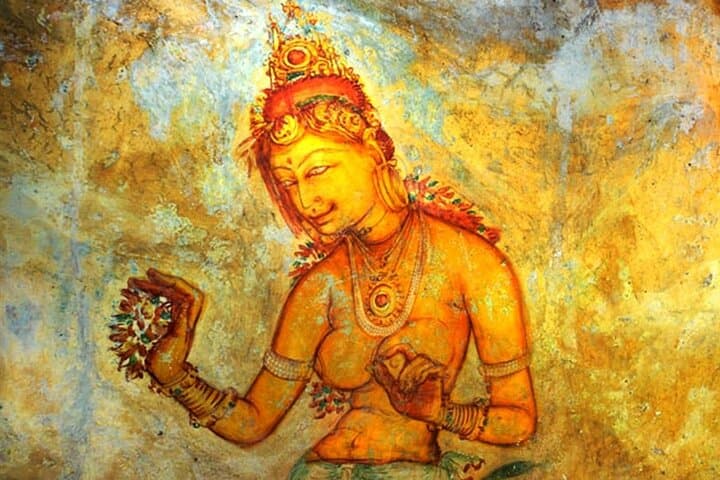
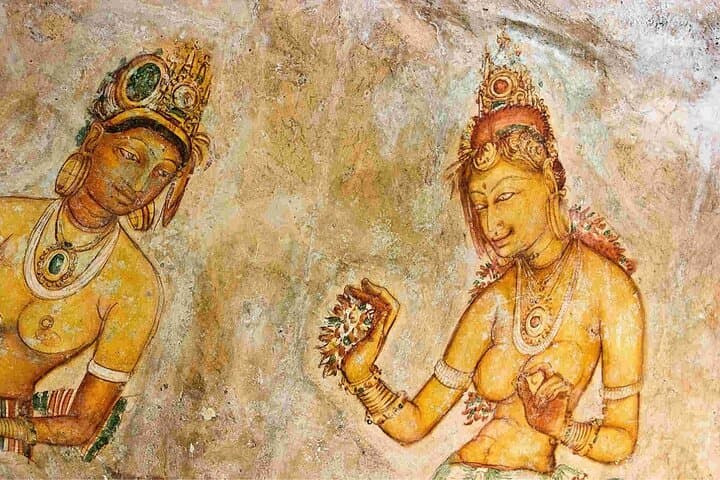
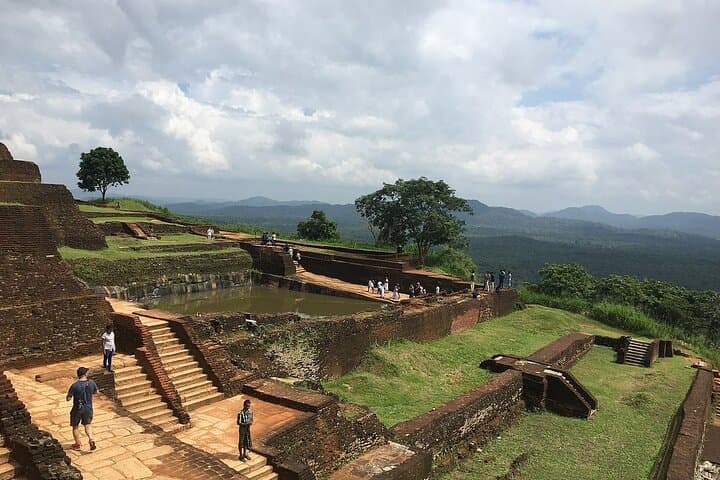
The ascent is part history lesson, part workout. A series of iron staircases, ancient carved steps and stone terraces lead past the famous mirror wall and the faint, jewel-toned frescoes, relics of a 5th-century ambition when King Kasyapa converted the rock into a fortified palace. The summit rewards effort with broad views of tanks, paddy fields and the silent ruins of gardens cut into bedrock — an engineered landscape that once balanced defense, aesthetics and status.
After the cultural half of the day, the tour switches gears to the wild: a 4x4 jeep into Minneriya (or Kaudulla/Hurulu, depending on animal movement). These seasonal wetlands act like a magnet for elephants during the dry months, and a well-timed safari can place you within sight of families crossing flat scrub, bulls testing tusks at the water’s edge and birds that use the elephants’ wake to flush insects.
Between the two main attractions, the itinerary threads in local crafts and industries — a wood-carving center where artisans coax shapes from teak, a gem house that explains Sri Lanka’s sapphire trade, and a spice garden demonstrating herbs behind Ayurvedic practice. Those stops contextualize the region: Sigiriya’s stone and the park’s wildlife are part of a human landscape shaped by irrigation, religion and trade.
Practicalities matter here. The full-day private tour runs 8–10 hours with hotel pickup in Trincomalee, bottled water, an air-conditioned vehicle and entry to the listed attractions included. Expect moderate physical effort for the Sigiriya climb — some sections are steep and exposed — and a patient approach on safari where the animals, not the schedule, set the pace.
Timing is everything: climb Sigiriya early to avoid heat and crowds; aim for late afternoon in the park when elephants gather. Bring sun protection, sturdy closed-toe shoes, and cash for small purchases at craft stops. Respect park rules — remain in the jeep, keep noise low and never approach or feed wildlife.
This day pairs archaeology with field biology, offering a compact cross-section of central Sri Lanka. It’s a practical, high-return itinerary for travelers based in east-coast Trincomalee who want a single-day immersion into the island’s built past and roaming present.
moderate.
8–10 hours.
Moderately fit — able to climb uneven stair sections and tolerate a full day of walking and sitting in a vehicle
Yes — hotel and port pickups around Trincomalee are included; confirm your pickup location and time when booking.
Yes — admissions for Sigiriya Rock Fortress, the Sigiriya Museum and the national park are included in the tour price as listed.
Sightings are common, especially during dry months when herds gather near water, but wildlife sightings cannot be guaranteed and depend on seasonal movement.
Infants can ride but must sit on laps; some parts of Sigiriya involve steep stairs, so judge suitability for young children accordingly.
Vehicle transfers are wheelchair accessible, but the Sigiriya summit and some museum areas require stairs and uneven surfaces that limit access.
Cancel at least 24 hours before departure for a full refund; later cancellations are non‑refundable per the standard policy.
Sigiriya was transformed into a royal citadel by King Kasyapa in the 5th century CE; its gardens and frescoes reflect innovative hydraulic and aesthetic planning of the period.
Minneriya and Kaudulla are managed to protect elephant corridors and wetland habitat; responsible safaris keep vehicles off sensitive areas and emphasize distance from wildlife.
Classical Lanka Tours operates guided outdoor trips and adventures with an emphasis on safety, stewardship, and memorable experiences.
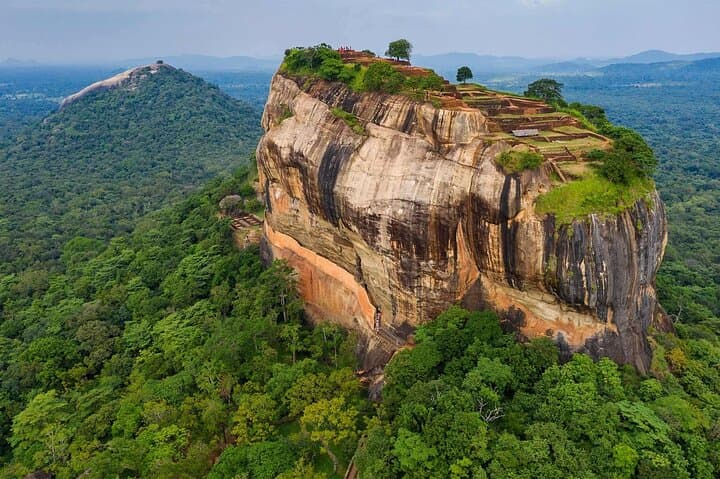
Morning light slants across the dry plains as the van slips away from Trincomalee toward the blunt, upright silhouette of Sigiriya. By the time the convoy reaches the entrance, the granite monolith rises like a deliberate error in the landscape — a 180-meter column that commands the horizon and dares climbers to gain its crown.
Morning light slants across the dry plains as the van slips away from Trincomalee toward the blunt, upright silhouette of Sigiriya. By the time the convoy reaches the entrance, the granite monolith rises like a deliberate error in the landscape — a 180-meter column that commands the horizon and dares climbers to gain its crown.
The ascent is part history lesson, part workout. A series of iron staircases, ancient carved steps and stone terraces lead past the famous mirror wall and the faint, jewel-toned frescoes, relics of a 5th-century ambition when King Kasyapa converted the rock into a fortified palace. The summit rewards effort with broad views of tanks, paddy fields and the silent ruins of gardens cut into bedrock — an engineered landscape that once balanced defense, aesthetics and status.
After the cultural half of the day, the tour switches gears to the wild: a 4x4 jeep into Minneriya (or Kaudulla/Hurulu, depending on animal movement). These seasonal wetlands act like a magnet for elephants during the dry months, and a well-timed safari can place you within sight of families crossing flat scrub, bulls testing tusks at the water’s edge and birds that use the elephants’ wake to flush insects.
Between the two main attractions, the itinerary threads in local crafts and industries — a wood-carving center where artisans coax shapes from teak, a gem house that explains Sri Lanka’s sapphire trade, and a spice garden demonstrating herbs behind Ayurvedic practice. Those stops contextualize the region: Sigiriya’s stone and the park’s wildlife are part of a human landscape shaped by irrigation, religion and trade.
Practicalities matter here. The full-day private tour runs 8–10 hours with hotel pickup in Trincomalee, bottled water, an air-conditioned vehicle and entry to the listed attractions included. Expect moderate physical effort for the Sigiriya climb — some sections are steep and exposed — and a patient approach on safari where the animals, not the schedule, set the pace.
Timing is everything: climb Sigiriya early to avoid heat and crowds; aim for late afternoon in the park when elephants gather. Bring sun protection, sturdy closed-toe shoes, and cash for small purchases at craft stops. Respect park rules — remain in the jeep, keep noise low and never approach or feed wildlife.
This day pairs archaeology with field biology, offering a compact cross-section of central Sri Lanka. It’s a practical, high-return itinerary for travelers based in east-coast Trincomalee who want a single-day immersion into the island’s built past and roaming present.