THE ADVENTURE COLLECTIVE® · Independent discovery and booking for outdoor travel

Climb the dramatic Lion Rock, wander Dambulla’s painted caverns and watch rural Sri Lanka roll by on a full-day tour from Negombo. This all-inclusive trip pairs two UNESCO sites with local insights—and practical guidance for making the most of a long, hot day.
Climb the dramatic Lion Rock, wander Dambulla’s painted caverns and watch rural Sri Lanka roll by on a full-day tour from Negombo. This all-inclusive trip pairs two UNESCO sites with local insights—and practical guidance for making the most of a long, hot day.
You arrive before the heat, the van cutting through rice paddies and small towns until a sheer lump of stone lifts out of the plain: Sigiriya. The rock rises—rough-faced and abrupt—above manicured water gardens, its vertical walls threaded with metal staircases that carry small groups of visitors into the air. Later, under the shade of the Dambulla cave overhangs, murals and gilded Buddhas hold the humidity like a low, warm breath.
Verified experiences and guided adventures in the surrounding area.
Operated by Island Pearl Tours Sri lanka · Sigiriya, Central Province
You arrive before the heat, the van cutting through rice paddies and small towns until a sheer lump of stone lifts out of the plain: Sigiriya. The rock rises—rough-faced and abrupt—above manicured water gardens, its vertical walls threaded with metal staircases that carry small groups of visitors into the air. Later, under the shade of the Dambulla cave overhangs, murals and gilded Buddhas hold the humidity like a low, warm breath.
Sigiriya and Dambulla are not just photo ops; they are chapters in Sri Lanka’s late-anthropic story. Sigiriya was engineered in the 5th century by King Kassapa as a fortified palace sitting roughly 200 meters above the surrounding plain. Its water gardens and mirror-like pools are early examples of landscape engineering. Dambulla, a complex of five cave temples carved into a 160-meter rock, preserves Buddhist iconography and murals painted over centuries from the 1st century BCE through the Kandyan period.
Geology explains the drama: both sites are part of an ancient plutonic outcrop—harder rock resisted erosion while softer ground washed away, leaving steep-sided monoliths. Culture is visible in the small details: lacquered wooden Buddhas, centuries-old plaster, and offerings laid by local pilgrims. Between the sites are villages that still farm by ox-cart and small temples where you’ll be asked to remove your shoes and cover your shoulders and knees.
Practical guide: this is a long, full day. Expect roughly 10–14 hours including about 2.5–3 hours of driving each way from Negombo, time at Sigiriya for about two hours, and roughly an hour at Dambulla. The Sigiriya ascent uses exposed stairs and metal walkways—count on 800–1,200 steps depending how far you climb—and can be steep in places. Wear shoes with good grip and bring at least 1–2 liters of water; bottled water and lunch are usually provided on inclusive tours.
Start early to beat the midday heat and the crowds; mornings give the clearest light for photos and cooler breathing on the climb. At Dambulla, photography is limited inside some shrines—observe signs and local etiquette. Respect the sites: no flash on frescoes, cover up in temple areas, and follow walkways.
If you have more time, linger at the Pidurangala viewpoint opposite Sigiriya for a quieter panorama or take a short village canoe trip near Hiriwadunna to see traditional life along the irrigation channels. Both add context to the monumental stone: where kings carved statements of power, the surrounding countryside quietly goes about its day.
moderate.
10–14 hours.
Moderate fitness—comfortable walking and climbing stairs for extended periods; not suitable for those with severe back issues or limited mobility.
Yes—this tour includes entry tickets to Sigiriya Rock Fortress and Dambulla Cave Temples.
Expect roughly 2.5–3 hours each way depending on traffic; total tour duration is about 10–14 hours.
Lunch and bottled water are included on the tour; check dietary needs with the operator in advance.
Not recommended for pregnant travelers or those with spinal issues due to steep stairs and uneven terrain at Sigiriya.
An English-speaking driver/guide is included; they handle logistics and provide historical context but you can explore at your own pace at each site.
Basic restrooms are available at visitor centers and at both sites but facilities can be rustic; carry hand sanitizer and small change for entrance amenities.
Sigiriya was transformed into a fortified palace by King Kassapa in the 5th century CE; Dambulla preserves Buddhist art and statues carved and painted over many centuries.
Both sites are UNESCO-protected; visitors should avoid touching frescoes, follow designated paths and use marked waste bins to limit impact.
Island Pearl Tours Sri lanka operates guided outdoor trips and adventures with an emphasis on safety, stewardship, and memorable experiences.
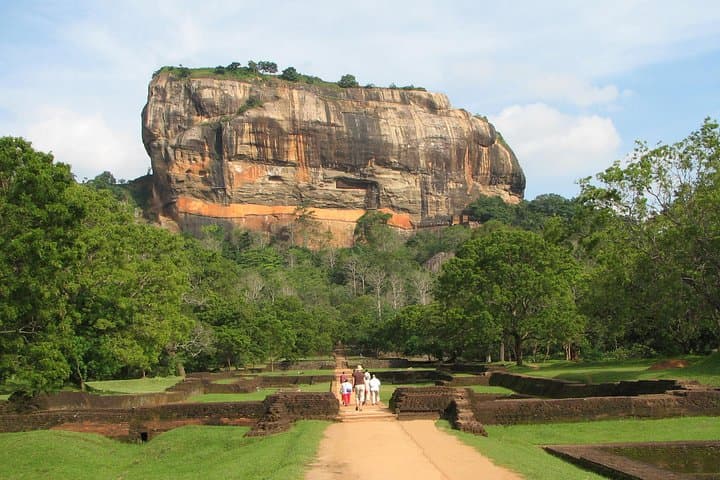
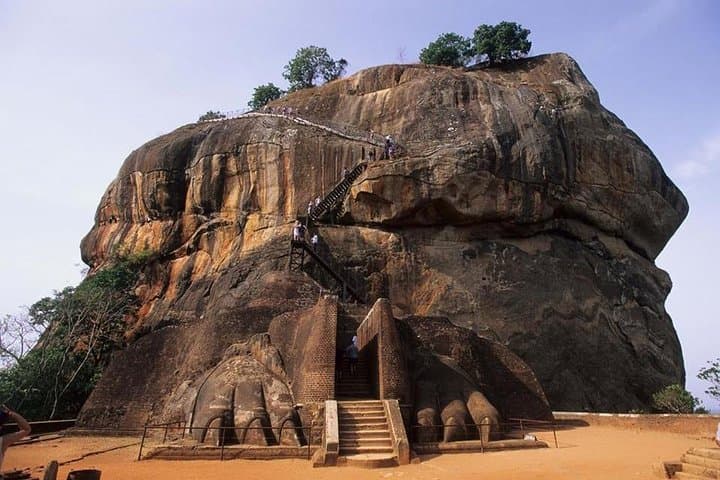

You arrive before the heat, the van cutting through rice paddies and small towns until a sheer lump of stone lifts out of the plain: Sigiriya. The rock rises—rough-faced and abrupt—above manicured water gardens, its vertical walls threaded with metal staircases that carry small groups of visitors into the air. Later, under the shade of the Dambulla cave overhangs, murals and gilded Buddhas hold the humidity like a low, warm breath.
You arrive before the heat, the van cutting through rice paddies and small towns until a sheer lump of stone lifts out of the plain: Sigiriya. The rock rises—rough-faced and abrupt—above manicured water gardens, its vertical walls threaded with metal staircases that carry small groups of visitors into the air. Later, under the shade of the Dambulla cave overhangs, murals and gilded Buddhas hold the humidity like a low, warm breath.
Sigiriya and Dambulla are not just photo ops; they are chapters in Sri Lanka’s late-anthropic story. Sigiriya was engineered in the 5th century by King Kassapa as a fortified palace sitting roughly 200 meters above the surrounding plain. Its water gardens and mirror-like pools are early examples of landscape engineering. Dambulla, a complex of five cave temples carved into a 160-meter rock, preserves Buddhist iconography and murals painted over centuries from the 1st century BCE through the Kandyan period.
Geology explains the drama: both sites are part of an ancient plutonic outcrop—harder rock resisted erosion while softer ground washed away, leaving steep-sided monoliths. Culture is visible in the small details: lacquered wooden Buddhas, centuries-old plaster, and offerings laid by local pilgrims. Between the sites are villages that still farm by ox-cart and small temples where you’ll be asked to remove your shoes and cover your shoulders and knees.
Practical guide: this is a long, full day. Expect roughly 10–14 hours including about 2.5–3 hours of driving each way from Negombo, time at Sigiriya for about two hours, and roughly an hour at Dambulla. The Sigiriya ascent uses exposed stairs and metal walkways—count on 800–1,200 steps depending how far you climb—and can be steep in places. Wear shoes with good grip and bring at least 1–2 liters of water; bottled water and lunch are usually provided on inclusive tours.
Start early to beat the midday heat and the crowds; mornings give the clearest light for photos and cooler breathing on the climb. At Dambulla, photography is limited inside some shrines—observe signs and local etiquette. Respect the sites: no flash on frescoes, cover up in temple areas, and follow walkways.
If you have more time, linger at the Pidurangala viewpoint opposite Sigiriya for a quieter panorama or take a short village canoe trip near Hiriwadunna to see traditional life along the irrigation channels. Both add context to the monumental stone: where kings carved statements of power, the surrounding countryside quietly goes about its day.