THE ADVENTURE COLLECTIVE® · Independent discovery and booking for outdoor travel

Climb a 200-metre fortress, inspect ancient frescoes, then switch gears to a 4x4 jeep hunt for elephants at Minneriya. This private day tour from Colombo blends architecture, craft stops and wildlife viewing into a long but richly varied Sri Lankan day trip.
Climb a 200-metre fortress, inspect ancient frescoes, then switch gears to a 4x4 jeep hunt for elephants at Minneriya. This private day tour from Colombo blends architecture, craft stops and wildlife viewing into a long but richly varied Sri Lankan day trip.
You step out of an air-conditioned vehicle onto sun-baked red earth, and Sigiriya—an abrupt, dusty column of granite—fills the skyline like a city in miniature. The guide hands you a bottle of water, points toward the stairway snaking up sheer rock faces, and the day snaps into focus: history at your feet, wilderness waiting in the lowlands.
Verified experiences and guided adventures in the surrounding area.
Operated by Classical Lanka Tours · Sigiriya, Central Province
You step out of an air-conditioned vehicle onto sun-baked red earth, and Sigiriya—an abrupt, dusty column of granite—fills the skyline like a city in miniature. The guide hands you a bottle of water, points toward the stairway snaking up sheer rock faces, and the day snaps into focus: history at your feet, wilderness waiting in the lowlands.
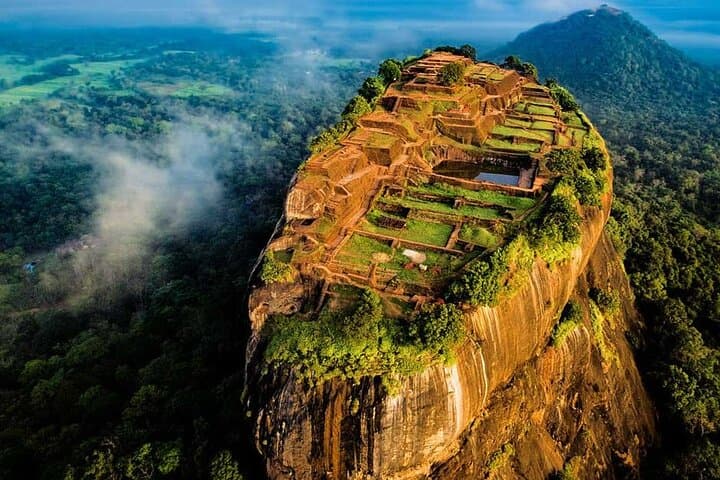
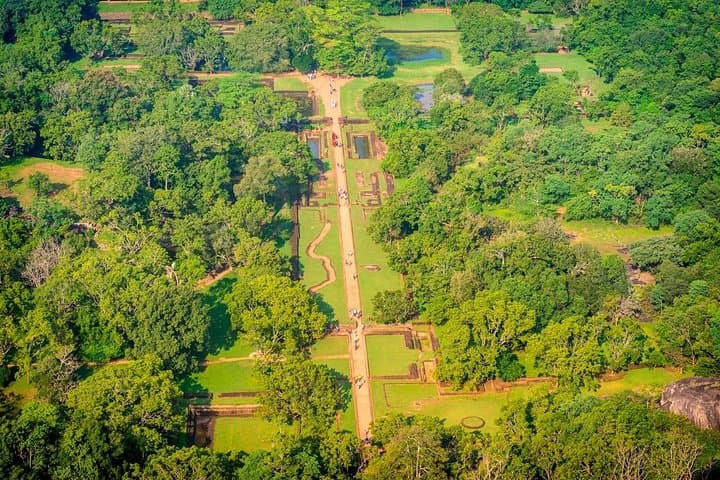
Sigiriya isn’t just a climb; it’s an argument between human ambition and the geology of central Sri Lanka. The fortress rises roughly 200 metres from the plain; ancient engineers hewed terraces, moats and gardens into the plateau that crowns it. Frescoes halfway up the face—remarkably preserved pigments behind protective grillwork—offer a human scale to a site that once served as a royal citadel and later a monastery. Nearby, the Sigiriya Museum collates artifacts and maps the site’s construction in a compact, useful preface to the ascent.
The second act moves from stone to savanna. After the climb and a lunch stop, the tour shifts into a 4x4 jeep and slips into Minneriya or Kaudulla National Park, depending on where the elephants are congregating. The parks are ringed by tanks—manmade reservoirs that have dictated human settlement and animal movement for centuries. During the dry months, herds gather where water concentrates; trunks probe the shallows, calves huddle, and the scrubland seems staged around the animals.
Culturally, the route threads small artisan stops—woodcarvers in Habarana, a gem shop where sapphires flash under bright lamps, and a spice garden where vendors explain ayurvedic uses. These interludes underline the tour’s mix: heritage, geology and living craft.
Practicalities anchor the plan. The full experience is long—expect 10–15 hours including round-trip transfer from Colombo (roughly 3–4 hours each way in normal traffic). The Sigiriya climb involves uneven metal steps and platforms—plan to gain about 200 metres of elevation over roughly 1,000–1,200 steps. Wear sturdy shoes with good grip, bring sunscreen and mosquito repellent, and carry a reusable water bottle (bottled water is provided on the tour). Timings matter: mornings and late afternoons are best for photography and for cooler climbing; late afternoons are prime for elephant viewing as animals converge on water.
Wildlife viewing is observational—jeep trackers place vehicles at respectful distances and sightings depend on seasonal movement. The tour is private and inclusive of entry fees to the fortress and park, but small vendors accept cash. If you want fewer crowds on the rock, request an earlier pickup from Colombo or consider staying overnight in Dambulla or Habarana the night before.
By day’s end the rock recedes behind you, elephants recede into the scrub, and Sri Lanka’s dual claims—to towering human ambition and to the slow rhythms of wildlife—feel held in the same frame.
moderate.
10–15 hours.
Moderate fitness: able to climb steep, uneven steps and sit in a jeep for hours.
Expect about 3–4 hours each way depending on traffic; the tour’s full length (including park time) is 10–15 hours.
Yes—admissions to Sigiriya Rock Fortress, the Sigiriya Museum and the chosen national park are included in this tour.
The climb is steep and involves metal staircases; children and older adults should assess mobility and may prefer to skip parts of the ascent.
Guides choose Minneriya, Kaudulla or Hurulu based on current wildlife movement to maximize elephant sightings.
Common sights include Asian elephants, water buffalo, monitor lizards, and a variety of waterbirds and raptors.
Yes—this is a private tour and can be tailored for pickup location and specific interests; note any requirements at booking.
Sigiriya was used as a fortress and royal palace in the 5th century CE, later serving as a Buddhist monastery; its water gardens reflect sophisticated ancient hydraulic engineering.
Minneriya and Kaudulla are protected to conserve seasonal elephant gatherings; visitors should avoid noise and keep distance to minimize stress on wildlife.
Classical Lanka Tours operates guided outdoor trips and adventures with an emphasis on safety, stewardship, and memorable experiences.
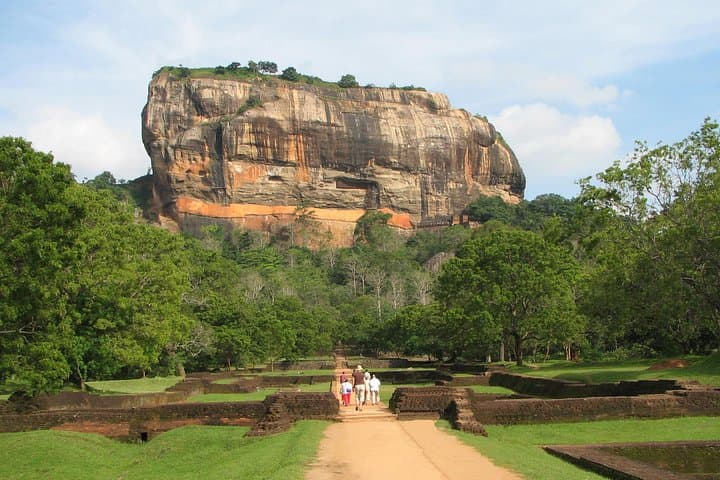
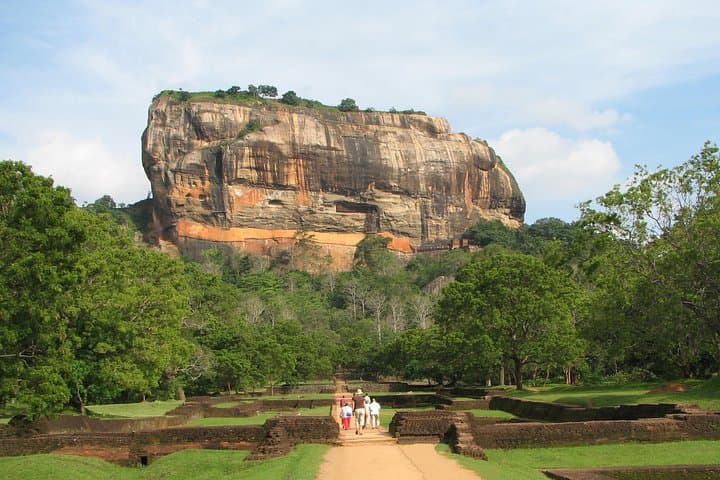
You step out of an air-conditioned vehicle onto sun-baked red earth, and Sigiriya—an abrupt, dusty column of granite—fills the skyline like a city in miniature. The guide hands you a bottle of water, points toward the stairway snaking up sheer rock faces, and the day snaps into focus: history at your feet, wilderness waiting in the lowlands.
You step out of an air-conditioned vehicle onto sun-baked red earth, and Sigiriya—an abrupt, dusty column of granite—fills the skyline like a city in miniature. The guide hands you a bottle of water, points toward the stairway snaking up sheer rock faces, and the day snaps into focus: history at your feet, wilderness waiting in the lowlands.
Sigiriya isn’t just a climb; it’s an argument between human ambition and the geology of central Sri Lanka. The fortress rises roughly 200 metres from the plain; ancient engineers hewed terraces, moats and gardens into the plateau that crowns it. Frescoes halfway up the face—remarkably preserved pigments behind protective grillwork—offer a human scale to a site that once served as a royal citadel and later a monastery. Nearby, the Sigiriya Museum collates artifacts and maps the site’s construction in a compact, useful preface to the ascent.
The second act moves from stone to savanna. After the climb and a lunch stop, the tour shifts into a 4x4 jeep and slips into Minneriya or Kaudulla National Park, depending on where the elephants are congregating. The parks are ringed by tanks—manmade reservoirs that have dictated human settlement and animal movement for centuries. During the dry months, herds gather where water concentrates; trunks probe the shallows, calves huddle, and the scrubland seems staged around the animals.
Culturally, the route threads small artisan stops—woodcarvers in Habarana, a gem shop where sapphires flash under bright lamps, and a spice garden where vendors explain ayurvedic uses. These interludes underline the tour’s mix: heritage, geology and living craft.
Practicalities anchor the plan. The full experience is long—expect 10–15 hours including round-trip transfer from Colombo (roughly 3–4 hours each way in normal traffic). The Sigiriya climb involves uneven metal steps and platforms—plan to gain about 200 metres of elevation over roughly 1,000–1,200 steps. Wear sturdy shoes with good grip, bring sunscreen and mosquito repellent, and carry a reusable water bottle (bottled water is provided on the tour). Timings matter: mornings and late afternoons are best for photography and for cooler climbing; late afternoons are prime for elephant viewing as animals converge on water.
Wildlife viewing is observational—jeep trackers place vehicles at respectful distances and sightings depend on seasonal movement. The tour is private and inclusive of entry fees to the fortress and park, but small vendors accept cash. If you want fewer crowds on the rock, request an earlier pickup from Colombo or consider staying overnight in Dambulla or Habarana the night before.
By day’s end the rock recedes behind you, elephants recede into the scrub, and Sri Lanka’s dual claims—to towering human ambition and to the slow rhythms of wildlife—feel held in the same frame.