THE ADVENTURE COLLECTIVE® · Independent discovery and booking for outdoor travel

A full‑day private tour from Kandy that pairs the vertiginous climb up Sigiriya’s Lion Rock with the painted sanctuaries of Dambulla and a wildlife outing to Minneriya National Park. Perfect for travelers who want history, culture, and a chance to watch elephants in the wild in one long day.
A full‑day private tour from Kandy that pairs the vertiginous climb up Sigiriya’s Lion Rock with the painted sanctuaries of Dambulla and a wildlife outing to Minneriya National Park. Perfect for travelers who want history, culture, and a chance to watch elephants in the wild in one long day.
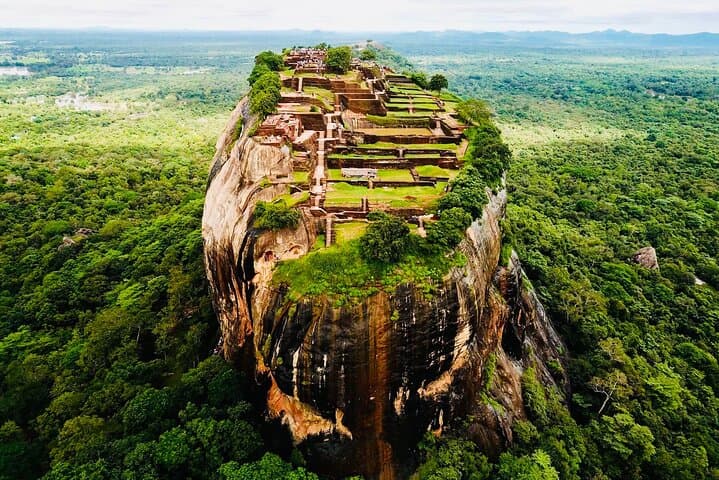
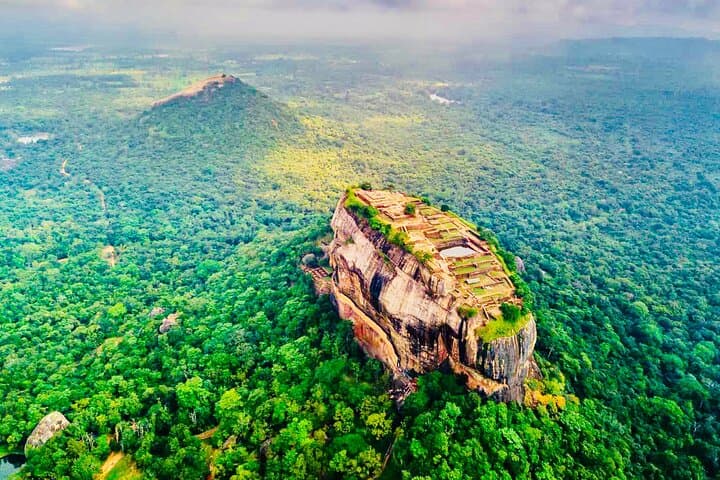
You climb into a low, air-conditioned van before dawn in Kandy, the city’s lights rolling past as the driver eases onto the A9. By the time the road narrows and paddy fields spread like sheets of green, the bulk of Sigiriya’s lion‑rock has already appeared on the horizon — a vertical island of granite rising nearly 180 meters from the plain.
Verified experiences and guided adventures in the surrounding area.
Operated by Sigiritrip Tours · Dambulla, Central Province
You climb into a low, air-conditioned van before dawn in Kandy, the city’s lights rolling past as the driver eases onto the A9. By the time the road narrows and paddy fields spread like sheets of green, the bulk of Sigiriya’s lion‑rock has already appeared on the horizon — a vertical island of granite rising nearly 180 meters from the plain.
The ascent begins with engineered steps that thread through water gardens and plastered walls of frescoes. A professional guide meets you at the base and unpacks the story: Sigiriya was a palace‑fortress built in the fifth century by King Kasyapa, an audacious blend of monarchy, military defense, and landscape engineering. The climb is concrete, iron, and ancient stone — parts of the route feel modern, others feel older than memory. At the summit the view throws the central plains open; reservoirs and forest patches are visible like the veins of an old map.
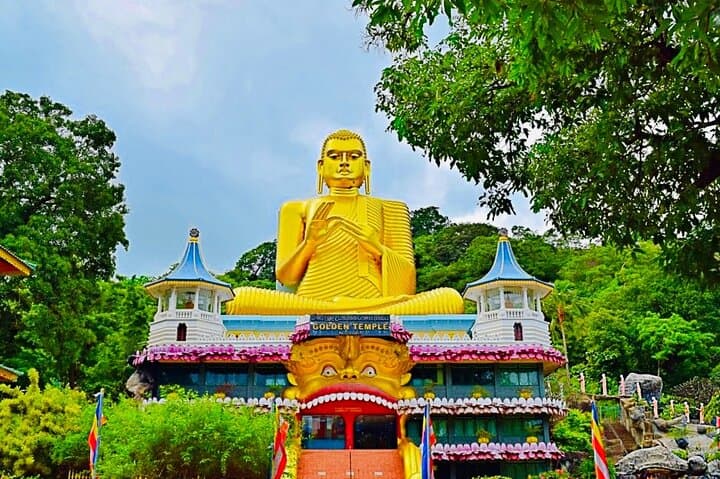
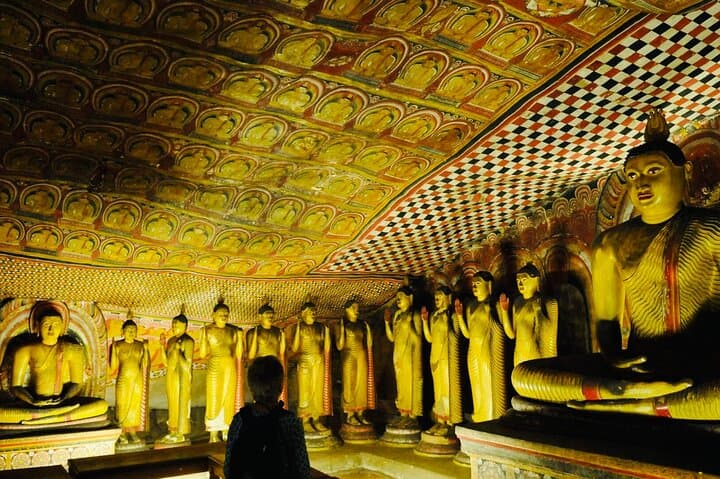
Later you follow a different line of time into the Dambulla cave temple, where painted ceilings and 157 statues chart two millennia of Buddhist devotion. The caves are carved into a basalt ridge, their pigments softened by centuries but still vivid enough to show the evolving styles of Sri Lankan religious art.
The day pivots again, this time toward the sound of elephants. Minneriya National Park sits where seasonal waters recede, turning grasses into a wildlife magnet. Between June and September the park hosts the famed “gathering,” when hundreds of Sri Lankan elephants concentrate around the reservoir and riverbeds — a chance to see herd behavior in broad daylight.
Practical guidance: expect a long day — roughly 8 to 12 hours including travel. Start early from Kandy to beat the heat and to get optimal light for photos. Wear sturdy, closed shoes for Sigiriya’s uneven steps and bring insect repellent for the spice garden and national park edges. The tour includes entry fees for Sigiriya and Dambulla, bottled water, and an English-speaking guide; tip drivers and guides if service is good. If you have mobility concerns, note that Sigiriya’s summit involves several steep sections and metal staircases; Dambulla has steps into the caves.
Cultural etiquette matters: remove shoes and hats in temple areas, keep voices low around monks and worshippers, and don’t touch statues or frescoes. For wildlife watching, stay quiet, use zoom lenses rather than approaching animals, and obey park rules — the elephants set the pace here.
This private day trip folds history, geology, temple art, spice scents, and wild elephants into a single, sustainable‑minded itinerary that rewards early starts and thoughtful pacing.
moderate.
8–12 hours.
Moderate stamina needed for the day’s walking and the steep, exposed climb to Sigiriya’s summit.
The tour runs about 8–12 hours depending on traffic and where pickup is in Kandy; an early morning pickup (around 7:00 AM) is recommended.
Yes — entry fees for Sigiriya Rock, Dambulla Cave Temple, and the Matale temple are included in the tour price.
Children in good health can usually make the climb, but the route includes steep sections and metal staircases; it is not suitable for people with serious mobility issues.
The dry season and the months of June through September see the largest gatherings, when elephants concentrate around the receding reservoir.
Bottled water is provided; lunch (Sri Lankan or western) at a standard restaurant near Sigiriya is included as part of the itinerary.
The supplier lists transportation and some tour elements as wheelchair accessible, but Sigiriya summit and Dambulla cave interiors have stairs and uneven terrain that limit access.
Sigiriya was transformed into a fortified palace in the 5th century under King Kasyapa; Dambulla’s cave temple complex contains murals and statues spanning centuries of Sri Lankan Buddhist practice.
Minneriya and surrounding reserves depend on responsible tourism—stay in vehicles during wildlife viewing, avoid feeding animals, and support local guides who follow park rules.
Sigiritrip Tours operates guided outdoor trips and adventures with an emphasis on safety, stewardship, and memorable experiences.
You climb into a low, air-conditioned van before dawn in Kandy, the city’s lights rolling past as the driver eases onto the A9. By the time the road narrows and paddy fields spread like sheets of green, the bulk of Sigiriya’s lion‑rock has already appeared on the horizon — a vertical island of granite rising nearly 180 meters from the plain.
You climb into a low, air-conditioned van before dawn in Kandy, the city’s lights rolling past as the driver eases onto the A9. By the time the road narrows and paddy fields spread like sheets of green, the bulk of Sigiriya’s lion‑rock has already appeared on the horizon — a vertical island of granite rising nearly 180 meters from the plain.
The ascent begins with engineered steps that thread through water gardens and plastered walls of frescoes. A professional guide meets you at the base and unpacks the story: Sigiriya was a palace‑fortress built in the fifth century by King Kasyapa, an audacious blend of monarchy, military defense, and landscape engineering. The climb is concrete, iron, and ancient stone — parts of the route feel modern, others feel older than memory. At the summit the view throws the central plains open; reservoirs and forest patches are visible like the veins of an old map.
Later you follow a different line of time into the Dambulla cave temple, where painted ceilings and 157 statues chart two millennia of Buddhist devotion. The caves are carved into a basalt ridge, their pigments softened by centuries but still vivid enough to show the evolving styles of Sri Lankan religious art.
The day pivots again, this time toward the sound of elephants. Minneriya National Park sits where seasonal waters recede, turning grasses into a wildlife magnet. Between June and September the park hosts the famed “gathering,” when hundreds of Sri Lankan elephants concentrate around the reservoir and riverbeds — a chance to see herd behavior in broad daylight.
Practical guidance: expect a long day — roughly 8 to 12 hours including travel. Start early from Kandy to beat the heat and to get optimal light for photos. Wear sturdy, closed shoes for Sigiriya’s uneven steps and bring insect repellent for the spice garden and national park edges. The tour includes entry fees for Sigiriya and Dambulla, bottled water, and an English-speaking guide; tip drivers and guides if service is good. If you have mobility concerns, note that Sigiriya’s summit involves several steep sections and metal staircases; Dambulla has steps into the caves.
Cultural etiquette matters: remove shoes and hats in temple areas, keep voices low around monks and worshippers, and don’t touch statues or frescoes. For wildlife watching, stay quiet, use zoom lenses rather than approaching animals, and obey park rules — the elephants set the pace here.
This private day trip folds history, geology, temple art, spice scents, and wild elephants into a single, sustainable‑minded itinerary that rewards early starts and thoughtful pacing.