THE ADVENTURE COLLECTIVE® · Independent discovery and booking for outdoor travel

Scale the ancient Lion Rock at Sigiriya, wander Dambulla’s cave temples, then swap frescoes for elephants on a Minneriya jeep safari. This full-day trip from Colombo packs Sri Lanka’s cultural and natural highlights into one long, unforgettable day.
Scale the ancient Lion Rock at Sigiriya, wander Dambulla’s cave temples, then swap frescoes for elephants on a Minneriya jeep safari. This full-day trip from Colombo packs Sri Lanka’s cultural and natural highlights into one long, unforgettable day.
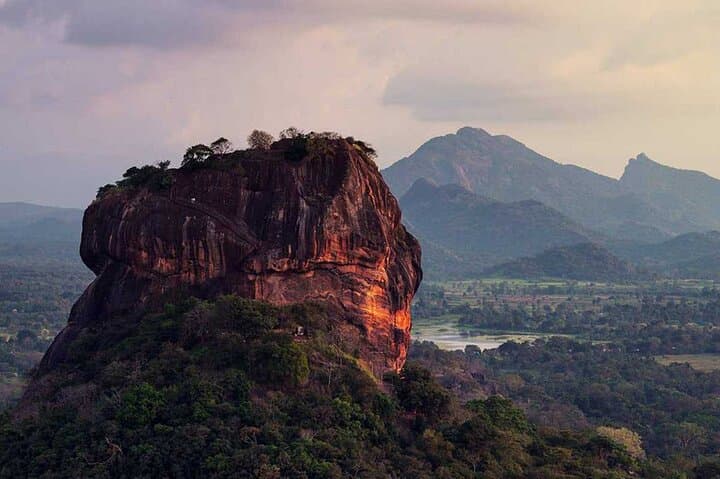
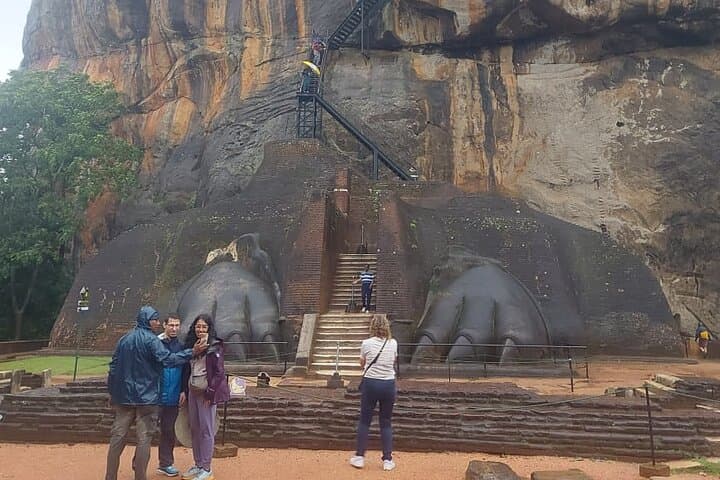
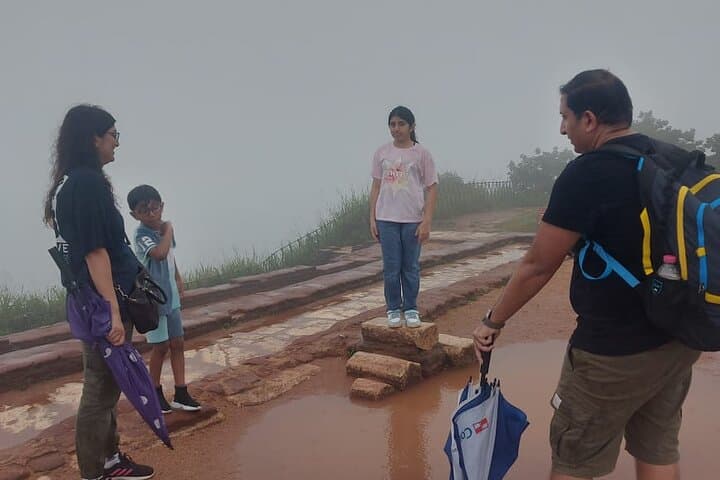
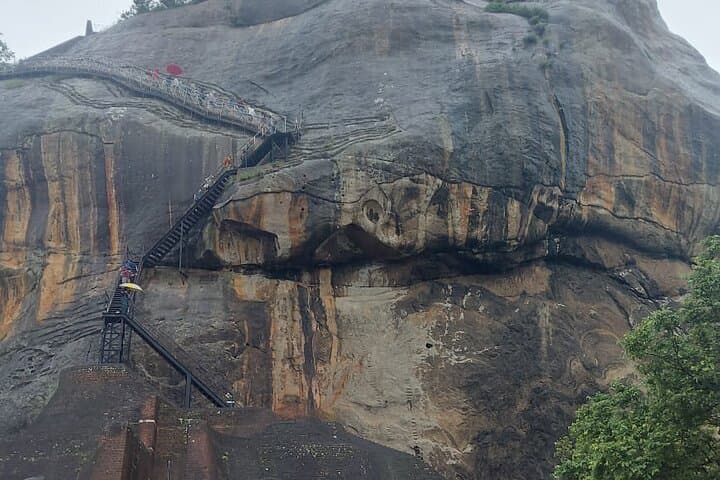
You arrive before dawn at the foot of the rock as a humid breeze hums through the paddy fields. The road from Colombo unwinds past small towns and tea estates, and by mid-morning you stand under the broad shadow of Sigiriya—a vertical island of rock rising from the plain, its sheer walls scored by staircases and the ghost outlines of frescoes. The climb is physical and precise; the jungle seems to watch as you pick your way past ancient masonry toward the summit’s jagged rim.
Verified experiences and guided adventures in the surrounding area.
Operated by The Eden Tours · Sigiriya, Central Province
You arrive before dawn at the foot of the rock as a humid breeze hums through the paddy fields. The road from Colombo unwinds past small towns and tea estates, and by mid-morning you stand under the broad shadow of Sigiriya—a vertical island of rock rising from the plain, its sheer walls scored by staircases and the ghost outlines of frescoes. The climb is physical and precise; the jungle seems to watch as you pick your way past ancient masonry toward the summit’s jagged rim.
Sigiriya and Dambulla sit in Sri Lanka’s cultural heartland. Sigiriya was transformed into a fortified royal citadel in the late 5th century by King Kashyapa, who carved terraces, water gardens and a sky palace into the rock. Dambulla’s cave-temple complex, a short drive away, preserves centuries of Buddhist worship: painted ceilings, reclining Buddhas, and gilded statuary that accumulate damp and incense and the slow polish of hands.
Geologically, Sigiriya is an erosional remnant—a hardened core protruding from softer volcanic bedrock. The contrast between the black, weathered rock and the green rice paddies below creates the dramatic vistas that made it strategically important in ancient times.
Culturally, this circuit covers different registers: monastery calm at Dambulla, imperial ambition at Sigiriya, and wildlife spectacle in Minneriya National Park. The afternoon jeep safari through Minneriya offers a change of pace—open plains where herds of Asian elephants congregate, cowed by the late sun and the scent of seasonal grasses.
Practical guidance: the full day runs long—expect 10–12 hours when factoring road time. Admissions to Sigiriya and Dambulla are paid at the sites; carry local currency. The Sigiriya climb includes metal staircases and narrow ledges; if you have vertigo or knee issues, consider enjoying the gardens and museum instead. At Dambulla, modest dress is required inside the caves: shoulders and knees should be covered. Wildlife viewing is best late afternoon when elephants move toward water; keep distance, follow your guide’s instructions, and avoid leaving plastics behind.
Timing matters—start early to beat both heat and crowds at Sigiriya, and leave energy for the safari. Bring sun protection, comfortable hiking shoes with good grip, and a light rain layer during the monsoon months. Between the rock’s archaeology, the painted caves’ ritual atmosphere and a jeep engine suddenly stopping for a family of elephants, the trip stitches cultural and natural Sri Lanka into a single, compelling day.
moderate.
10–12 hours.
Moderate fitness recommended—able to climb several hundred stairs and tolerate long periods in a vehicle.
No—admissions are paid at each site. Carry Sri Lankan rupees; major cards are not always accepted at the ticket counters.
Expect about 3–4 hours each way depending on traffic; the full program is a long day (roughly 10–12 hours including drives and stops).
Yes—visitors may explore the lower gardens and museum if the climb isn’t suitable. The driver-guide can adjust the itinerary.
No wildlife sightings are guaranteed, but Minneriya has a high likelihood of elephant herds, especially in the late dry season when animals gather at water sources.
The tour is family-friendly, but the Sigiriya ascent involves many stairs and narrow sections; assess mobility before deciding to climb.
Driver-guides typically speak English; some may also speak Sinhala or Tamil. Confirm language needs at booking.
Sigiriya was converted into a fortified palace by King Kashyapa in the 5th century CE; its water gardens and frescoes reflect sophisticated urban planning of the period.
Minneriya and surrounding reserves face pressure from agriculture and tourism—follow park rules, avoid plastic waste, and use licensed guides to minimize disturbance.
The Eden Tours operates guided outdoor trips and adventures with an emphasis on safety, stewardship, and memorable experiences.
You arrive before dawn at the foot of the rock as a humid breeze hums through the paddy fields. The road from Colombo unwinds past small towns and tea estates, and by mid-morning you stand under the broad shadow of Sigiriya—a vertical island of rock rising from the plain, its sheer walls scored by staircases and the ghost outlines of frescoes. The climb is physical and precise; the jungle seems to watch as you pick your way past ancient masonry toward the summit’s jagged rim.
You arrive before dawn at the foot of the rock as a humid breeze hums through the paddy fields. The road from Colombo unwinds past small towns and tea estates, and by mid-morning you stand under the broad shadow of Sigiriya—a vertical island of rock rising from the plain, its sheer walls scored by staircases and the ghost outlines of frescoes. The climb is physical and precise; the jungle seems to watch as you pick your way past ancient masonry toward the summit’s jagged rim.
Sigiriya and Dambulla sit in Sri Lanka’s cultural heartland. Sigiriya was transformed into a fortified royal citadel in the late 5th century by King Kashyapa, who carved terraces, water gardens and a sky palace into the rock. Dambulla’s cave-temple complex, a short drive away, preserves centuries of Buddhist worship: painted ceilings, reclining Buddhas, and gilded statuary that accumulate damp and incense and the slow polish of hands.
Geologically, Sigiriya is an erosional remnant—a hardened core protruding from softer volcanic bedrock. The contrast between the black, weathered rock and the green rice paddies below creates the dramatic vistas that made it strategically important in ancient times.
Culturally, this circuit covers different registers: monastery calm at Dambulla, imperial ambition at Sigiriya, and wildlife spectacle in Minneriya National Park. The afternoon jeep safari through Minneriya offers a change of pace—open plains where herds of Asian elephants congregate, cowed by the late sun and the scent of seasonal grasses.
Practical guidance: the full day runs long—expect 10–12 hours when factoring road time. Admissions to Sigiriya and Dambulla are paid at the sites; carry local currency. The Sigiriya climb includes metal staircases and narrow ledges; if you have vertigo or knee issues, consider enjoying the gardens and museum instead. At Dambulla, modest dress is required inside the caves: shoulders and knees should be covered. Wildlife viewing is best late afternoon when elephants move toward water; keep distance, follow your guide’s instructions, and avoid leaving plastics behind.
Timing matters—start early to beat both heat and crowds at Sigiriya, and leave energy for the safari. Bring sun protection, comfortable hiking shoes with good grip, and a light rain layer during the monsoon months. Between the rock’s archaeology, the painted caves’ ritual atmosphere and a jeep engine suddenly stopping for a family of elephants, the trip stitches cultural and natural Sri Lanka into a single, compelling day.