THE ADVENTURE COLLECTIVE® · Independent discovery and booking for outdoor travel

Climb the ancient Sigiriya rock fortress, explore the painted caves of Dambulla and float the canals of Hiriwadunna on a full‑day private tour that pairs history with hands‑on village life. Expect steep stairs, frescoes, a cooking class and a local lunch.
Climb the ancient Sigiriya rock fortress, explore the painted caves of Dambulla and float the canals of Hiriwadunna on a full‑day private tour that pairs history with hands‑on village life. Expect steep stairs, frescoes, a cooking class and a local lunch.
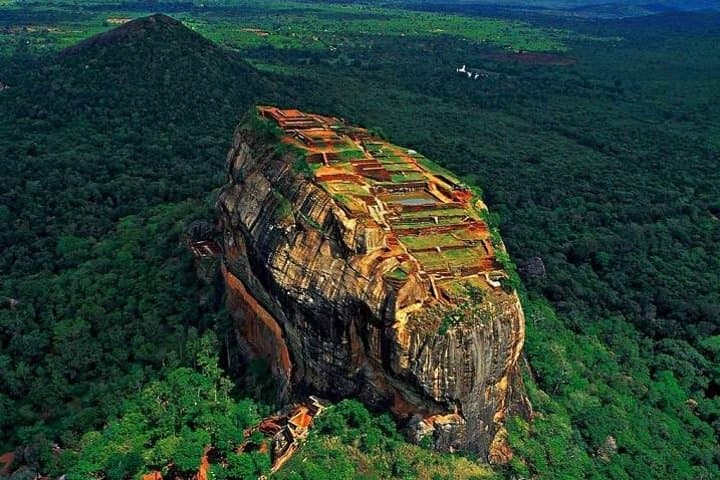
You step out of the air‑conditioned vehicle into a sun-baked plain where a sheer slab of stone rises like a deliberate fault in the horizon. Sigiriya’s rock looms ahead—rough, warm, and uncompromising—its vertical faces spoiling no secrets about the climb to come. The day moves in chapters: a village boat cutting a glassy canal where king coconuts wait; frescoed cave sanctuaries carved into a low hill; then the ascent up iron stairways and mirror walls to the rock’s summit, where the plateau opens and the country spreads into fields and paddy like stitched green.
Verified experiences and guided adventures in the surrounding area.
Operated by Train Journeys in Sri Lanka · Sigiriya, Central Province
You step out of the air‑conditioned vehicle into a sun-baked plain where a sheer slab of stone rises like a deliberate fault in the horizon. Sigiriya’s rock looms ahead—rough, warm, and uncompromising—its vertical faces spoiling no secrets about the climb to come. The day moves in chapters: a village boat cutting a glassy canal where king coconuts wait; frescoed cave sanctuaries carved into a low hill; then the ascent up iron stairways and mirror walls to the rock’s summit, where the plateau opens and the country spreads into fields and paddy like stitched green.
The route threads through Sri Lanka’s Cultural Triangle, territory shaped by kings and monsoon seasons. Sigiriya was transformed into an urban palace by King Kashyapa in the 5th century CE; he crowned a volcanic plug with terraces, gardens and fountains that still map the hydraulics of an ancient court. Dambulla’s cave temple is older in devotional terms—Buddhist murals and statues that date back to the 1st century BCE sit under a low rock ceiling, pigments dimmed and protected by centuries of incense smoke and care. Between them, Hiriwadunna Village offers a living counterpoint: rice paddies, bullock-drawn carts, and a short, serene boat ride that puts the water and local life at the center.
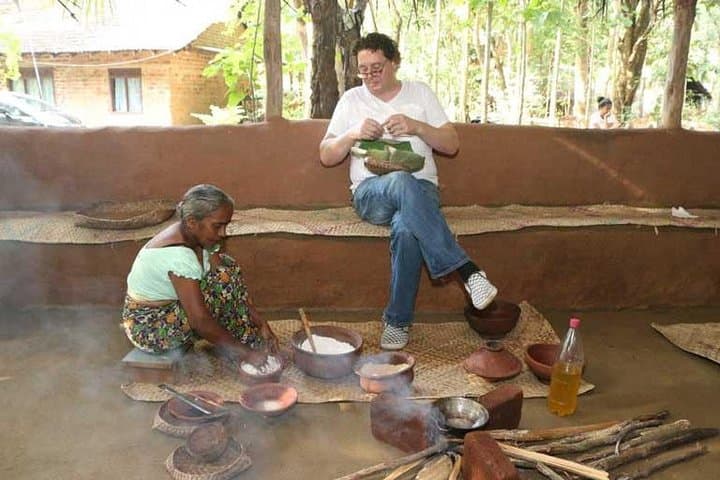
The tour is pragmatic: hotel pickup in Habarana or Sigiriya, bottled water, a local lunch, a hands‑on cooking class where you learn to coax coconut and spice into a curry, a 7–8 hour rhythm that balances walking and rest. The Sigiriya climb gains roughly 180–200 meters of elevation; be ready for steep steps—some narrow and exposed—plus metal staircases near the summit. Dambulla’s caves require removing shoes and soft voices; the frescoed galleries and the sleeping Buddha demand respectful distance.
Practical edge: start early to avoid the midday heat and the biggest crowds. Hydrate between stages—there are shaded stops but Sri Lanka’s sun pushes through quickly. Wear shoes with grip for the climb and a light rain layer in the monsoon months; the mirror wall and stairs get slick. Local guides explain the iconography and point out restored frescoes and archaeological features you’d miss alone, and the included cooking class connects flavors to fieldwork—this is how village life tastes.
By day’s end you’ll have climbed a king’s fortress, bowed in painted caves, sampled freshwater canals and shared a meal you helped prepare. The route asks for steady feet and curiosity; it rewards you with landscape, history and a close look at rural Sri Lanka’s pace of life.
moderate.
7–8 hours.
Moderate fitness: you should be comfortable with sustained stair climbing and several hours on your feet.
The full-day private tour runs about 7–8 hours, typically 420–480 minutes including transport, visits, and lunch.
It’s moderately strenuous—expect roughly 180–200 meters of elevation gain with many steep steps and some exposed metal stairways.
This tour lists entrance tickets to the mentioned sites as included in the package.
The operator notes the tour is suitable for all fitness levels, but the Sigiriya climb may be challenging for very young children or those with mobility issues.
Dress modestly: cover shoulders and knees; shoes must be removed before entering the caves.
Yes—hotel pickup and drop-off from Sigiriya, Dambulla and Habarana are included; confirm exact pickup details via the supplier’s WhatsApp contact.
Sigiriya was fortified and converted into a palace by King Kashyapa in the 5th century CE; Dambulla’s cave temple complex contains painted murals and Buddha statues that trace back to the 1st century BCE.
Both Sigiriya and Dambulla are UNESCO‑listed; visitors are asked to respect sites, avoid littering and stay on designated paths to protect fragile murals and archaeological layers.
Train Journeys in Sri Lanka operates guided outdoor trips and adventures with an emphasis on safety, stewardship, and memorable experiences.
You step out of the air‑conditioned vehicle into a sun-baked plain where a sheer slab of stone rises like a deliberate fault in the horizon. Sigiriya’s rock looms ahead—rough, warm, and uncompromising—its vertical faces spoiling no secrets about the climb to come. The day moves in chapters: a village boat cutting a glassy canal where king coconuts wait; frescoed cave sanctuaries carved into a low hill; then the ascent up iron stairways and mirror walls to the rock’s summit, where the plateau opens and the country spreads into fields and paddy like stitched green.
You step out of the air‑conditioned vehicle into a sun-baked plain where a sheer slab of stone rises like a deliberate fault in the horizon. Sigiriya’s rock looms ahead—rough, warm, and uncompromising—its vertical faces spoiling no secrets about the climb to come. The day moves in chapters: a village boat cutting a glassy canal where king coconuts wait; frescoed cave sanctuaries carved into a low hill; then the ascent up iron stairways and mirror walls to the rock’s summit, where the plateau opens and the country spreads into fields and paddy like stitched green.
The route threads through Sri Lanka’s Cultural Triangle, territory shaped by kings and monsoon seasons. Sigiriya was transformed into an urban palace by King Kashyapa in the 5th century CE; he crowned a volcanic plug with terraces, gardens and fountains that still map the hydraulics of an ancient court. Dambulla’s cave temple is older in devotional terms—Buddhist murals and statues that date back to the 1st century BCE sit under a low rock ceiling, pigments dimmed and protected by centuries of incense smoke and care. Between them, Hiriwadunna Village offers a living counterpoint: rice paddies, bullock-drawn carts, and a short, serene boat ride that puts the water and local life at the center.
The tour is pragmatic: hotel pickup in Habarana or Sigiriya, bottled water, a local lunch, a hands‑on cooking class where you learn to coax coconut and spice into a curry, a 7–8 hour rhythm that balances walking and rest. The Sigiriya climb gains roughly 180–200 meters of elevation; be ready for steep steps—some narrow and exposed—plus metal staircases near the summit. Dambulla’s caves require removing shoes and soft voices; the frescoed galleries and the sleeping Buddha demand respectful distance.
Practical edge: start early to avoid the midday heat and the biggest crowds. Hydrate between stages—there are shaded stops but Sri Lanka’s sun pushes through quickly. Wear shoes with grip for the climb and a light rain layer in the monsoon months; the mirror wall and stairs get slick. Local guides explain the iconography and point out restored frescoes and archaeological features you’d miss alone, and the included cooking class connects flavors to fieldwork—this is how village life tastes.
By day’s end you’ll have climbed a king’s fortress, bowed in painted caves, sampled freshwater canals and shared a meal you helped prepare. The route asks for steady feet and curiosity; it rewards you with landscape, history and a close look at rural Sri Lanka’s pace of life.